Strong Nicotine Cravings
Repeated urges to smoke or vape may occur throughout the day, particularly during familiar routines or situations associated with nicotine use.

If you want support to quit smoking or vaping, Smoking and Vaping Treatment through TelehealthDr allows you to speak with an Australian-registered doctor by phone or video. Your doctor can review your nicotine dependence, smoking or vaping habits, withdrawal symptoms, previous quit attempts and medical history, then discuss appropriate quitting strategies, treatment options and follow-up based on your individual circumstances.
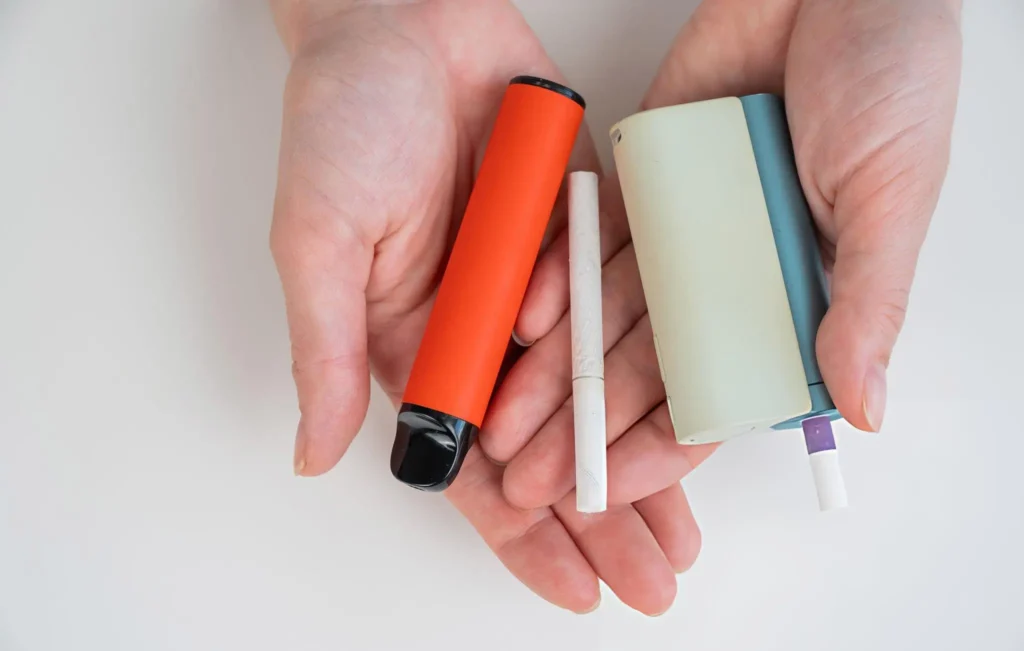
Many non-urgent smoking cessation and vaping concerns can be assessed through telehealth. An Australian-registered doctor can review your nicotine use, cravings, withdrawal symptoms, previous quit attempts and relevant health conditions, then discuss a personalised quit plan, behavioural support, nicotine replacement therapy (NRT), other clinically appropriate management options or follow-up. Further medical assessment may be recommended depending on your circumstances.
Speak with an Australian-registered doctor.
Phone or video consultation.
Individual clinical assessment.
Testing may be recommended.
In-person care when needed.
Nicotine is an addictive substance found in tobacco and many vaping products. When nicotine use is reduced or stopped, physical withdrawal symptoms and established habits can make quitting challenging.
Repeated urges to smoke or vape may occur throughout the day, particularly during familiar routines or situations associated with nicotine use.
Nicotine withdrawal can cause frustration, irritability, anxiety or temporary changes in mood as the body adjusts to reduced nicotine.
Some people experience disrupted sleep, difficulty falling asleep, or changes in their usual sleeping patterns after stopping nicotine.
Restlessness, reduced concentration or feeling distracted can occur during the early stages of quitting smoking or vaping.
Changes in appetite and eating habits are common after stopping nicotine. Some people may also notice temporary weight changes.
Activities such as drinking coffee, driving, socialising or taking work breaks may trigger cravings because they have become associated with smoking or vaping.
Choose an available TelehealthDr phone or video consultation and provide information about your smoking or vaping habits and previous quit attempts.
Discuss your nicotine dependence, cravings, withdrawal symptoms, medical history, current medicines and personal quitting goals.
Your doctor may discuss a quit plan, behavioural support, suitable medical management or follow-up. An electronic prescription may be provided if clinically appropriate, but a prescription is not guaranteed.
Understanding nicotine dependence involves more than counting cigarettes or how often you vape. Your doctor may consider your nicotine use, previous quitting experiences, health conditions and factors that could influence treatment suitability.
Be prepared to discuss:
Providing this information helps the doctor understand your circumstances and discuss suitable approaches to managing nicotine dependence, withdrawal and ongoing quitting support.
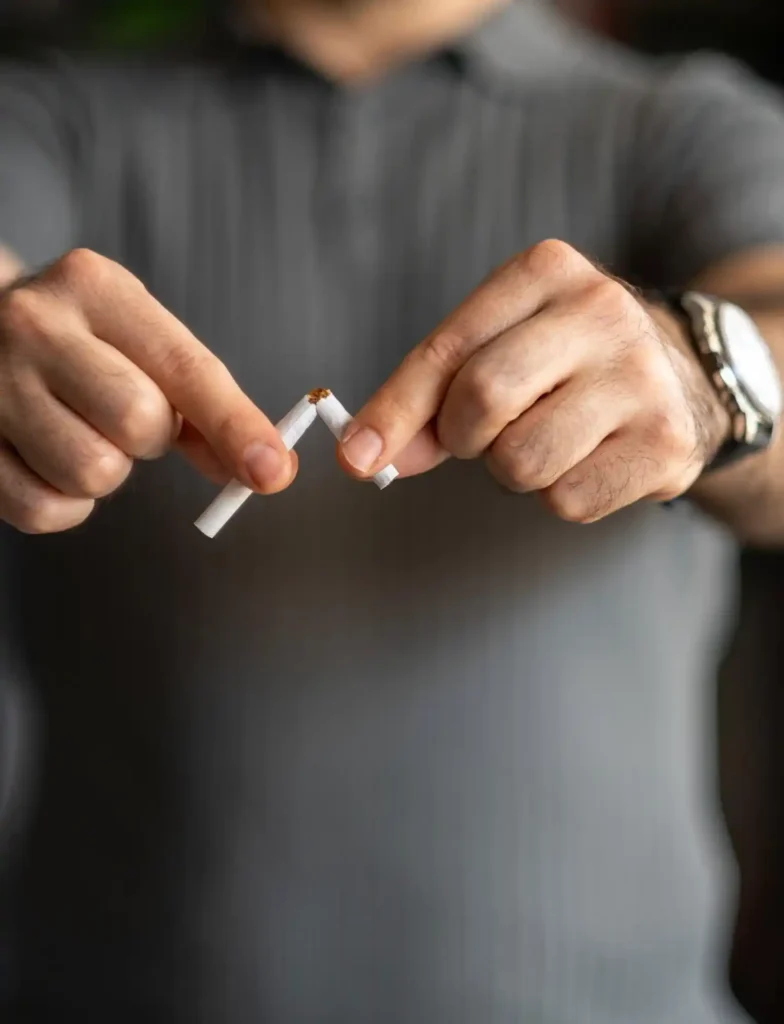
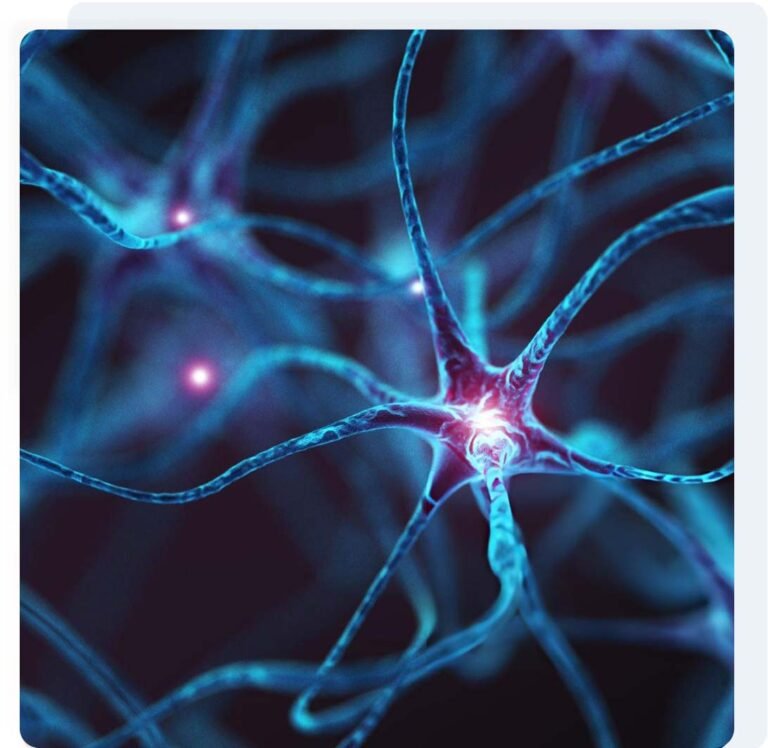
Nicotine affects the brain's reward pathways, creating physical dependence and reinforcing repeated use. When nicotine intake falls, cravings, irritability and difficulty concentrating can occur. Smoking and vaping may also become linked with stress, social situations and everyday routines. A quit plan can help address these triggers through preparation, behavioural strategies and practical ways to manage cravings.
Quitting support may combine behavioural counselling, nicotine replacement therapy (NRT) and other appropriate management options. Nicotine patches provide a steadier nicotine supply, while gum, lozenges or mouth sprays can help manage sudden cravings. A nicotine prescription is not required for most over-the-counter NRT, although some PBS-subsidised NRT requires a prescription; other treatments have separate prescribing requirements. Your doctor can discuss relevant options, treatment suitability and whether ongoing support or follow-up is needed.
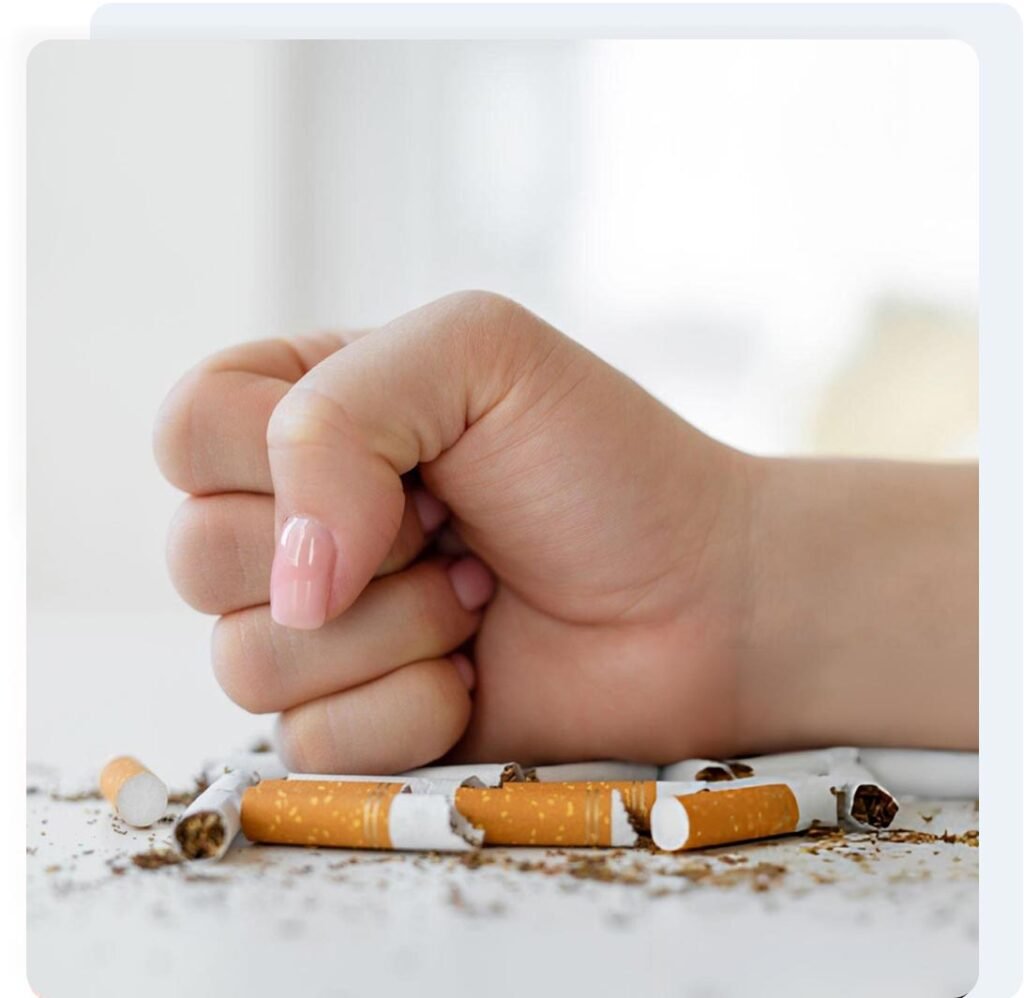
Cigarette smoking exposes the body to nicotine and harmful substances produced by burning tobacco. Treatment may focus on managing nicotine withdrawal, identifying smoking triggers and developing a practical quit plan. Depending on your circumstances, support may include behavioural counselling, nicotine replacement therapy and other clinically appropriate treatment options.
Nicotine vaping can also cause dependence, cravings and withdrawal, although patterns of use may differ from cigarette smoking. People who vape frequently or use both cigarettes and vapes may need an individual approach that addresses their nicotine intake and daily habits. A doctor can discuss appropriate withdrawal support, quitting strategies and steps towards becoming nicotine-free.
Nicotine withdrawal is usually temporary, but symptoms can sometimes affect mood, sleep and everyday functioning. Persistent low mood, significant anxiety, worsening mental health symptoms or difficulty managing withdrawal should be discussed with a healthcare professional.
Serious symptoms such as severe chest pain, difficulty breathing, seizures or collapse are not normal nicotine withdrawal symptoms and require urgent assessment. Nicotine-containing products can also cause poisoning if swallowed or used incorrectly, particularly in children. Seek immediate advice if nicotine poisoning is suspected.
TelehealthDr is not an emergency service.
Call Triple Zero (000) for severe chest pain, serious breathing difficulty, seizures, collapse or immediate danger. For suspected nicotine poisoning without life-threatening symptoms, contact the Poisons Information Centre on 13 11 26.
Speak with Australian-registered doctors for your healthcare needs.
Access consultations from home, work or wherever suits you.
Your health information is handled securely during consultations.
Get medical support without travelling to a clinic.

Yes. Many non-urgent smoking cessation and vaping concerns can be assessed through telehealth. A doctor can review your nicotine dependence, withdrawal symptoms, medical history and previous quit attempts before discussing suitable quitting support.
An online doctor can assess your smoking history, discuss nicotine cravings and help you explore appropriate quitting strategies. Depending on your needs, this may include behavioural support, treatment discussions and follow-up.
Not always. Many nicotine replacement products, including patches, gum and lozenges, are available without a prescription. Some NRT products can be accessed at PBS-subsidised prices with an appropriate prescription. Other treatments have different requirements, and prescribing decisions depend on an individual clinical assessment.
Yes. An Australian-registered doctor can review your medical history, current medicines and nicotine dependence before discussing clinically appropriate treatment options. If prescribing is appropriate, an electronic prescription may be issued. A consultation does not guarantee a prescription or particular medicine.
No. You do not need a prescription simply to stop vaping or seek medical advice about nicotine withdrawal. A doctor can discuss quitting strategies and appropriate support. Therapeutic vaping goods are regulated separately in Australia, with requirements that depend on the product and individual circumstances.
Nicotine replacement therapy, or NRT, provides controlled amounts of nicotine without tobacco smoke to help manage cravings and withdrawal. Common options include patches, gum, lozenges and mouth sprays. Combining a patch with a faster-acting form may be suitable for some people.
Withdrawal symptoms often begin within hours of stopping nicotine and are commonly strongest during the first week. Many symptoms improve over approximately two to four weeks, although cravings and habit-related triggers may continue for longer.
If you use both cigarettes and vaping products, a doctor can help you assess your nicotine dependence and plan an approach to stopping both. The most suitable strategy depends on your level of use, previous attempts and individual circumstances.
Returning to smoking or vaping can happen during a quit attempt. Reviewing what triggered the setback, adjusting your quit plan and seeking additional support may help you prepare for another attempt.
No. Since 24 July 2026, nicotine pouches cannot lawfully be prescribed or supplied to consumers in Australia. Other evidence-based smoking cessation options remain available for discussion with a healthcare professional.
If nicotine withdrawal symptoms or another health condition affect your ability to work, a doctor can assess whether a medical certificate is clinically appropriate during your consultation. Quitting smoking or vaping does not automatically qualify someone for a medical certificate.
The Australian Quitline on 13 7848 offers free counselling and practical support for quitting smoking or vaping. You can also speak with a doctor or pharmacist about withdrawal management, quitting strategies and ongoing support.

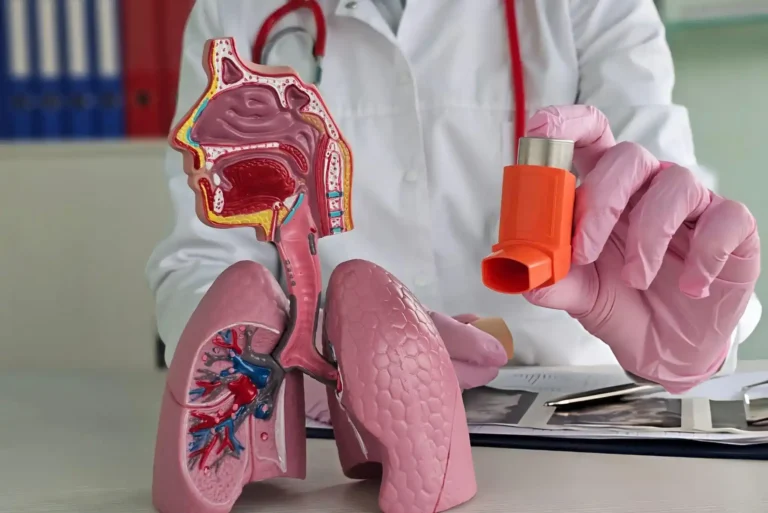








If you want support with nicotine cravings, withdrawal symptoms, previous quit attempts or developing a practical quit plan, book a phone or video consultation with an Australian-registered doctor through TelehealthDr.
Phone or video consultation · Australian-registered doctors · Not an emergency service