Type 1 Diabetes
Type 1 diabetes is an autoimmune condition in which the pancreas produces little or no insulin. People with Type 1 diabetes require insulin to manage blood glucose.

If you need support with diabetes management, recent blood glucose readings or treatment reviews, Diabetes Treatment Online through TelehealthDr allows you to speak with an Australian-registered doctor by phone or video. Your doctor can review your symptoms, HbA1c or blood glucose results, current medicines, medical history and other health factors, then discuss appropriate monitoring, treatment or further care based on your circumstances.
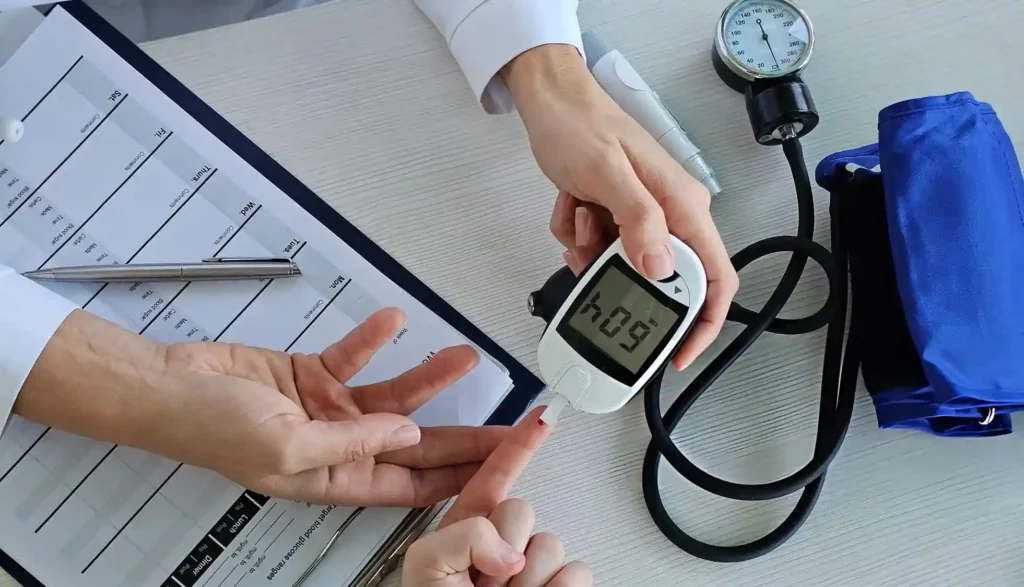
Many non-urgent aspects of diabetes care can be reviewed through telehealth, particularly for people with an established diagnosis who need treatment, medicine or test-result reviews. A doctor can also discuss possible diabetes symptoms and arrange pathology where appropriate. However, ongoing diabetes care may still require blood tests, physical examinations, eye and foot checks or regular follow-up with your GP or diabetes healthcare team.
Speak with an Australian-registered doctor.
Phone or video consultation.
Individual clinical assessment.
Testing may be recommended.
In-person care when needed.
Diabetes affects how the body regulates blood glucose levels. The type of diabetes and the level of blood glucose can influence symptoms, treatment and ongoing monitoring.
Type 1 diabetes is an autoimmune condition in which the pancreas produces little or no insulin. People with Type 1 diabetes require insulin to manage blood glucose.
Type 2 diabetes develops when the body becomes resistant to insulin or does not produce enough insulin to keep blood glucose within an appropriate range.
Gestational diabetes develops during pregnancy and requires specific monitoring and coordinated care with the person's maternity and diabetes healthcare team.
High blood glucose can cause unusual thirst and more frequent urination as the body tries to remove excess glucose through the urine.
Some people experience fatigue, weakness or unexplained weight loss, particularly when blood glucose remains high, or diabetes is undiagnosed.
Changes in blood glucose may affect vision, while persistently high glucose can also occur alongside slow-healing wounds or recurring skin, urinary or fungal infections.
Choose an available TelehealthDr phone or video consultation and have recent blood glucose, HbA1c or medication information available where possible.
Discuss your diabetes history, symptoms, current treatment, blood glucose control, medicines and other relevant health conditions.
Your doctor may discuss ongoing management, medicine where clinically appropriate, pathology, lifestyle measures or further care. A consultation does not guarantee a particular medicine or prescription.
Diabetes management involves more than looking at one blood glucose result. Your doctor may review your current control, treatment history and other factors that can influence diabetes and long-term health.
Be prepared to discuss:
Providing this information helps the doctor understand your current diabetes management and whether telehealth, pathology or further face-to-face assessment is appropriate.
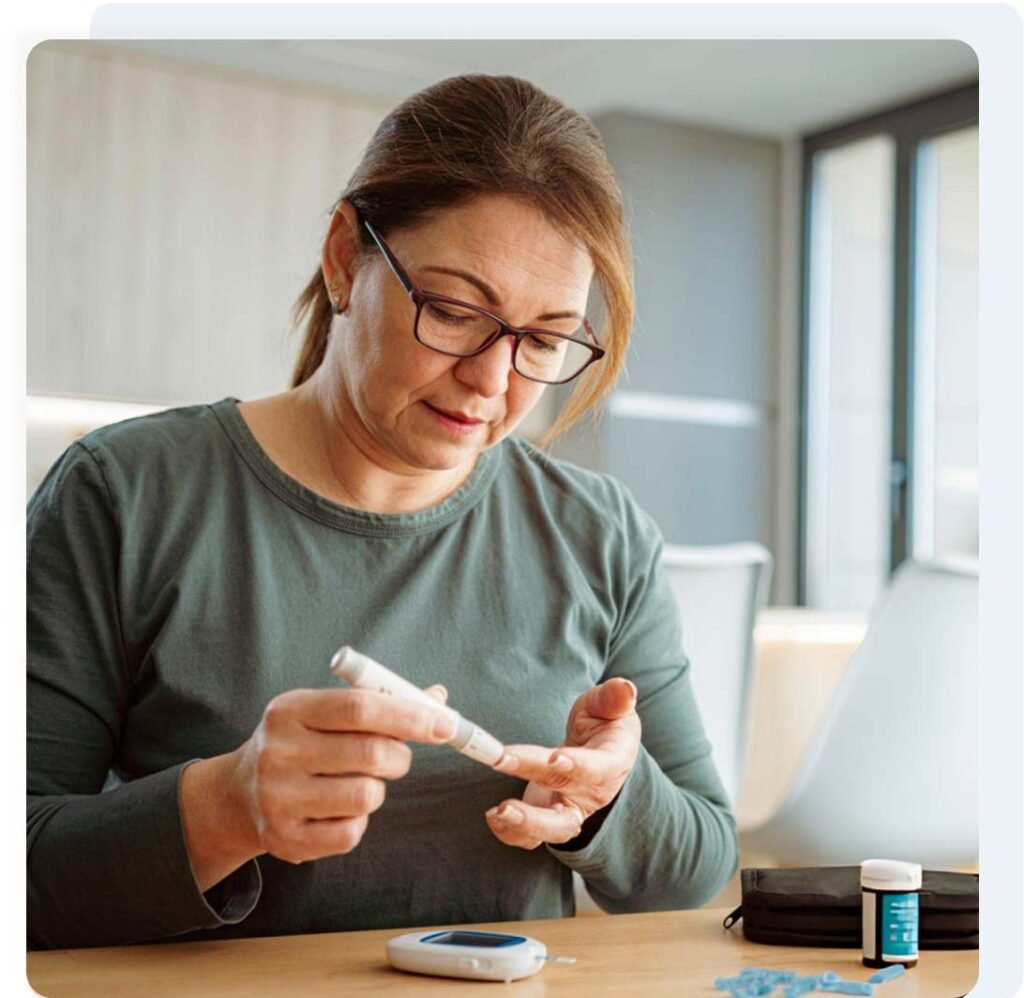
Type 2 diabetes risk can be influenced by factors such as family history, increasing age, overweight or obesity, physical inactivity, high blood pressure and a previous history of gestational diabetes. Healthy eating, regular activity, weight management where appropriate and avoiding smoking can help reduce Type 2 diabetes risk and support ongoing management. Type 1 diabetes is different and is not caused by lifestyle factors.
Diabetes care also involves monitoring more than blood glucose alone. Depending on your circumstances, regular reviews may include HbA1c, blood pressure, cholesterol, kidney function, eye health, foot health and cardiovascular risk. Good ongoing management can help reduce the risk of complications affecting the heart, blood vessels, kidneys, nerves, eyes and feet.
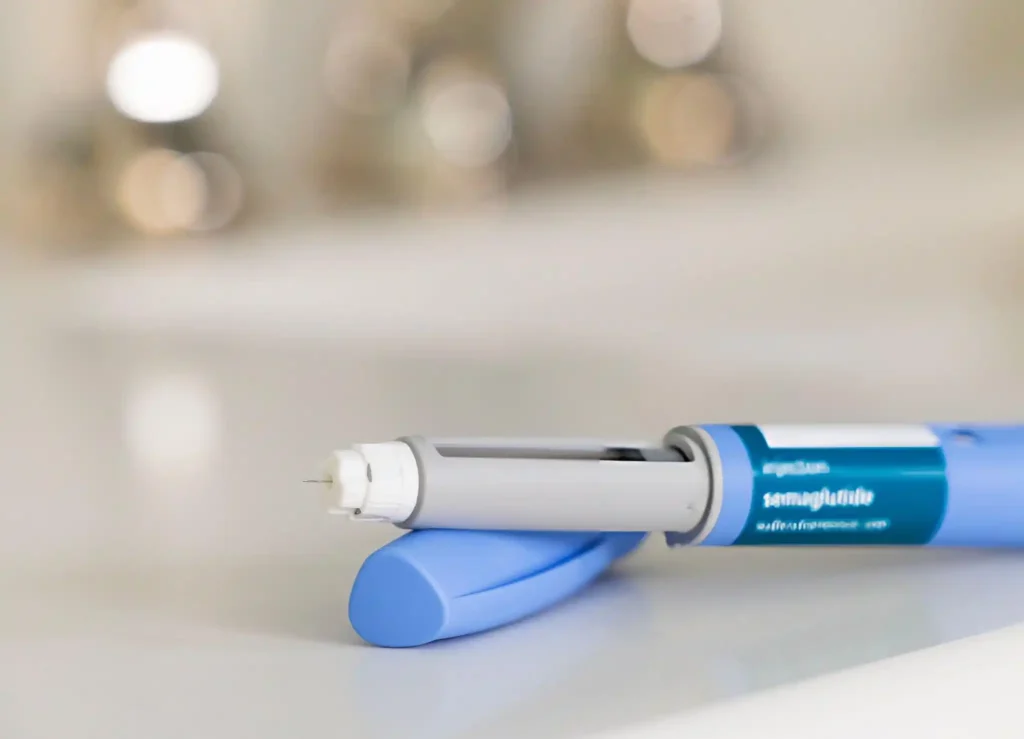
If you already have diabetes, telehealth may help with non-urgent reviews of blood glucose or HbA1c results, medicines, treatment concerns and ongoing management. Your doctor may also advise whether pathology, physical checks or regular GP follow-up are needed.
If you have symptoms that could suggest diabetes but have not been diagnosed, symptoms alone are not enough to confirm the condition. A doctor may arrange appropriate blood testing and recommend further assessment or ongoing GP care depending on the results.
Severely high or low blood glucose can sometimes become a medical emergency. Diabetic ketoacidosis (DKA) is a serious complication that occurs most often in people with Type 1 diabetes, while severe hypoglycaemia can lead to confusion, seizures or unconsciousness.
Urgent symptoms can include persistent vomiting, abdominal pain, rapid or difficult breathing, severe dehydration, increasing drowsiness, confusion, seizures, unconsciousness or being unable to keep fluids down.
TelehealthDr is not an emergency service.
Call Triple Zero (000) for severe symptoms, loss of consciousness, seizures, severe confusion or signs of diabetic ketoacidosis.
Speak with Australian-registered doctors for your healthcare needs.
Access consultations from home, work or wherever suits you.
Your health information is handled securely during consultations.
Get medical support without travelling to a clinic.
Many non-urgent aspects of established diabetes can be reviewed through telehealth. Your doctor can assess your results, medicines, symptoms and medical history before discussing appropriate next steps.
A doctor may prescribe diabetes medicine after an individual clinical assessment where clinically appropriate. A consultation does not guarantee a particular prescription, medicine or dose.
Telehealth can help assess symptoms and arrange appropriate testing, but diabetes usually requires laboratory blood tests before a diagnosis is confirmed.
HbA1c is a blood test used to help diagnose Type 2 diabetes and monitor blood glucose control in people with diabetes. It reflects average blood glucose over approximately the previous 8 to 12 weeks.
Telehealth can form part of ongoing diabetes care. Still, comprehensive management may also require pathology, eye checks, foot assessments, physical examinations and regular care with your GP or diabetes healthcare team.












If you have non-urgent concerns about diabetes, recent blood glucose or HbA1c results, current medicines or ongoing treatment, book a phone or video consultation with an Australian-registered doctor through TelehealthDr.
Phone or video consultation · Australian-registered doctors · Not an emergency service