LDL Cholesterol
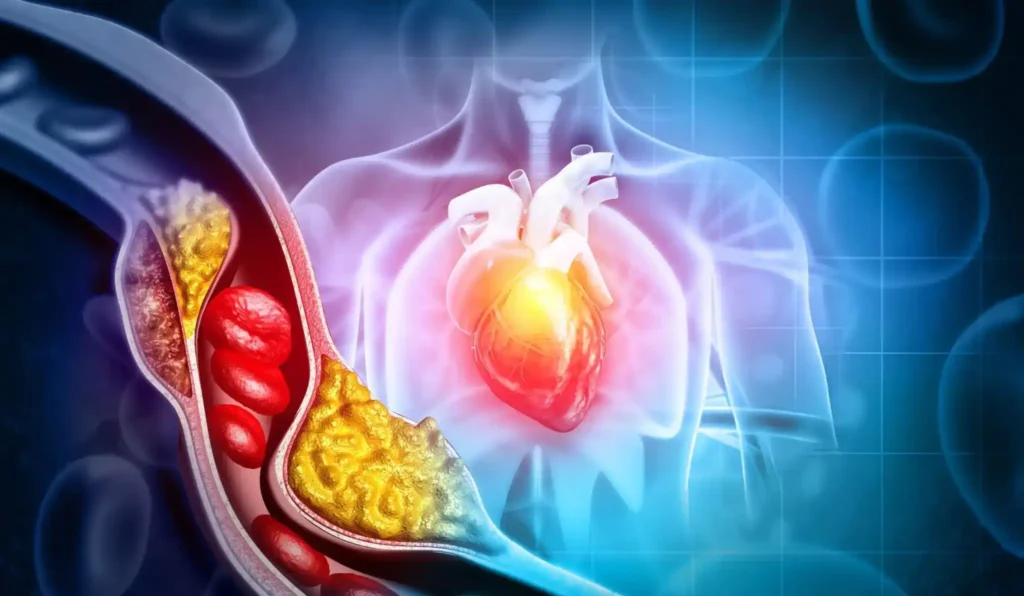
Low-density lipoprotein (LDL) is often called “bad” cholesterol because higher levels can contribute to cholesterol building up in artery walls.

If you have high cholesterol, recent lipid test results or need support with ongoing cholesterol management, Cholesterol Treatment Online through TelehealthDr allows you to speak with an Australian-registered doctor by phone or video. Your doctor can review your LDL, HDL and triglyceride levels, current medicines, medical history and cardiovascular risk factors, then discuss appropriate monitoring, treatment or further testing based on your circumstances.
Many non-urgent cholesterol concerns can be reviewed via telehealth, particularly if you already have recent lipid results or an established treatment plan. Your doctor can assess your cholesterol levels, medications, lifestyle and overall cardiovascular risk, then discuss lifestyle measures, treatment where clinically appropriate, repeat pathology, or whether further GP or specialist assessment is needed.
Speak with an Australian-registered doctor.
Phone or video consultation.
Individual clinical assessment.
Testing may be recommended.
In-person care when needed.
Cholesterol is a fat-like substance needed for normal cell and hormone function, but unhealthy levels of certain blood lipids can increase cardiovascular risk. A lipid profile helps assess several important cholesterol and fat measurements.
Low-density lipoprotein (LDL) is often called “bad” cholesterol because higher levels can contribute to cholesterol building up in artery walls.
High-density lipoprotein (HDL) helps carry cholesterol away from the arteries and back to the liver for processing and removal.
Triglycerides are another type of fat in the blood. High levels can contribute to cardiovascular risk, particularly alongside other abnormal lipid results.
Total cholesterol measures the overall amount of cholesterol circulating in your blood and forms part of a standard lipid profile.
Non-HDL cholesterol represents cholesterol carried by potentially harmful lipoproteins and can provide additional information about cardiovascular risk.
Persistently high LDL cholesterol can contribute to plaque forming inside artery walls. Over time, this can lead to atherosclerosis, increasing the risk of heart attack, stroke and other cardiovascular disease.
Choose an available TelehealthDr phone or video consultation and have any recent lipid results and current medicine information available where possible.
Discuss your cholesterol results, medical history, current treatment, family history, lifestyle and other cardiovascular risk factors.
Your doctor may discuss lifestyle measures, medicine where clinically appropriate, repeat pathology or further assessment. A consultation does not guarantee a particular medicine or prescription.
Cholesterol management involves more than reviewing your LDL result. Your doctor may consider your complete lipid profile together with other factors that influence your risk of heart and vascular disease.
Be prepared to discuss:
Providing this information helps your doctor interpret your cholesterol results within your broader cardiovascular risk and decide whether further testing or treatment review is appropriate.
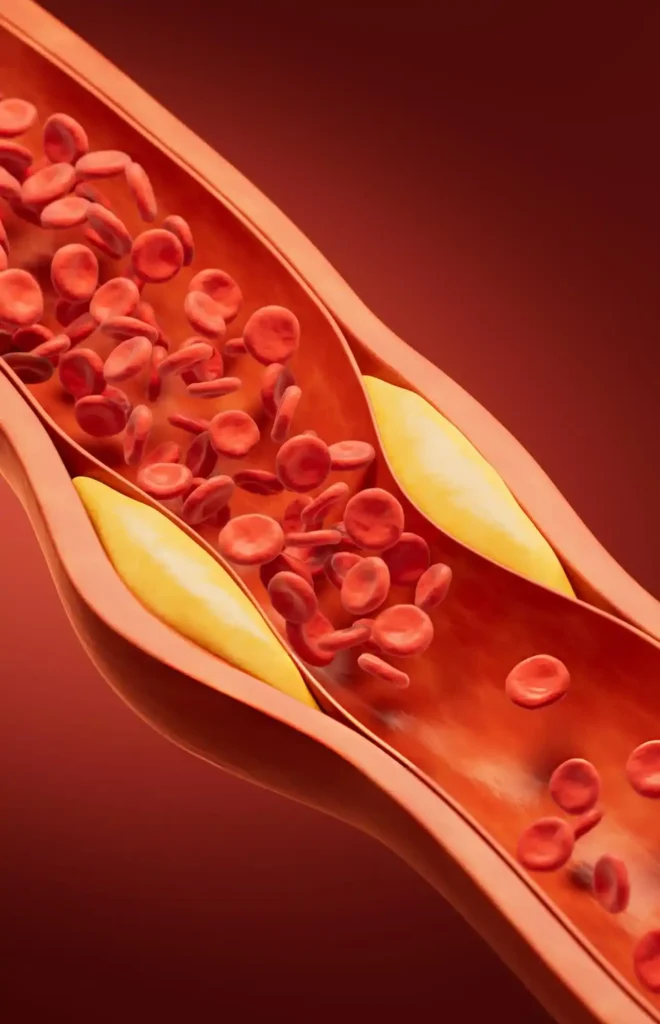
High cholesterol can be influenced by a combination of lifestyle, medical and genetic factors. Risk factors include increasing age, diets high in saturated or trans fats, physical inactivity, smoking, higher alcohol intake, overweight or obesity, diabetes, kidney disease and some medicines. Your overall cardiovascular risk also depends on factors such as blood pressure and existing heart or vascular disease.
Some people have familial hypercholesterolaemia, an inherited condition that can cause very high LDL cholesterol from an earlier age. A strong family history of high cholesterol or premature heart disease is therefore important to discuss with your doctor. Blood testing and ongoing medical review can help determine whether additional investigation or treatment is needed.
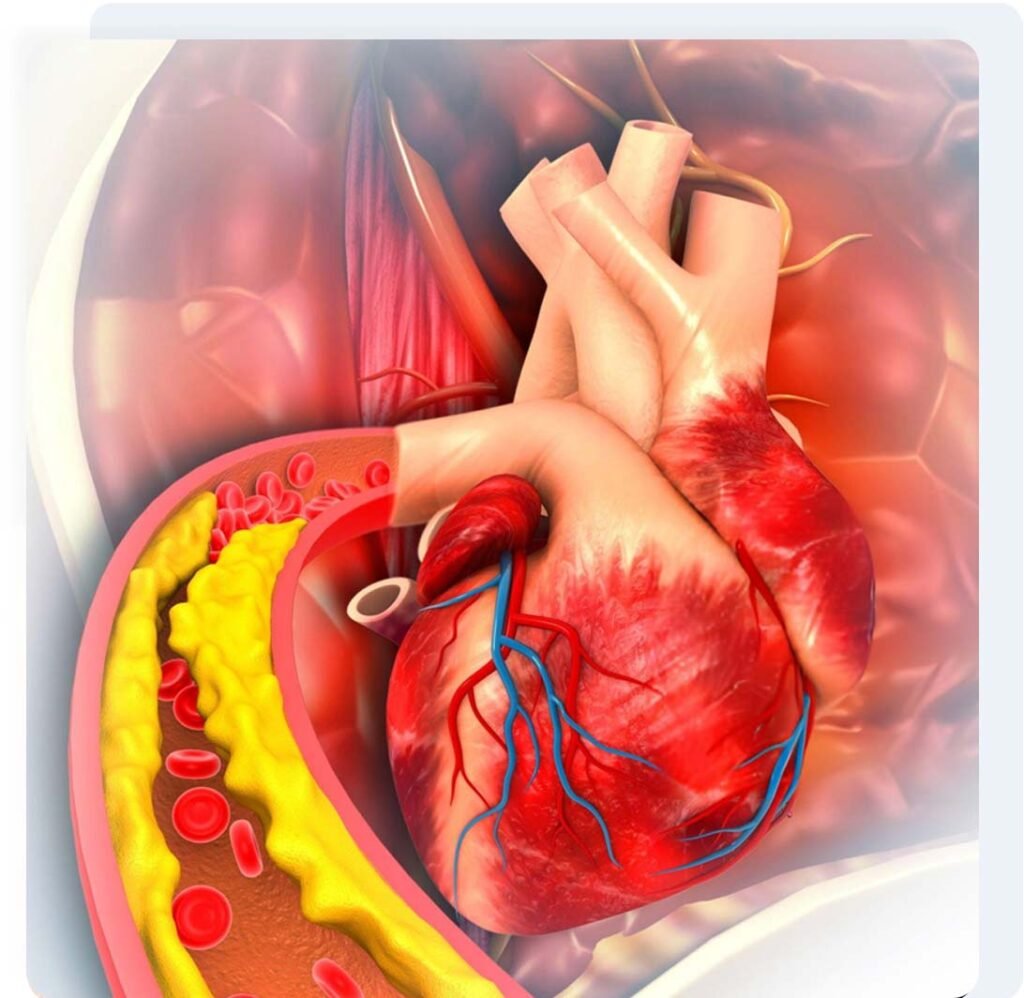
Heart-healthy eating, regular physical activity, maintaining a healthy weight, stopping smoking and limiting alcohol can help improve cholesterol levels and reduce cardiovascular risk. Reducing saturated and trans fats while choosing unsaturated fats, fibre-rich foods and other heart-healthy foods may form part of your management plan.
Some people also need medicine to lower cholesterol and cardiovascular risk. Statins are commonly used to reduce LDL cholesterol, while other cholesterol-lowering medicines may be considered when clinically appropriate. The most suitable treatment depends on your lipid results, medical history, treatment response and overall cardiovascular risk.
High cholesterol itself usually does not cause sudden symptoms or require emergency treatment. However, over time, atherosclerosis can increase the risk of serious cardiovascular events such as heart attack and stroke.
Urgent symptoms can include severe chest pain, significant shortness of breath, sudden weakness or numbness, facial drooping, difficulty speaking, sudden vision changes or collapse.
TelehealthDr is not an emergency service.
Call Triple Zero (000) immediately if you have symptoms of a heart attack or stroke.
Speak with Australian-registered doctors for your healthcare needs.
Access consultations from home, work or wherever suits you.
Your health information is handled securely during consultations.
Get medical support without travelling to a clinic.

Many non-urgent cholesterol concerns can be reviewed through telehealth. Your doctor can assess your lipid results, medical history, current medicines and cardiovascular risk before discussing suitable next steps.
A doctor may prescribe cholesterol-lowering medicine following an individual clinical assessment when clinically appropriate. A consultation does not guarantee a particular prescription or medicine.
High cholesterol is usually identified through a blood test rather than symptoms. A lipid profile commonly measures total cholesterol, LDL cholesterol, HDL cholesterol and triglycerides.
Not always. Both fasting and non-fasting lipid tests can be suitable, and your doctor or pathology provider will tell you if fasting is required for your particular test.
Monitoring may be recommended after starting or changing cholesterol treatment and as part of ongoing cardiovascular care. The frequency depends on your results, treatment and other health conditions.
Familial hypercholesterolaemia is an inherited condition that causes high cholesterol, particularly LDL cholesterol, and can increase cardiovascular risk from an earlier age.
Lifestyle changes can improve cholesterol levels and reduce cardiovascular risk. Some people may manage their cholesterol with lifestyle measures, while others also require cholesterol-lowering medicine.
Do not stop or change prescribed cholesterol medicine without discussing it with your doctor. Improved results may indicate that your current treatment is working.



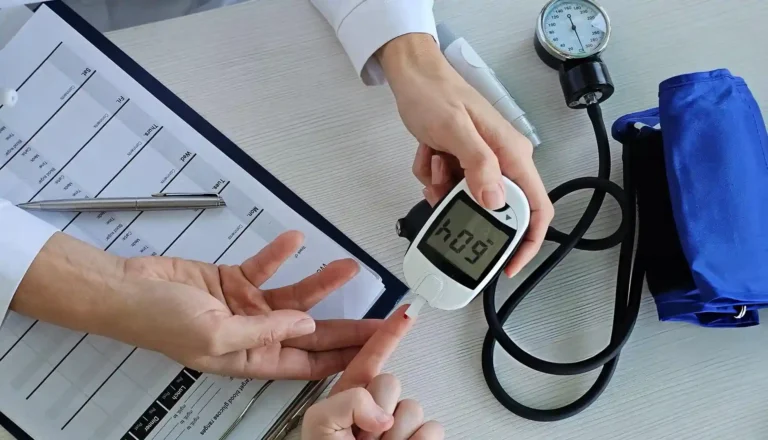




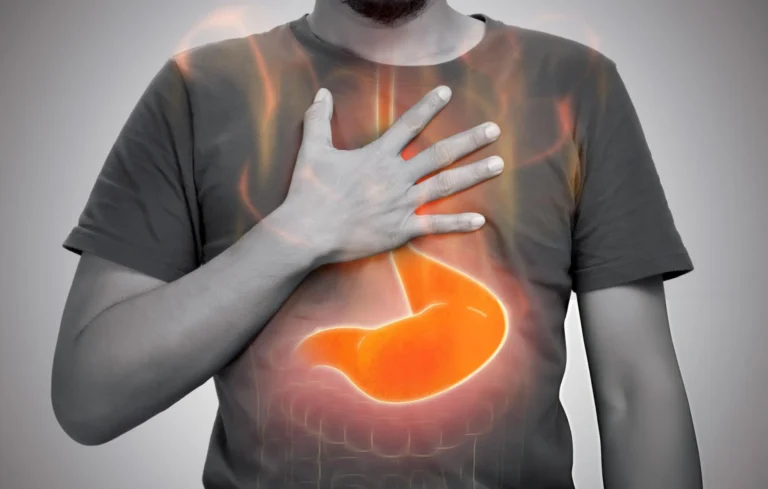

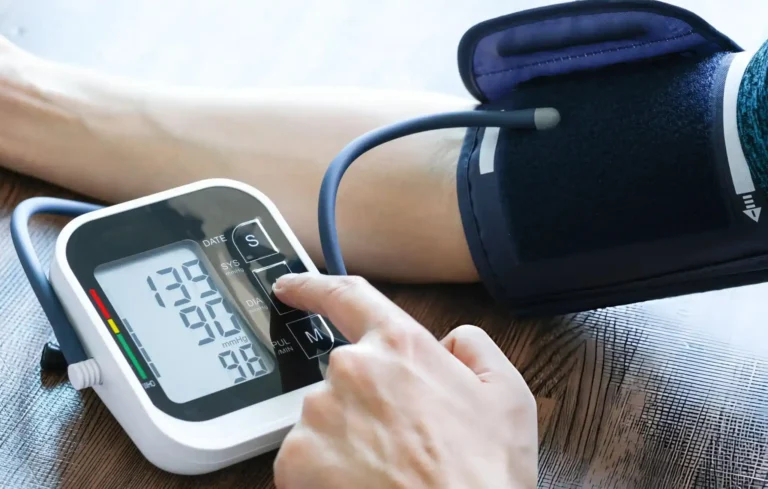







If you have non-urgent concerns about high cholesterol, recent lipid results or your current treatment, book a phone or video consultation with an Australian-registered doctor through TelehealthDr.
Phone or video consultation · Australian-registered doctors · Not an emergency service