Shortness of Breath
Breathlessness, also called dyspnoea, is a common COPD symptom. It may initially occur while walking uphill or climbing stairs and become more noticeable during everyday activities as the condition progresses.

Living with COPD can make everyday activities more difficult, especially when breathlessness, coughing or tiredness become persistent. If your condition is stable, TelehealthDr offers COPD treatment consultations with Australian-registered doctors by phone or video. Your doctor can review your symptoms, inhalers and previous flare-ups, then discuss appropriate management, monitoring or further care.
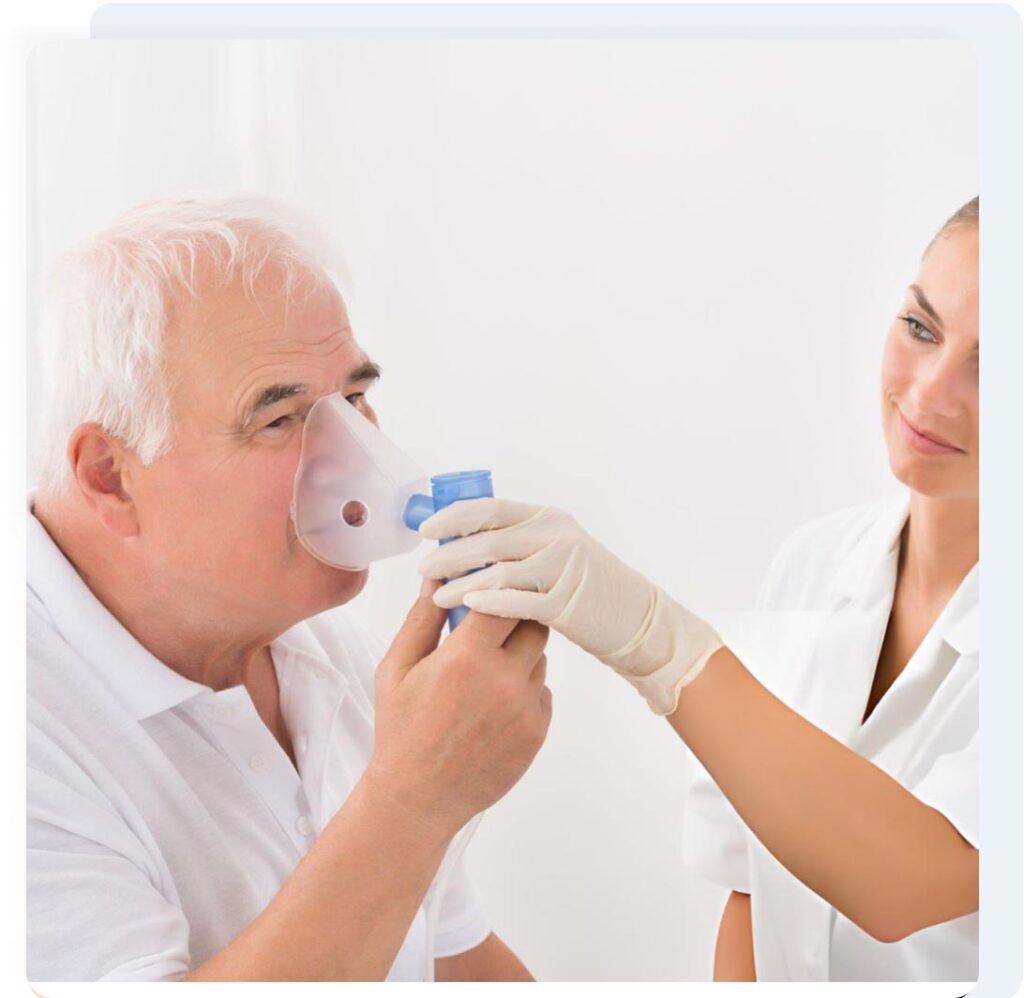
Yes. Some aspects of chronic obstructive pulmonary disease (COPD) can be managed through telehealth, particularly if you have an established diagnosis and need a routine treatment review. A doctor can assess your current symptoms, inhaler use, previous exacerbations and medical history, then discuss ongoing management or whether further testing is needed.
However, a new COPD diagnosis requires lung function testing, and worsening breathing symptoms may need an in-person examination or urgent hospital assessment.
Speak with an Australian-registered doctor.
Phone or video consultation.
Individual clinical assessment.
Testing may be recommended.
In-person care when needed.
Chronic obstructive pulmonary disease (COPD) is a long-term lung condition that restricts airflow and makes breathing more difficult. It commonly involves emphysema, chronic bronchitis or a combination of both. Symptoms often develop gradually and may become more noticeable during physical activity.
Breathlessness, also called dyspnoea, is a common COPD symptom. It may initially occur while walking uphill or climbing stairs and become more noticeable during everyday activities as the condition progresses.
A long-lasting cough that occurs on most days may be an early sign of COPD. Some people experience a dry cough, while others regularly bring up mucus.
COPD can cause excess mucus, also known as sputum or phlegm, in the airways. Changes in the amount, thickness or colour of sputum may be important when assessing a possible flare-up.
Some people notice a whistling sound when breathing or a feeling of tightness in the chest. These symptoms can occur when the airways become narrowed or irritated.
Repeated respiratory infections or symptoms that take longer than usual to settle may occur in people with COPD. Infections can also trigger a sudden worsening of breathing symptoms.
Breathing difficulties can make physical activities more tiring. As symptoms progress, some people find it harder to walk longer distances, complete household tasks or maintain their usual exercise routine.
Choose an available TelehealthDr phone or video appointment and have details of your current COPD treatment and recent symptoms ready.
Discuss your breathing symptoms, previous flare-ups, inhaler use, medical history and any concerns about ongoing management.
Your doctor may discuss treatment, arrange further investigations or recommend follow-up or specialist care. An eScript may be issued where clinically appropriate, but prescribing is not guaranteed.
A COPD review looks at how well your symptoms are controlled and whether your current treatment remains suitable. Your doctor may also assess the risk of future flare-ups and consider other health conditions that could affect your breathing.
You may be asked about:
Providing recent lung function results, medicine details or a COPD action plan may help your doctor assess whether your treatment needs review.
Spirometry measures how much air you can breathe out and how quickly you can exhale. It is essential for confirming COPD and assessing airflow limitations.
Australian COPD-X guidelines generally use a post-bronchodilator FEV1/FVC ratio below 0.70 to identify persistent airflow obstruction, interpreted alongside your symptoms and clinical history.
Spirometry cannot be performed during a standard phone or video consultation. If you have not been formally diagnosed, your doctor may recommend an in-person appointment for lung function testing.
The main cause of COPD in Australia is long-term exposure to tobacco smoke, although the condition can also affect people who have never smoked. Workplace dust, chemical fumes, air pollution and smoke from other sources may contribute. A rare inherited condition called alpha-1 antitrypsin deficiency can also increase the risk of emphysema, particularly in younger people.
COPD flare-ups can be triggered by viral or bacterial respiratory infections, smoke, air pollution and other airway irritants. Stopping smoking, reducing avoidable exposure, maintaining physical activity and keeping recommended vaccinations up to date are important parts of COPD management. A written action plan can also help you recognise changes that need medical attention.
Stable COPD treatment aims to reduce breathlessness, maintain activity levels and lower the risk of future exacerbations. Depending on your symptoms, management may involve short-acting or long-acting bronchodilator inhalers, with additional inhaled treatment considered for selected patients. Pulmonary rehabilitation, smoking cessation, regular exercise, vaccination and correct inhaler technique are also important. Your treatment plan should be reviewed as symptoms and health needs change.
A COPD exacerbation is a sudden worsening of usual symptoms, such as increased breathlessness, coughing or sputum production. Management depends on severity and may involve additional inhaled treatment, a short course of oral corticosteroids or antibiotics when there are clinical signs of infection. Not every flare-up requires antibiotics. A doctor must assess whether treatment at home is safe, while severe symptoms require urgent in-person or hospital care.
COPD symptoms can change gradually, but a sudden increase in breathlessness, coughing or sputum may indicate an exacerbation. Arrange prompt medical assessment if you notice a significant change from your usual breathing, develop a fever or find that your prescribed treatment is not providing its usual relief.
A severe exacerbation can lead to dangerously low oxygen levels or respiratory failure. Warning signs include breathlessness at rest that is severe or rapidly worsening, difficulty speaking, blue or grey lips, new confusion, extreme drowsiness or an inability to carry out basic activities because of breathing difficulties.
If you have a written COPD action plan, follow its instructions while arranging appropriate medical care. Do not delay emergency help to book a telehealth appointment.
TelehealthDr is not an emergency service.
Call Triple Zero (000) immediately for severe breathing difficulty, blue or grey lips, collapse, new confusion or other life-threatening symptoms.
Speak with Australian-registered doctors for your healthcare needs.
Access consultations from home, work or wherever suits you.
Your health information is handled securely during consultations.
Get medical support without travelling to a clinic.

Yes. Some non-urgent COPD concerns can be reviewed through telehealth, particularly if you have a confirmed diagnosis and need an ongoing treatment review. A doctor can assess your symptoms and medical history before discussing appropriate management or further testing.
There is no single treatment suitable for everyone. COPD management depends on symptoms, lung function, previous exacerbations and overall health. It commonly includes smoking cessation, inhaled medicines, pulmonary rehabilitation and appropriate vaccinations. Some people also require specialist treatment or additional support.
A doctor may consider an inhaler prescription or repeat script after an appropriate clinical assessment. They may review your existing diagnosis, inhaler use, previous test results and whether the treatment remains suitable. If approved, an electronic prescription or eScript may be issued. A consultation does not guarantee a prescription.
Both conditions affect the airways and can cause coughing, wheezing and breathlessness. COPD generally involves persistent airflow limitation associated with long-term lung damage, while asthma involves variable airflow obstruction and airway inflammation. Some people have both conditions, so spirometry and medical assessment are important for choosing treatment.
A doctor can review symptoms, smoking history and other risk factors through telehealth, but COPD must be confirmed with spirometry. Additional investigations may be needed to exclude asthma, heart disease or other causes of breathlessness.
Pulmonary rehabilitation is a structured program combining supervised exercise, education and practical strategies for managing COPD. It can help improve exercise capacity, breathlessness and quality of life. Programs are usually provided by appropriately trained respiratory healthcare professionals.
No. COPD exacerbations can occur for different reasons, including viral infections and environmental triggers. Antibiotics may be appropriate when a doctor suspects a bacterial infection, particularly if there are changes in sputum and other signs of infection. Treatment depends on the clinical assessment.
Not everyone with COPD needs oxygen or a nebuliser. Long-term oxygen therapy is generally reserved for people with confirmed low blood oxygen levels who meet specific medical criteria. Many inhaled medicines can be delivered effectively through an inhaler with the correct technique, sometimes using a spacer. Your doctor can assess whether specialist respiratory care is needed.
There is currently no cure for COPD, and existing lung damage cannot usually be reversed. However, appropriate treatment can reduce symptoms, improve everyday functioning and lower the risk of flare-ups. Stopping smoking is particularly important for slowing further lung damage.
COPD should be reviewed regularly, even when symptoms are stable. A review may include breathing symptoms, inhaler technique, current medicines, flare-up history, exercise tolerance and vaccination status. Your doctor may recommend more frequent reviews if symptoms worsen, treatment changes or you have recently experienced an exacerbation.

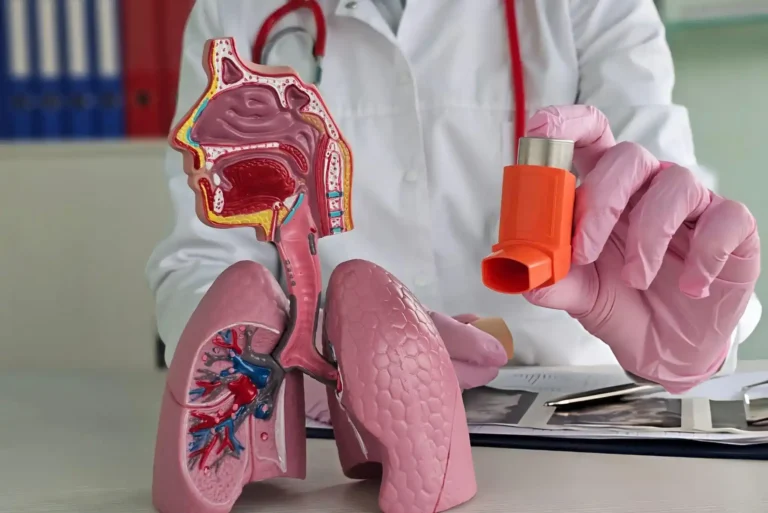










If you have an established COPD diagnosis and want advice about ongoing breathlessness, inhaler treatment or changes in your symptoms, book a TelehealthDr phone or video consultation. An Australian-registered doctor can review your concerns and discuss appropriate management, monitoring or further care.
Phone or video consultation · Australian-registered doctors · Not an emergency service