Raised, Scaly Skin Plaques
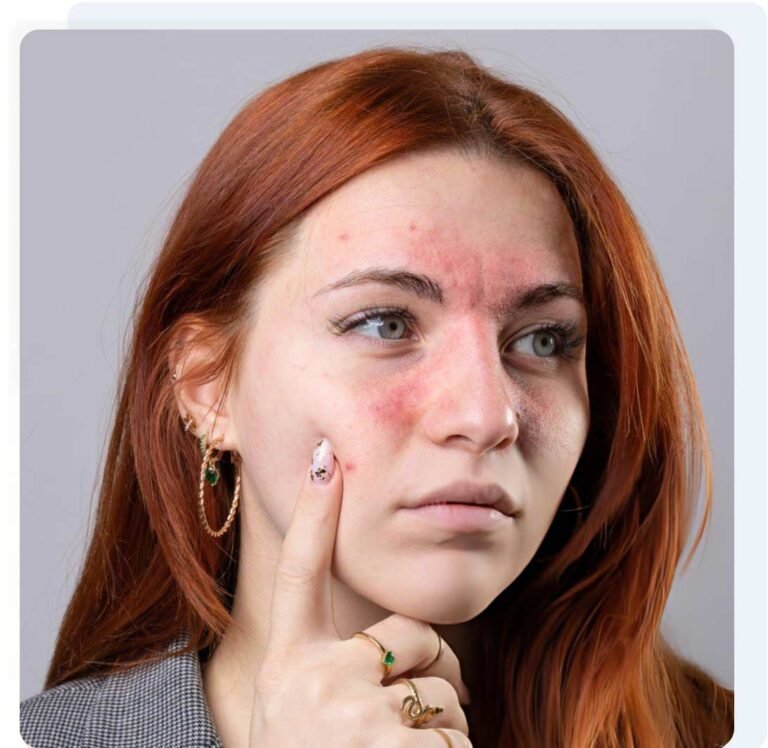
Plaque psoriasis commonly causes thick, raised patches with silvery-white scales, often affecting the elbows, knees, lower back or other areas.

If itchy, scaly patches, scalp irritation or recurring psoriasis flare-ups are affecting your skin, Psoriasis Treatment Online through TelehealthDr allows you to speak with an Australian-registered doctor by phone or video. Your doctor can review your symptoms, affected areas, previous treatments and medical history, then discuss appropriate management, treatment options or further assessment.
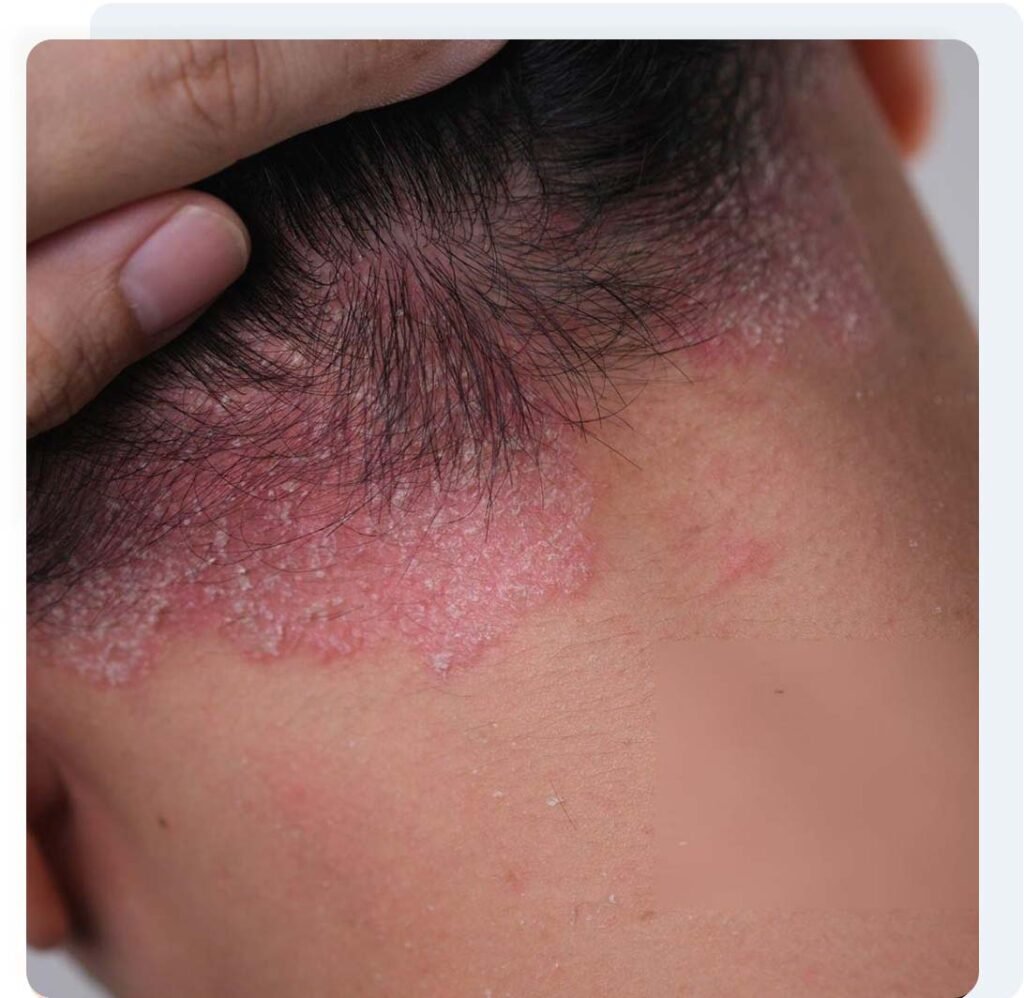
Many non-urgent psoriasis concerns can be assessed through telehealth, particularly if you have an established diagnosis or need an ongoing treatment review. A doctor can discuss your skin symptoms, affected areas, previous flare-ups and current medicines, then consider suitable topical treatment, skincare measures, an eScript where clinically appropriate or whether an in-person skin examination or dermatologist referral is needed.
Speak with an Australian-registered doctor.
Phone or video consultation.
Individual clinical assessment.
Testing may be recommended.
In-person care when needed.
Psoriasis is a chronic immune-mediated inflammatory condition that causes skin cells to build up more rapidly than normal. Symptoms vary by psoriasis type, affected area and severity, and may come and go in flare-ups.
Plaque psoriasis commonly causes thick, raised patches with silvery-white scales, often affecting the elbows, knees, lower back or other areas.
Scalp psoriasis may cause thick scales, itching and visible flaking along the scalp or hairline, sometimes extending behind the ears.
Psoriasis can affect fingernails and toenails, causing small pits, thickening, discolouration or separation of the nail from the nail bed.
Inverse or flexural psoriasis causes smooth, inflamed patches in areas such as the groin, armpits or under the breasts.
Guttate psoriasis causes numerous small, scaly spots, often on the trunk or limbs, and may develop after a throat infection.
Some people with psoriasis develop psoriatic arthritis, which can cause painful, swollen or stiff joints and may require specialist assessment.
Choose an available TelehealthDr phone or video consultation and provide information about your psoriasis symptoms and previous treatments.
Discuss your affected skin areas, flare-up history, current medicines, possible triggers and any related health concerns.
Your doctor may discuss skincare, suitable treatment, an eScript where clinically appropriate or further assessment. A consultation does not guarantee a particular medicine or prescription.
Psoriasis management involves understanding the type, location and severity of your symptoms. Your doctor may also review previous treatment results and whether psoriasis is affecting your daily activities or joints.
Be prepared to discuss:
Clear photographs of affected areas may also help the doctor understand your symptoms, although they cannot always replace a physical examination. If the diagnosis is uncertain, an in-person skin assessment or occasionally a skin biopsy may be recommended.
Psoriasis develops through a combination of genetic susceptibility and immune system activity that causes inflammation and accelerated skin cell production. The exact cause is not fully understood, but family history can increase the likelihood of developing the condition. Psoriasis is not caused by poor hygiene and cannot spread from person to person.
Common flare-up triggers include stress, infections, cold or dry weather, skin injuries, smoking and certain medicines. Excessive alcohol use and other health factors may also influence psoriasis severity. Identifying personal triggers, moisturising regularly and following an appropriate management plan may help reduce discomfort and support longer-term control.
Mild or localised psoriasis may be managed with moisturisers and suitable topical creams, ointments, lotions or scalp preparations. Depending on the affected area, treatment may include corticosteroids, vitamin D-based preparations or products that help soften thick scales. Treatment strength and duration require care, particularly on the face, genitals and skin folds.
More extensive, persistent or difficult-to-control psoriasis may require dermatologist assessment. Treatment options can include supervised ultraviolet B (UVB) phototherapy, oral medicines or injectable biologic therapies that target inflammation. These approaches require individual assessment, appropriate monitoring and specialist involvement where necessary, rather than routine telehealth prescribing alone.
Psoriasis usually develops as a long-term condition, but sudden or severe changes require medical assessment. Rapidly spreading plaques, painful or infected-looking skin, worsening symptoms despite treatment or new joint swelling should be reviewed rather than managed solely with routine skincare.
Rare forms such as generalised pustular psoriasis or erythrodermic psoriasis can cause widespread inflamed skin, extensive peeling, pustules, fever or significant illness. These conditions may require urgent hospital assessment because they can affect fluid balance, body temperature and general health.
Seek emergency medical care for widespread painful or peeling skin with fever, extensive pustules or serious illness. Call Triple Zero (000) for life-threatening symptoms.
Speak with Australian-registered doctors for your healthcare needs.
Access consultations from home, work or wherever suits you.
Your health information is handled securely during consultations.
Get medical support without travelling to a clinic.

Many non-urgent psoriasis concerns can initially be reviewed through telehealth. A doctor can assess your symptoms, previous treatments and medical history before discussing appropriate management or whether an in-person examination is needed.
A doctor may prescribe psoriasis treatment following an individual clinical assessment when appropriate. An electronic prescription or eScript may be provided if suitable. A consultation does not guarantee a particular cream, medicine or prescription.
There is no single treatment suitable for everyone. Mild psoriasis may respond to topical treatment, while more extensive or persistent disease may require phototherapy, systemic medicines or dermatologist-led care. The best approach depends on severity, affected areas and individual health factors.
Scalp psoriasis treatment may involve suitable medicated scalp lotions, creams, shampoos or preparations that soften thick scales. More persistent cases may require prescription treatment or dermatologist review. The appropriate product depends on symptom severity and scalp condition.
Topical creams and ointments are commonly used for mild to moderate plaque psoriasis. Depending on your circumstances, treatment may include moisturisers, corticosteroids or vitamin D-based preparations. Some products require a prescription and should be used according to medical advice.
Nail psoriasis may improve with appropriate treatment, but progress is often slow because nails take months to grow. A doctor may recommend assessment to distinguish psoriasis from fungal nail infections and discuss whether topical treatment or specialist care is needed.
Supervised UV phototherapy, particularly narrowband UVB, may help selected people with psoriasis by reducing skin inflammation and excessive skin cell growth. It is different from using tanning beds or unsupervised UV lamps, which can expose the skin to unnecessary risks.
Yes. Some people with psoriasis develop psoriatic arthritis, which can cause joint pain, stiffness and swelling. Persistent symptoms should be assessed because early diagnosis and appropriate treatment may help prevent long-term joint damage.
No. Both may cause itching and flaking, but scalp psoriasis usually involves thicker, more defined inflammatory plaques. Dandruff and seborrhoeic dermatitis have different underlying features and may require different treatment.
Yes. Psoriasis can affect the face, groin, genitals and other sensitive skin areas. Treatment needs additional care because some preparations suitable for thicker skin may cause irritation or adverse effects on delicate skin.
There is currently no permanent cure for psoriasis. However, appropriate treatment can help manage symptoms and reduce flare-ups, and some people experience long periods with little or no visible disease.
Not everyone needs specialist care. A GP may manage some mild or established psoriasis, while severe, persistent, difficult-to-treat or uncertain cases may require a dermatologist. Joint symptoms may also warrant rheumatologist assessment.
If a psoriasis flare-up significantly affects your ability to work or perform your normal duties, a doctor can assess whether a medical certificate is clinically appropriate during your consultation. A certificate is not automatically issued because you have psoriasis.










If you have recurring plaques, scalp psoriasis, itching or concerns about your current treatment, book a phone or video consultation with an Australian-registered doctor through TelehealthDr to discuss suitable management and next steps.
Phone or video consultation · Australian-registered doctors · Not an emergency service