Facial Flushing
Frequent flushing can cause sudden warmth and redness across the cheeks, nose or other facial areas, often after exposure to personal triggers.

If facial redness, flushing, sensitive skin or recurring rosacea flare-ups are affecting your day, Rosacea Treatment Online through TelehealthDr allows you to speak with an Australian-registered doctor by phone or video. Your doctor can review your symptoms, possible triggers, skincare routine and previous treatments, then discuss appropriate management or whether further assessment is needed.
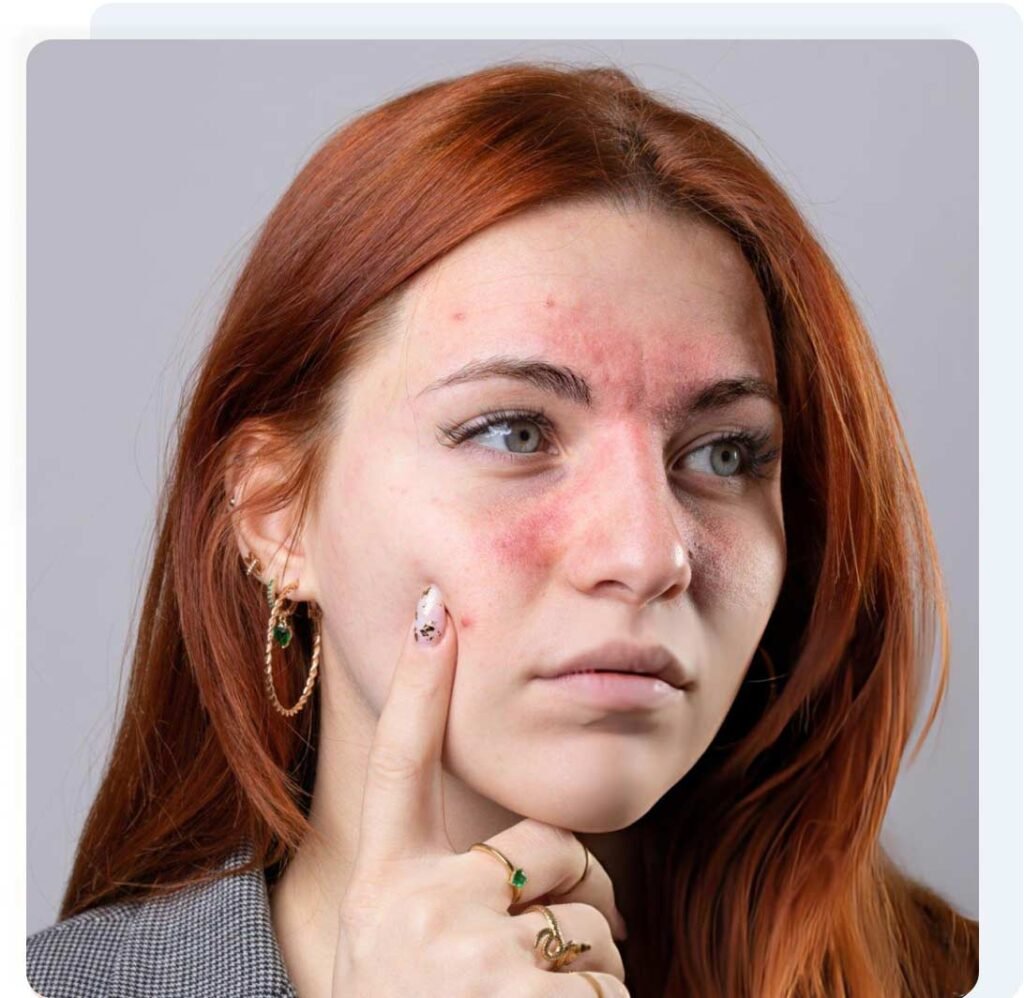
Many non-urgent rosacea concerns can initially be assessed through telehealth, particularly if you have an established diagnosis or need a treatment review. A doctor can discuss facial redness, flushing, acne-like bumps, skin sensitivity and previous treatments, then consider suitable management, prescription treatment where clinically appropriate or whether an in-person skin examination, dermatologist referral or eye assessment is needed.
Speak with an Australian-registered doctor.
Phone or video consultation.
Individual clinical assessment.
Testing may be recommended.
In-person care when needed.
Rosacea is a long-term inflammatory skin condition that commonly affects the cheeks, nose, chin and forehead. Symptoms vary between people and may include persistent redness, visible blood vessels, acne-like breakouts or eye irritation.
Frequent flushing can cause sudden warmth and redness across the cheeks, nose or other facial areas, often after exposure to personal triggers.
Some people develop ongoing redness, also called erythema, that remains between flare-ups and may become more noticeable over time.
Small, widened blood vessels, known as telangiectasia, may become visible across the cheeks or nose, particularly with persistent facial rosacea.
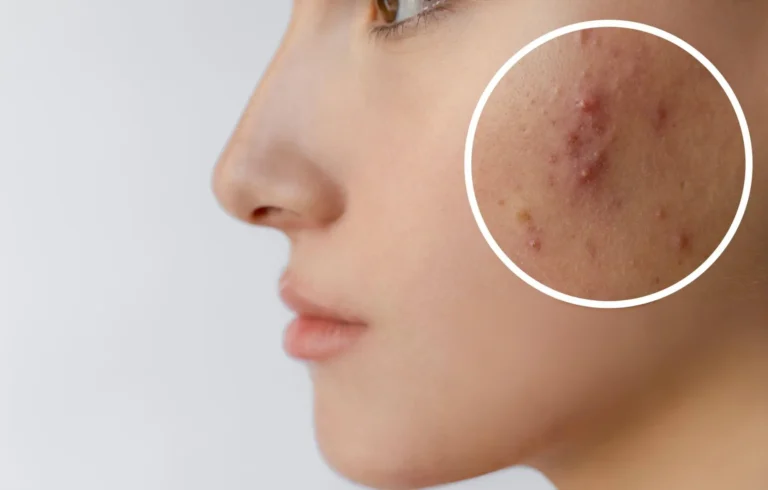
Papulopustular rosacea can cause inflamed red bumps or pus-filled spots that resemble acne, usually without the blackheads and whiteheads typical of acne.
Rosacea can cause stinging, burning, dryness or irritation. Skincare products that previously felt comfortable may begin to aggravate sensitive skin.
Ocular rosacea can cause dry, gritty, watery or red eyes and irritated eyelids. Some people experience recurring styes or sensitivity to light.
Choose an available TelehealthDr phone or video consultation and provide information about your rosacea symptoms and previous treatments.
Discuss your facial redness, flare-up patterns, skin sensitivity, current skincare, medical history and possible triggers.
Your doctor may discuss skincare, suitable treatment, follow-up or further assessment. An eScript may be issued where clinically appropriate, but a prescription is not guaranteed.
Rosacea management depends on the symptoms you experience, the areas affected and how your skin responds to different products or treatments. Your doctor may ask about the frequency of flare-ups, your skincare routine and any concerns that could suggest another skin condition.
Be prepared to discuss:
Clear photographs taken during flare-ups may help the doctor understand how your skin changes. If the diagnosis is uncertain, an in-person examination or dermatologist assessment may be needed to distinguish rosacea from acne, dermatitis or another condition.
The exact cause of rosacea is not fully understood, but genetics, immune system activity, changes in facial blood vessels and skin sensitivity may contribute. Microscopic Demodex mites, which naturally live on human skin, may also play a role in inflammation in some people. Rosacea is not caused by poor hygiene and is not contagious.
Common triggers include sun exposure, hot or cold weather, spicy foods, hot drinks, alcohol, stress, exercise and irritating skincare products. Triggers differ between individuals, so keeping a symptom diary may help identify patterns. Gentle cleansing, regular moisturising and broad-spectrum SPF 50+ sunscreen can support sensitive skin and help reduce avoidable flare-ups.
Acne-like bumps and pustules may require a different approach from facial flushing alone. Depending on symptom severity, a doctor may discuss suitable topical creams or gels, other medical treatments, and gentle skincare. Persistent inflammatory breakouts may require a treatment review or dermatologist assessment, particularly if previous management has not helped.
Ongoing facial redness may be managed through trigger reduction, sun protection and appropriate treatment where clinically suitable. For prominent visible blood vessels or persistent redness, a dermatologist may discuss vascular laser treatment or intense pulsed light (IPL). These procedures require an in-person assessment and may involve multiple sessions.
Rosacea is usually not a medical emergency, but symptoms involving the eyes should be taken seriously. Ocular rosacea can cause eyelid inflammation, dry eyes and irritation, and more serious inflammation may affect the cornea or threaten vision if left untreated.
Seek urgent medical assessment if you develop eye pain, significant sensitivity to light, blurred vision or worsening redness in the eye. Rapidly worsening facial swelling, an unusual rash or symptoms accompanied by fever may also need an in-person review to exclude another condition.
Seek urgent same-day care for eye pain, light sensitivity or vision changes. Go to an emergency department for sudden vision loss or severe eye symptoms.
Speak with Australian-registered doctors for your healthcare needs.
Access consultations from home, work or wherever suits you.
Your health information is handled securely during consultations.
Get medical support without travelling to a clinic.

Many non-urgent rosacea concerns can initially be assessed through telehealth. A doctor can review your facial symptoms, possible triggers, medical history and previous treatments before discussing suitable management or further assessment.
There is no single treatment suitable for everyone. The most appropriate approach depends on whether your main symptoms involve flushing, persistent redness, inflammatory bumps or eye irritation. Management may include gentle skincare, topical treatment, other medical options or specialist procedures.
A doctor may prescribe rosacea treatment following an individual clinical assessment when appropriate. An electronic prescription or eScript may be issued if suitable. A consultation does not guarantee a particular cream, medicine or prescription.
Some topical creams and gels can help manage inflammatory bumps, while other treatments may be considered for facial redness. The most suitable option depends on your symptoms, medical history and skin sensitivity. Some products can irritate, so treatment should be reviewed if your skin becomes more uncomfortable.
No. Rosacea and acne can both cause inflamed spots, but they are different skin conditions. Rosacea commonly involves flushing, persistent redness and sensitive skin, while blackheads and whiteheads are more typical of acne. The treatments used for each condition may also differ.
Identifying personal triggers, using gentle skincare and protecting the skin from sunlight may help manage flushing and irritation. Persistent redness may require additional treatment, while visible blood vessels may respond to appropriate laser or light-based procedures.
Vascular laser and intense pulsed light (IPL) treatments may reduce visible facial blood vessels and some persistent redness in selected patients. These are in-person procedures requiring individual assessment. Results vary, and rosacea can continue to flare even after treatment.
The timeframe depends on your symptoms and the treatment used. Some approaches may improve particular symptoms sooner, while topical treatment for inflammatory bumps often requires several weeks. A medical review after approximately six to eight weeks may help assess progress and whether the treatment plan needs adjustment.
Yes. Ocular rosacea may cause red, dry or gritty eyes, irritated eyelids and sensitivity to light. Eye pain, blurred vision or significant light sensitivity requires prompt assessment because serious eye inflammation can affect vision.
A gentle, fragrance-free cleanser, suitable moisturiser and broad-spectrum SPF 50+ sunscreen are useful foundations for rosacea-prone skin. Avoid harsh scrubs, strong exfoliants or products that repeatedly cause stinging. Introduce new skincare products carefully if your skin is sensitive.
Yes. Corticosteroid creams used on the face can sometimes trigger or worsen rosacea-like symptoms. Do not use a steroid cream to manage suspected rosacea unless a doctor has specifically advised you to use it for an appropriate reason.
There is currently no permanent cure for rosacea. However, suitable treatment and skincare can help manage symptoms and reduce flare-ups. Some people experience long periods of improvement, while others need ongoing reviews as their skin changes.
A dermatologist may be recommended if rosacea is severe, the diagnosis is uncertain, treatment is not helping, or you develop persistent visible blood vessels or thickened skin. Eye symptoms may require assessment by an ophthalmologist rather than a dermatologist alone.






If persistent facial redness, sensitive skin, acne-like bumps or recurring rosacea flare-ups are affecting your daily life, book a phone or video consultation with an Australian-registered doctor through TelehealthDr to discuss suitable management and next steps.
Phone or video consultation · Australian-registered doctors · Not an emergency service