Receding Hairline
Gradual hairline recession around the temples or forehead is commonly associated with male pattern hair loss, also known as androgenetic alopecia.

If you are experiencing hair thinning, increased shedding, a receding hairline, or changes in hair growth, online hair loss treatment through TelehealthDr allows you to speak with an Australian-registered doctor by phone or video. Your doctor can review your hair loss pattern, medical history, possible causes and previous treatments, then discuss suitable management options or further assessment.

Many non-urgent hair loss concerns can initially be assessed through telehealth, particularly gradual male or female pattern hair loss and ongoing treatment reviews. A doctor can discuss your symptoms, scalp health, medical history and previous treatments, then consider suitable management options or whether blood tests, an in-person scalp examination or dermatologist assessment may be needed.
Speak with an Australian-registered doctor.
Phone or video consultation.
Individual clinical assessment.
Testing may be recommended.
In-person care when needed.
Hair loss, medically known as alopecia, can appear in different patterns depending on the underlying cause. Recognising these changes can help guide diagnosis and appropriate management.
Gradual hairline recession around the temples or forehead is commonly associated with male pattern hair loss, also known as androgenetic alopecia.
Progressive thinning around the crown or top of the scalp is another common sign of hereditary male pattern hair loss.
Female pattern hair loss often causes gradual thinning across the top of the scalp, making the central hair part appear wider.
Increased shedding across the scalp may occur with telogen effluvium, sometimes following illness, stress, hormonal changes, or other physical triggers.
Round or irregular bald patches may occur with alopecia areata, an autoimmune condition that can require further medical assessment.
Hormonal changes after childbirth can cause temporary increased hair shedding. Persistent or significant postpartum hair loss may need further investigation.
Choose an available TelehealthDr phone or video consultation and provide information about your hair loss concerns and previous treatments.
Discuss your hair loss pattern, how it has progressed, scalp symptoms, medical history, medicines and possible contributing factors.
Your doctor may discuss suitable management options, treatment where clinically appropriate, further testing, or an in-person assessment. A consultation does not guarantee a particular medicine or prescription.
Understanding hair loss involves more than examining a receding hairline or thinning scalp. Your doctor may ask about the pattern, duration, possible triggers, and other health factors that could influence hair growth.
Be prepared to discuss:
Photos showing changes in your hairline or scalp may also help your doctor assess progression. Depending on your symptoms, they may recommend pathology testing, a physical scalp examination or specialist review.
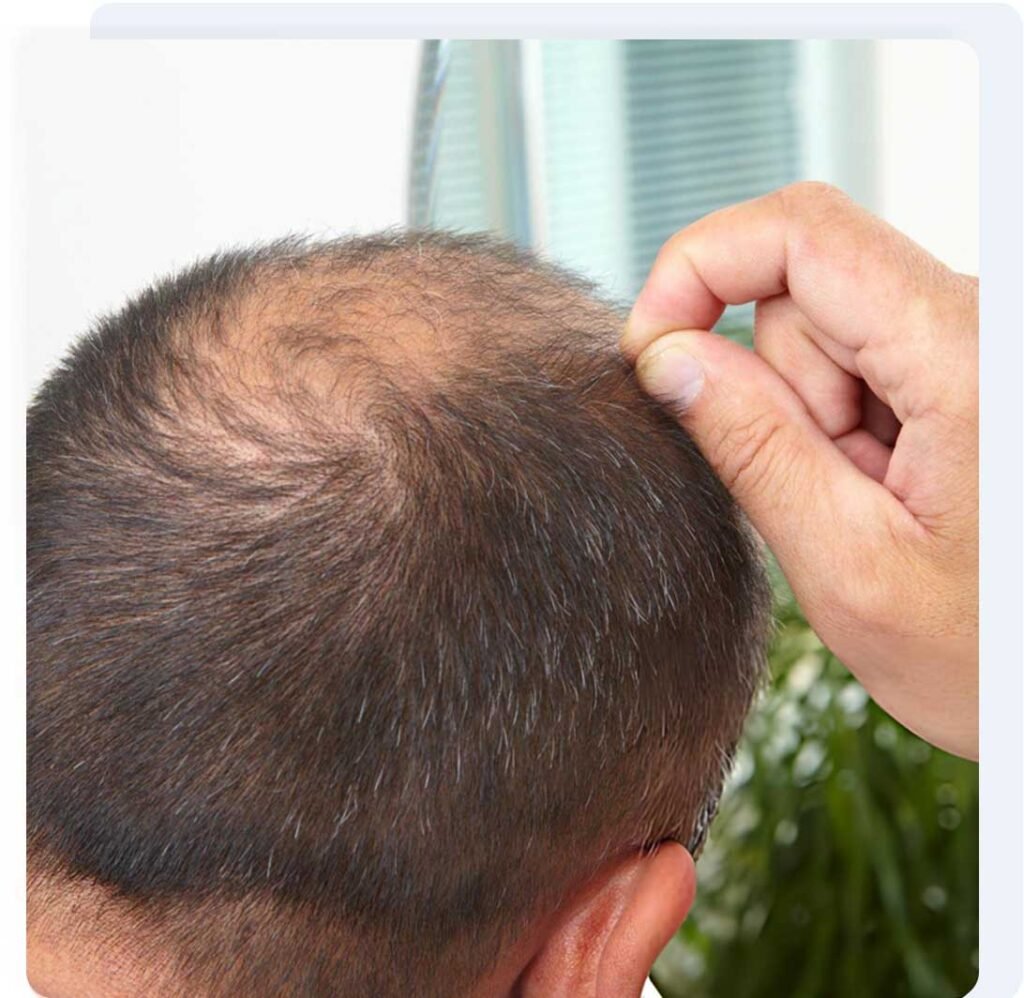
Hair loss can result from genetics, hormonal sensitivity, ageing, medical conditions, medicines and changes in the normal hair-growth cycle. Androgenetic alopecia, commonly called male or female pattern hair loss, develops when genetically susceptible hair follicles gradually produce finer hairs. In male pattern hair loss, sensitivity to dihydrotestosterone (DHT) contributes to follicle miniaturisation and progressive thinning.
Other causes include telogen effluvium, thyroid disorders, iron deficiency, autoimmune conditions such as alopecia areata, and scalp infections. Pregnancy-related hormonal changes, some medicines, significant illness or stress, and repeated tension from tight hairstyles can also contribute. Identifying the underlying cause is important because not every form of hair loss responds to the same treatment.
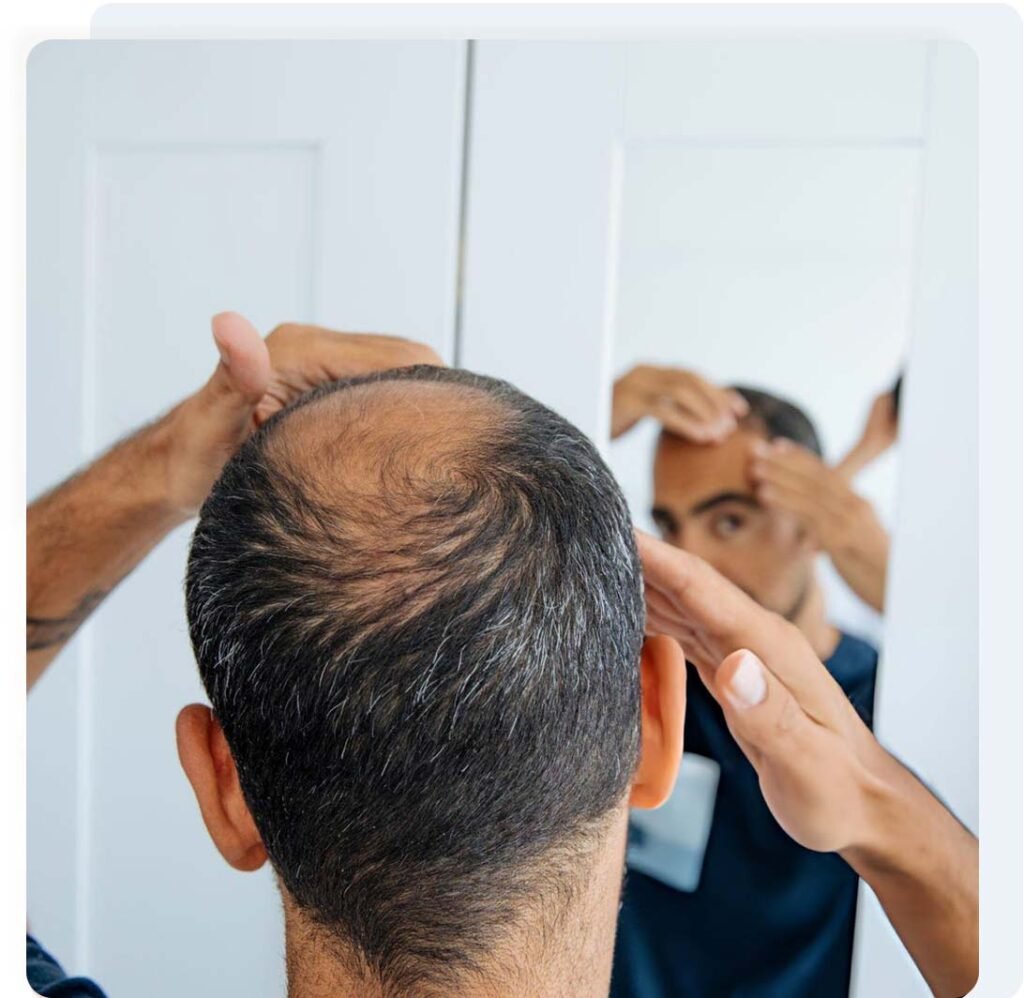
Male pattern hair loss commonly affects the hairline, temples, and crown due to hereditary sensitivity of hair follicles to androgen hormones. Depending on the diagnosis, a doctor may discuss topical treatments or other medical options where appropriate. Treatment generally aims to slow further thinning and may support regrowth, although results vary and ongoing use or follow-up may be necessary.
Female pattern hair loss often causes widening of the hair part or reduced density across the scalp. Management may involve topical treatment, investigation of relevant health or hormonal factors, or other options based on individual suitability. Pregnancy, breastfeeding, previous treatment response, and possible medicine-related risks are important considerations before choosing an approach.
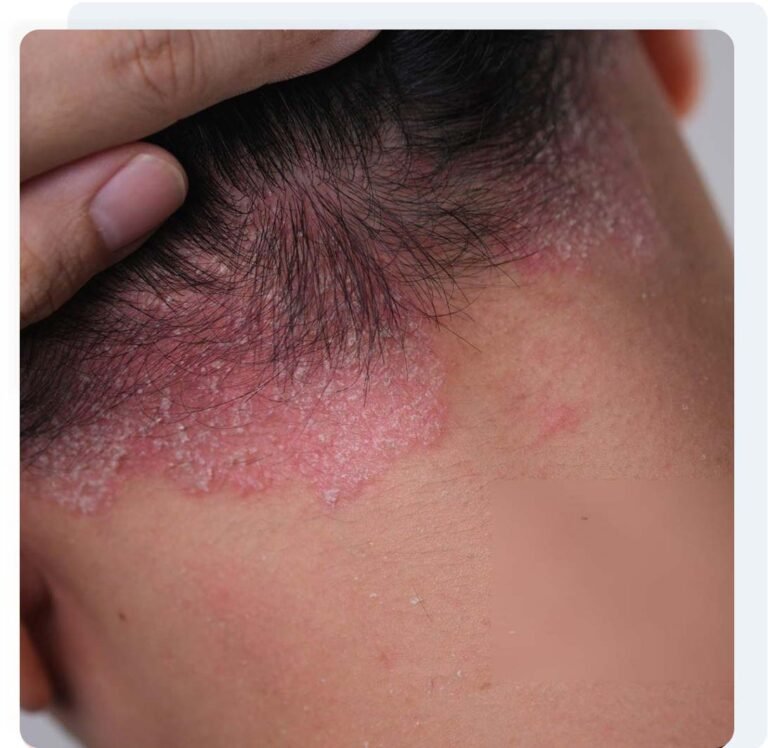
Hair loss is usually not a medical emergency, but sudden, rapidly progressing or unexplained shedding may require further assessment. Distinct bald patches, scalp inflammation, or changes affecting the eyebrows and eyelashes can sometimes indicate conditions other than hereditary pattern hair loss.
Arrange a medical review if you notice painful or intensely itchy scalp areas, redness, significant scaling, sores, signs of infection or possible scarring. Hair loss accompanied by other unexplained health symptoms may also require blood tests, a physical examination or dermatologist assessment.
Seek an in-person medical assessment if hair loss is sudden, patchy, rapidly worsening or accompanied by significant scalp symptoms.
Speak with Australian-registered doctors for your healthcare needs.
Access consultations from home, work or wherever suits you.
Your health information is handled securely during consultations.
Get medical support without travelling to a clinic.

Yes. Many non-urgent hair loss concerns, particularly gradual male or female pattern hair loss, can initially be assessed through telehealth. A doctor will review your symptoms and medical history before discussing appropriate treatment or further assessment.
Men experiencing a receding hairline, crown thinning, or gradual male pattern baldness may be suitable for an online consultation. The doctor can review the hair loss pattern, previous treatments, and medical history to determine appropriate next steps.
Female hair loss treatment online may be suitable for non-urgent concerns such as gradual thinning, widening of the hair part, or ongoing treatment reviews. Sudden shedding or symptoms suggesting an underlying medical condition may require further investigation.
There is no single treatment suitable for everyone. The appropriate approach depends on the type of hair loss, underlying cause, medical history, treatment safety, and individual goals. A doctor can help determine which options may be appropriate.
A doctor may prescribe treatment following an individual phone or video assessment if it is clinically appropriate. Prescribing decisions depend on your diagnosis, medical history, and treatment suitability. A consultation does not guarantee a prescription.
Not everyone requires blood tests. A doctor may recommend testing for concerns such as thyroid dysfunction, iron deficiency, or other relevant health conditions, particularly when hair loss is sudden, diffuse, or unexplained.
Significant physical or emotional stress can contribute to increased hair shedding, including telogen effluvium. This may develop following illness, surgery, or other major stressors, and the shedding may improve after the underlying trigger resolves.
Hair grows slowly, so treatment response is generally assessed over several months. Some approaches may require six months or longer before the response is clear. Results depend on the cause, treatment, and individual circumstances.
Some forms of hair loss may improve or regrow after the underlying trigger is addressed, including certain cases of telogen effluvium. Hereditary pattern hair loss and scarring conditions behave differently, and regrowth cannot be guaranteed.
Not all hair loss treatments are suitable during pregnancy, breastfeeding, or when planning pregnancy. Tell your doctor about your circumstances before starting or changing any treatment.















If you are experiencing a receding hairline, gradual thinning, increased shedding, or changes to your scalp and would like medical advice, book a phone or video consultation with an Australian-registered doctor through TelehealthDr.
Phone or video consultation · Australian-registered doctors · Not an emergency service