Blackheads
Blackheads are open blocked pores, also called open comedones. The dark appearance is caused by material in the pore being exposed to air rather than dirt.

If persistent breakouts, inflamed pimples or acne are affecting your skin, Acne Treatment Online through TelehealthDr allows you to speak with an Australian-registered doctor by phone or video. Your doctor can review your acne type and severity, affected areas, skincare routine, previous treatments, medicines and relevant health factors, then discuss appropriate treatment or whether further assessment is needed.
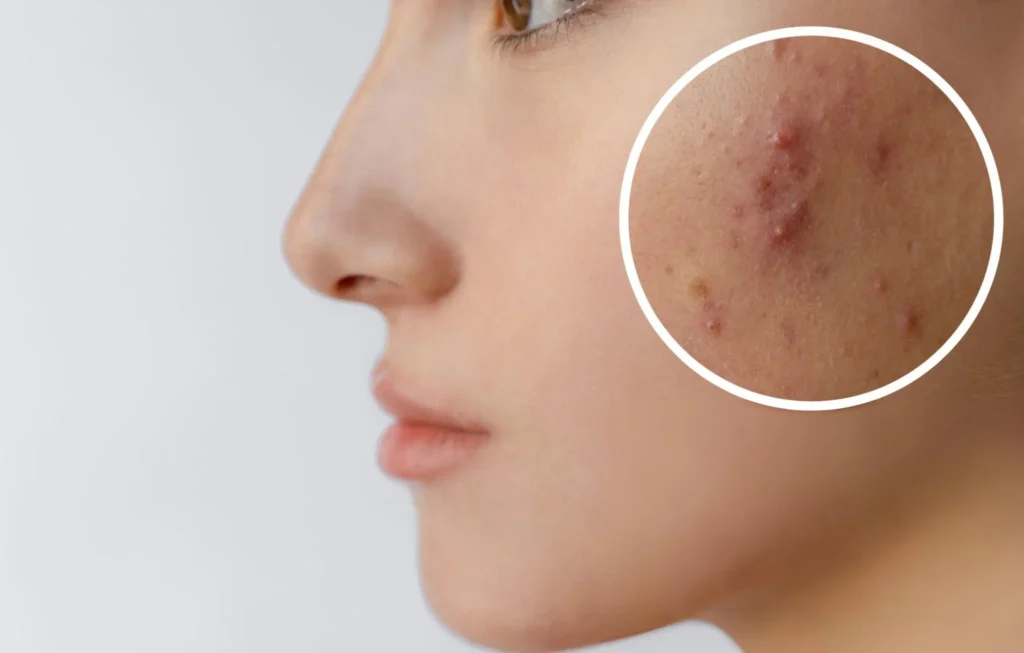
Many non-urgent acne concerns can initially be assessed through telehealth, including persistent blackheads, whiteheads and inflammatory breakouts. A doctor can review your symptoms, acne pattern, previous treatments, medicines and medical history, then discuss skincare, topical or oral treatment where clinically appropriate, follow-up or whether an in-person examination or dermatologist assessment may be needed.
Speak with an Australian-registered doctor.
Phone or video consultation.
Individual clinical assessment.
Testing may be recommended.
In-person care when needed.
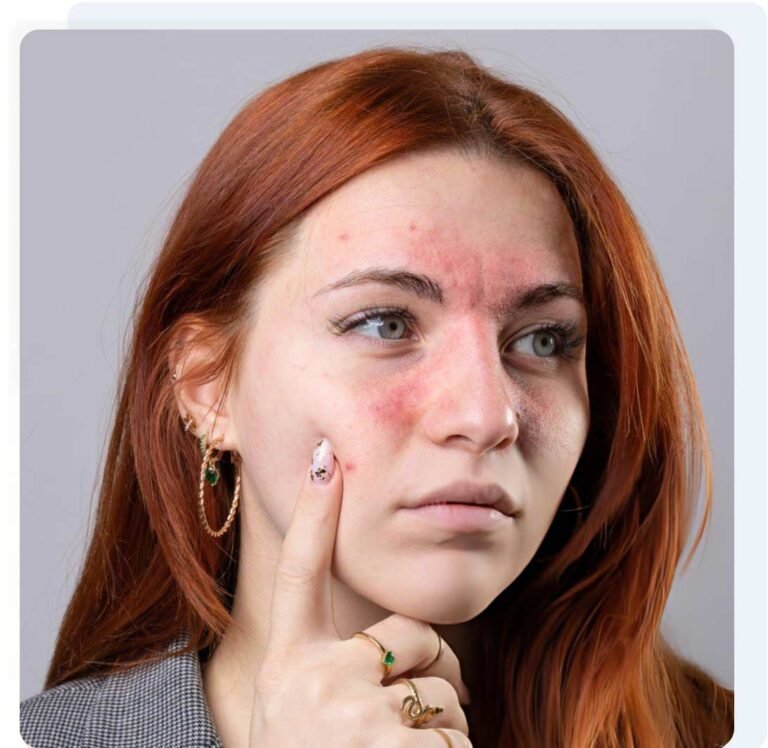
Acne, also called acne vulgaris, develops when hair follicles become blocked with sebum and dead skin cells, with inflammation and skin bacteria also contributing to some breakouts. Acne commonly affects the face, chest, shoulders and back and can range from mild comedonal acne to deeper inflammatory lesions.
Blackheads are open blocked pores, also called open comedones. The dark appearance is caused by material in the pore being exposed to air rather than dirt.
Whiteheads, or closed comedones, form when oil and dead skin cells block a hair follicle beneath the skin surface.
Papules are small, raised and inflamed red bumps that develop when blocked follicles become irritated.
Pustules are inflamed pimples containing visible pus and may have a white or yellow centre surrounded by redness.
Acne nodules are deeper, firm and often painful lumps beneath the skin. Nodular acne can increase the likelihood of lasting scars.
Cystic acne causes deeper inflammatory lesions that may be painful and carry a higher risk of scarring, particularly when breakouts are severe or persistent.
Choose an available TelehealthDr phone or video consultation and provide information about your acne concerns and previous treatment.
Discuss your breakouts, affected areas, treatment history, skincare routine, medicines and relevant medical or hormonal factors.
Your doctor may discuss skincare, treatment where clinically appropriate, follow-up or further assessment. A consultation does not guarantee a particular medicine or prescription.
Choosing an appropriate acne treatment involves more than identifying a few pimples. Your doctor may consider the type and severity of acne, previous treatment response and factors that may affect treatment safety.
Be prepared to discuss:
This information helps the doctor determine whether telehealth is suitable and whether topical treatment, oral medicine, treatment review or dermatologist assessment may be appropriate.
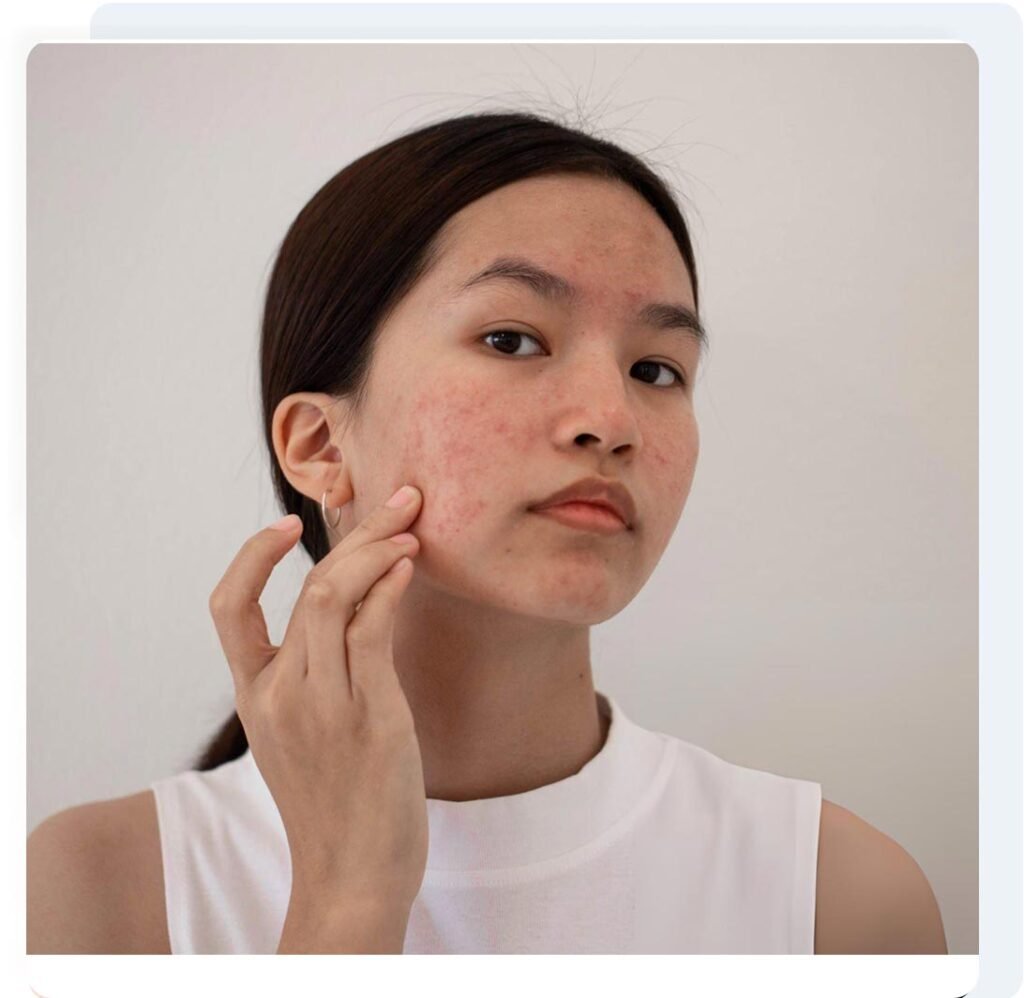
Acne develops through several interacting factors, including increased sebum production, blocked hair follicles, inflammation, skin bacteria and androgen hormones. Genetics can also influence acne risk, while hormonal changes during puberty or adulthood may contribute to increased oil production and breakouts. Acne is not simply caused by poor hygiene, and excessive washing or harsh skincare can irritate the skin.
Stress, some medicines and individual skincare or cosmetic products may also influence breakouts in some people. Adult acne can persist beyond adolescence or begin later in life, and hormonal conditions may sometimes contribute. Because the cause and pattern vary between individuals, treatment is usually chosen according to acne severity, lesion type, medical history and previous response rather than one single trigger.
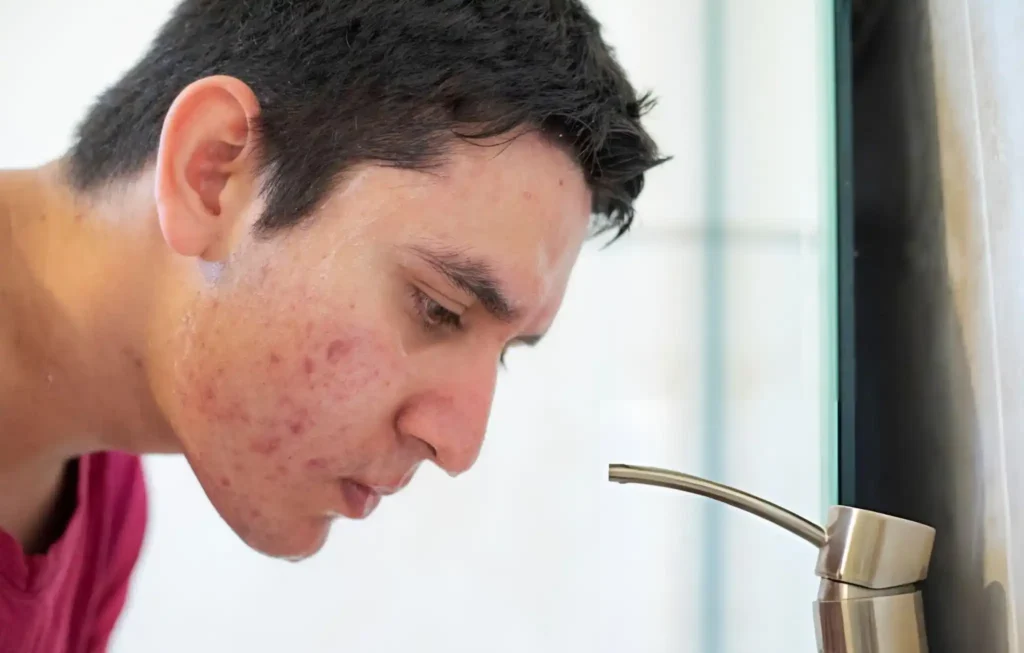
Topical treatments are applied directly to the affected skin and are commonly used for mild to moderate acne. Depending on the acne type, options may include benzoyl peroxide, azelaic acid, topical retinoids or topical antibiotics. A doctor can discuss which approach may be suitable and how to minimise irritation while treatment begins.
Oral treatment may be considered for more persistent, widespread or inflammatory acne when topical treatment alone is not enough. Options can include certain antibiotics or hormonal medicines in appropriate patients. Oral isotretinoin requires specialist prescribing and monitoring in Australia, so severe, resistant or scarring acne may require dermatologist referral.
Acne itself is usually not a medical emergency, but deep nodules, cystic acne, rapid scarring, extensive inflammation or symptoms that do not look like typical acne may need an in-person examination or dermatologist assessment. Earlier review can be particularly important when acne is painful, severe or beginning to leave permanent scars.
You should also seek medical advice if treatment causes significant or unexpected side effects. Severe facial or throat swelling, difficulty breathing, collapse, or a severe widespread medication reaction requires urgent medical care rather than a routine acne consultation.
TelehealthDr is not an emergency service.
Call Triple Zero (000) for severe breathing difficulty, throat swelling, collapse or another life-threatening reaction.
Speak with Australian-registered doctors for your healthcare needs.
Access consultations from home, work or wherever suits you.
Your health information is handled securely during consultations.
Get medical support without travelling to a clinic.

Many non-urgent acne concerns can initially be assessed through telehealth. Your doctor can review your acne type, severity, previous treatment and medical history before discussing appropriate options.
A doctor may prescribe acne medicine following an individual clinical assessment where clinically appropriate. A consultation does not guarantee a particular medicine or prescription.
Acne develops through a combination of blocked hair follicles, excess sebum, inflammation, skin bacteria and hormonal influences. Genetics and some other individual factors may also contribute.
Acne treatment usually takes time. Healthdirect advises that improvement often takes around 2 to 3 months, although the timeframe varies according to acne type, severity, treatment and individual response.
Yes. Acne can persist from adolescence into adulthood or begin during adult life. Adult acne may be influenced by several factors, including hormonal changes and individual susceptibility.
Yes. Deeper inflammatory acne, particularly nodules and cysts, carries a greater risk of scarring. Picking or squeezing lesions can also interfere with healing and increase the likelihood of marks or scars.
Not necessarily. Flat colour changes can remain after inflammation settles, while true acne scars involve a lasting change in skin texture, such as indentations or raised areas. A clinician can help determine what type of post-acne change is present.
Not every acne treatment is suitable during pregnancy or when planning pregnancy. Some retinoid treatments are specifically unsuitable, so pregnancy and pregnancy plans should always be discussed before treatment is selected.
Not everyone does. A GP may manage many cases of acne, while severe, treatment-resistant, nodular, cystic or scarring acne may warrant dermatologist referral. Oral isotretinoin is generally prescribed by an appropriately authorised specialist in Australia.
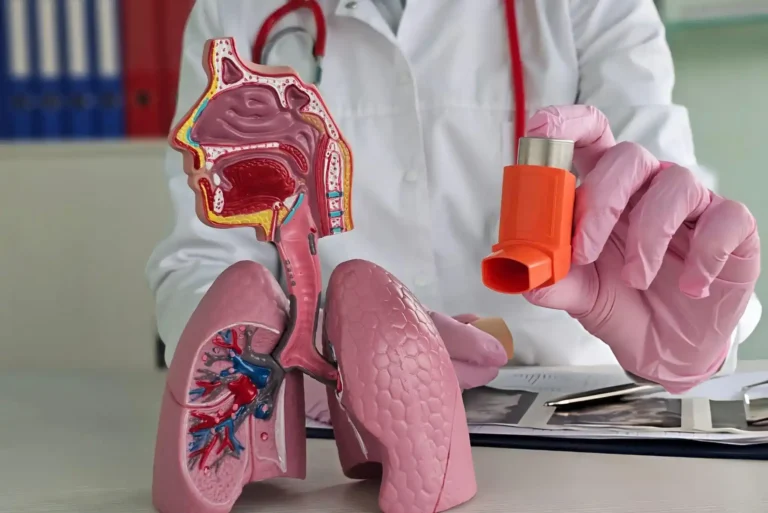










If persistent breakouts, inflamed spots or acne are affecting your skin and you would like medical advice, book a phone or video consultation with an Australian-registered doctor through TelehealthDr.
Phone or video consultation · Australian-registered doctors · Not an emergency service