
How to Avoid Bali Belly on Your Next Holiday: A Doctor’s Guide
Learning how to avoid Bali belly can turn your dream holiday from a nightmare into paradise. Every year, thousands of Australians experience this unpleasant condition while visiting Indonesia’s most popular...
Reviewed by Dr. faisal khan (MBBS, FRACGP, FAMAC) - Consult Now
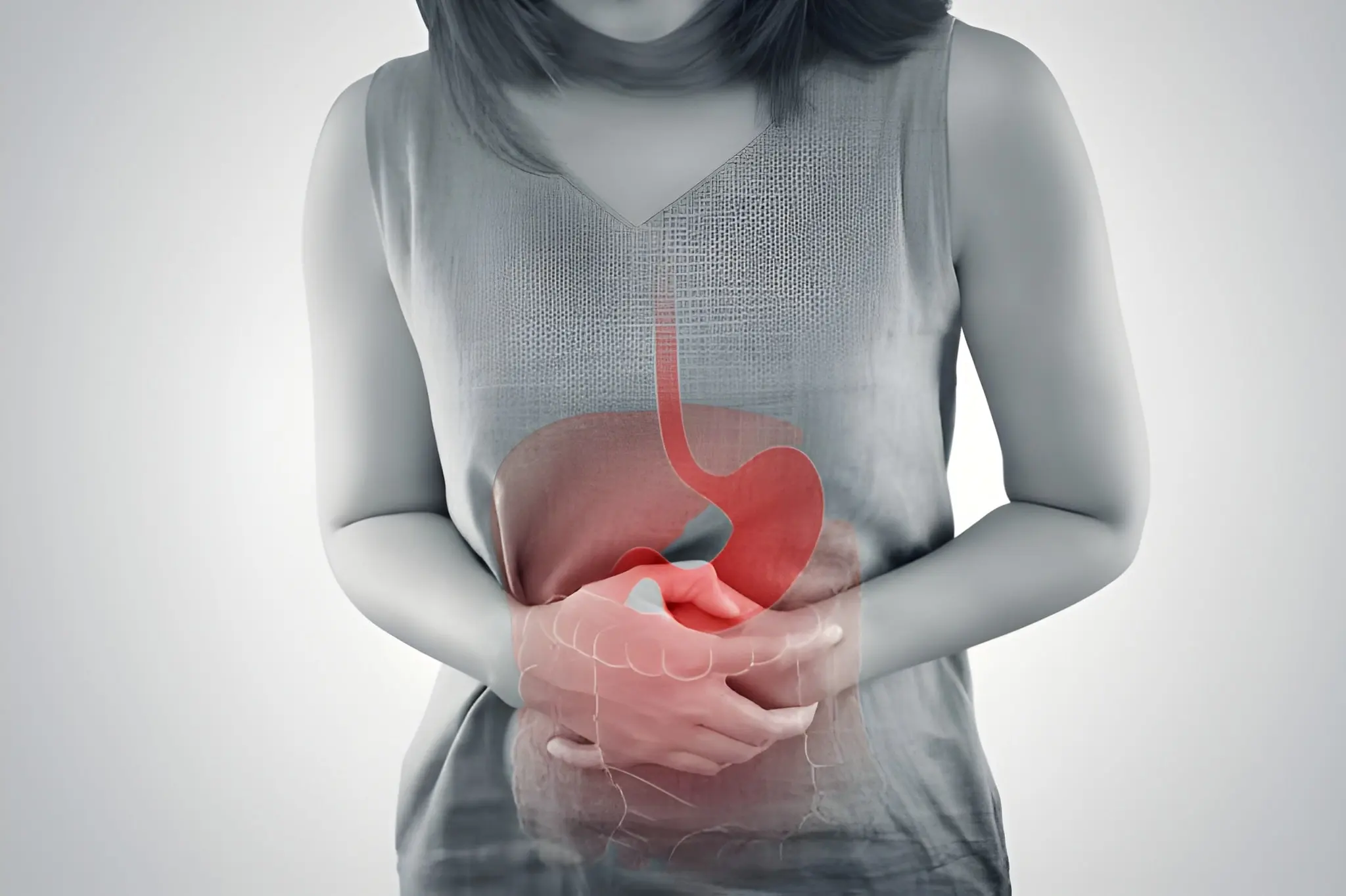
Learning how to avoid Bali belly can turn your dream holiday from a nightmare into paradise. Every year, thousands of Australians experience this unpleasant condition while visiting Indonesia’s most popular destination.
Bali belly is a common form of traveller’s diarrhoea that affects visitors to Bali and other parts of Southeast Asia. It causes stomach cramps, watery stools, nausea, and can leave you stuck in your hotel room instead of enjoying the beach.
The good news is that knowing how to avoid Bali belly means you can prevent it completely with the right preparation and precautions. Most cases happen because of contaminated food or water, poor hygiene standards, or bacterial infections that your Australian gut isn’t used to.
If you want doctor-backed travel health advice before flying, you can book an online consult with an Australian GP anytime.
What Causes Bali Belly?
Understanding what causes Bali belly helps you avoid it. When you understand how to avoid Bali belly, you can make better choices about food and drinks. The main culprits are bacteria, viruses, and parasites that live in contaminated food and water.
Contaminated Water Sources
Tap water in Bali contains bacteria that can cause stomach problems. This includes:
- Drinking tap water directly
- Ice cubes made from tap water
- Brushing your teeth with tap water
- Swimming pools with poor water treatment
- Fresh juices mixed with tap water
Poor Food Hygiene
Food handling standards vary across Bali. Problems happen when:
- Food sits out in hot weather for hours
- Kitchen staff don’t wash their hands properly
- Raw and cooked foods mix
- Utensils and plates aren’t cleaned well
- Street food vendors lack proper refrigeration
Common Bacterial Infections
Several bacteria cause Bali belly:
- E. coli: from contaminated water or undercooked meat
- Salmonella: from poorly handled poultry or eggs
- Campylobacter: from undercooked chicken or contaminated water
- Shigella: spreads through poor hand hygiene
Parasitic Infections
Some visitors pick up parasites like Giardia from contaminated water sources. These infections can last weeks if left untreated.
Since Bali belly often comes from unsafe water or food handling, it helps to prepare before your trip. A quick telehealth consult can give you personalised advice and prescriptions to carry overseas.
Symptoms of Bali Belly
Bali belly symptoms usually start within 24 to 48 hours of consuming contaminated food or water. Knowing the signs helps you act quickly.
Common Symptoms
- Frequent watery stools (3+ times per day)
- Stomach cramps and pain
- Nausea and vomiting
- Loss of appetite
- Feeling weak and tired
- Mild fever
More Serious Signs
See medical help if you develop:
- High fever (over 38.5°C)
- Blood in your stools
- Severe dehydration symptoms
- Persistent vomiting for more than 24 hours
- Dry mouth and dizziness
- Severe stomach pain
How Long Does Bali Belly Last?
Most cases of Bali belly last 2-4 days with proper care. However, some bacterial infections need antibiotic treatment to clear completely.
Without treatment, symptoms can drag on for a week or more. Some people continue to feel unwell even after returning home from their trip.
How to Avoid Bali Belly
Prevention is your best defence against Bali belly. When you know exactly how to avoid Bali belly, you can enjoy Bali’s amazing food scene without worry. Follow these doctor-approved tips to keep your stomach happy during your holiday.
Safe Drinking Water Practices
Only drink bottled water: This is the most important rule. Buy sealed bottles from reputable shops.
Avoid tap water completely: Don’t drink it, brush your teeth with it, or rinse your mouth with it.
Say no to ice: Ice cubes are usually made from tap water. Ask for drinks without ice or bring your own ice packs.
Check bottle seals: Make sure water bottles are properly sealed when you buy them. Avoid bottles that look tampered with.
Smart Food Choices
Eat at busy restaurants: Popular places with high turnover serve fresher food. Empty restaurants might have food sitting around longer.
Choose hot, freshly cooked meals: Food that’s steaming hot is safer than lukewarm dishes.
Avoid salads and raw vegetables: These are often washed with tap water and can harbour bacteria.
Skip street food initially: Save adventurous eating for later in your trip when your stomach has adjusted.
Peel your own fruit: Bananas, oranges, and other fruits you peel yourself are generally safe.
Practical Travel Tips on How to Avoid Bali Belly
Wash your hands frequently: Use soap and water for at least 20 seconds, especially before eating.
Carry hand sanitiser: Use alcohol based sanitiser when soap and water aren’t available.
Pack probiotics: Start taking them a week before travel to boost your gut health.
Bring medication: Pack antidiarrhoeal tablets, rehydration salts, and paracetamol.
Stay at reputable accommodation: Better hotels have higher hygiene standards and safer water systems.
Even with the best precautions, sometimes stomach bugs still happen. If you feel unwell overseas, you can connect with an Australian GP online for fast treatment advice.
Essential Medications to Pack
Smart travellers pack a basic medical kit before heading to Bali. Understanding how to avoid Bali belly includes being prepared for any situation. Here’s what doctors recommend:
Prevention Medications
Probiotics: Start taking these 7 days before travel and continue during your trip. They help maintain healthy gut bacteria.
Travel insurance: Not a medication, but essential for covering medical costs if you get sick.
Treatment Options
Oral rehydration salts: Mix these with safe water to replace lost fluids and electrolytes.
Loperamide (Imodium): Helps slow down diarrhoea, but don’t use it if you have a fever or blood in your stools.
Paracetamol: Reduces fever and relieves stomach cramps.
Antibiotics: Some travellers carry ciprofloxacin or azithromycin for bacterial infections, but only use these with medical advice.
Food and Drink Safety Rules
Follow these simple rules to enjoy Bali’s cuisine safely. Knowing how to avoid Bali belly means you can still try local dishes without taking unnecessary risks:
Safe Food Choices
- Hot soups and curries
- Well-cooked rice and noodles
- Grilled or fried seafood (if it’s hot)
- Bread and pastries from clean bakeries
- Packaged snacks from supermarkets
Foods to Avoid
- Raw or undercooked meat
- Fresh salads and cut vegetables
- Dairy products (ice cream, milk, cheese)
- Seafood that smells fishy
- Food from unlicensed street vendors
Drink Safety Guidelines
- Stick to bottled water brands like Aqua or Ades
- Hot tea and coffee are usually safe
- Canned or bottled soft drinks
- Beer and spirits (alcohol kills most bacteria)
- Coconut water from fresh coconuts, you watch them being opened
When to Seek Medical Help
Most cases of Bali belly resolve with rest and rehydration. However, some situations need professional medical attention.
See a Doctor If:
- Symptoms last more than 3 days
- You develop a high fever over 38.5°C
- You see blood or mucus in your stools
- You can’t keep fluids down for more than 24 hours
- You feel severely dehydrated
- You have intense stomach pain
Australian GP Online Services
If you’re in Bali and feeling unwell, you can still consult with an Australian GP through telehealth services. This gives you:
- Professional medical advice from home
- Prescription medications, if needed
- Medical certificates for work or travel insurance
- Peace of mind from Australian-trained doctors
Bali Belly Treatment Options
Treatment depends on how severe your symptoms are and what’s causing them. Even when you know how to avoid Bali belly, sometimes stomach bugs still happen despite your best efforts.
Self-Care at Home
Stay hydrated: This is the most important step. Sip small amounts of safe water or rehydration drinks regularly.
Rest your stomach: Eat bland foods like plain rice, bananas, or dry toast when you feel ready.
Avoid dairy and spicy foods: These can make symptoms worse.
Use antidiarrhoeal medication carefully: These help with comfort but can delay recovery from bacterial infections.
Professional Treatment
Antibiotics: Needed for bacterial infections. An Australian GP can assess if you need these through an online consultation.
IV fluids: Severe dehydration might need hospital treatment.
Stool testing: Helps identify the exact cause if symptoms persist.
Medical Certificates Online
If Bali belly affects your travel plans or you need time off work after returning home, you can get medical certificates online from Australian GPs.
Staying Hydrated in Bali’s Heat
Bali’s hot, humid weather increases your risk of dehydration, especially if you develop Bali belly.
Signs of Dehydration
- Dark yellow urine
- Dry mouth and lips
- Feeling dizzy when standing
- Headache and tiredness
- Less frequent urination
Rehydration Strategies
Drink before you feel thirsty: Thirst is a late sign of dehydration.
Choose electrolyte drinks: Sports drinks or rehydration salts replace lost minerals.
Avoid alcohol when sick: It makes dehydration worse.
Monitor your urine: Pale yellow shows good hydration.
Special Considerations for Different Travellers
Different groups of travellers need specific advice for preventing Bali belly. Learning how to avoid Bali belly isn’t one size fits all; your approach should match your specific situation.
Families with Children
Kids get dehydrated faster than adults. Pack:
- Child-friendly rehydration solutions
- Familiar bland foods they’ll eat when sick
- A thermometer to monitor fever
- Paediatric paracetamol
Older Travellers
Seniors have a higher risk of complications. Consider:
- Booking accommodation with good medical facilities nearby
- Carrying a complete medication list
- Having travel insurance with good medical coverage
- Consulting a GP before travel about preventive antibiotics
Pregnant Women
Pregnancy changes how your body handles infections. Always:
- Consult your obstetrician before travelling
- Be extra cautious with food and water
- Seek medical help quickly if symptoms develop
- Avoid certain medications that aren’t safe in pregnancy
After Your Trip: Dealing with Symptoms at Home
Some people develop Bali belly symptoms after returning to Australia. Even if you thought you mastered how to avoid Bali belly during your trip, symptoms can still appear once you’re home. This happens because:
- Symptoms can take days to appear
- Some infections have longer incubation periods
- You might have been exposed just before flying home
Post Travel Health Checks
See a doctor if you develop:
- Diarrhoea lasting more than 3 days after returning
- Fever or persistent stomach pain
- Unusual fatigue or weight loss
- Blood in your stools
Australian GPs can arrange stool tests to identify specific bacteria or parasites and provide appropriate treatment.
Building Immunity for Future Trips
Regular travellers to Southeast Asia often build some immunity to local bacteria over time. However, you still need to remember how to avoid Bali belly on every trip – you can’t rely on this protection alone.
Gradual Exposure
Some experienced travellers slowly introduce local foods:
- Start with safer restaurants
- Try local dishes in small amounts
- Build up to street food over several trips
- Always maintain basic hygiene practices
Gut Health Maintenance
Keep your digestive system healthy between trips:
- Eat a varied diet with plenty of fibre
- Consider regular probiotic supplements
- Limit processed foods and excess sugar
- Stay well hydrated daily
Final Advice Before Travelling
Preventing Bali belly starts before you board your flight. Smart preparation makes all the difference between a memorable holiday and a medical emergency.
Pre Travel Checklist
2 weeks before travel:
- Start taking probiotics daily
- Check your travel insurance covers medical expenses
- Research reputable restaurants at your destination
1 week before travel:
- Pack your medical kit with essential medications
- Download offline maps showing nearby medical facilities
- Save important phone numbers, including your insurance provider
Day of departure:
- Carry hand sanitiser in your day bag
- Pack rehydration salts in your carry-on luggage
- Bring a water bottle you can refill with bottled water
Emergency Contacts
Keep these numbers handy:
- Your travel insurance emergency line
- Local emergency services (Bali: 118 or 119)
- Australian Embassy in Indonesia: +62 21 2550 5555
- Telehealth Dr for online GP consultations
Planning a Bali trip soon? Don’t take chances with your health. Book an online travel health consultation with an AHPRA-registered Australian GP today.
Take Control of Your Travel Health
Bali belly doesn’t have to ruin your Indonesian adventure. With proper preparation, smart food choices, and basic hygiene, you can significantly reduce your risk of getting sick.
Remember that prevention is always better than treatment. The small inconvenience of being careful with food and water is nothing compared to spending your holiday in bed with stomach problems.
If you do develop symptoms, don’t suffer in silence. Modern telehealth services mean you can access Australian medical care from anywhere in the world.
Frequently Asked Questions
What is Bali belly, and how long does it last?
Bali belly traveller’s diarrhoea is caused by bacteria or viruses in contaminated food and water. Most cases last 2-4 days with proper treatment, but some infections can persist for a week or more without medical care.
How do you avoid Bali belly when travelling to Bali?
Stick to bottled water for drinking and teeth brushing, eat only ho, freshly cooked food, wash your hands frequently, avoid ice and raw vegetables, and take probiotics before and during your trip.
What is the best treatment for Bali belly?
Stay hydrated with safe water or rehydration salts, rest, and eat bland foods. For bacterial infections, antibiotics may be needed. Consult an Australian GP online if symptoms are severe or persist beyond 3 days.
Can I get a medical certificate online if Bali belly makes me miss work?
Yes, Australian GPs can provide medical certificates through telehealth consultations. You can book online appointments to get documentation for work or travel insurance claims.
When should I see an Australian GP online for Bali belly?
Contact a doctor if you have a high fever, blood stools, can’t keep fluids down for 24 hours, or symptoms last more than 3 days. Online consultations let you get Australian medical advice while overseas.
Is Bali belly contagious?
Bali belly itself isn’t directly contagious person to person, but the bacteria and viruses that cause it can spread through contaminated food, water, or poor hygiene. Always wash your hands to prevent spreading infections.