
Approximate waiting time to speak to a doctor is within 40 minutes.

UTI Script Online in Australia: Fast Treatment From TelehealthDr

A UTI script is a prescription for antibiotics that help clear a urinary tract infection. Many Australians search for UTI scripts online because symptoms can start suddenly and worsen quickly.

Getting treatment fast matters. Burning when you pee, constant bathroom trips, and lower stomach pain can make daily life difficult. The good news is you can now get a safe, legal UTI prescription online without sitting in a waiting room.

Online GP consultations let you speak with an Australian-registered doctor from home. Your script gets sent straight to your local pharmacy the same day. It’s private, quick, and designed to help you feel better sooner.

Need relief quickly? You can speak with an Australian-registered GP online and get a safe UTI prescription sent to your local pharmacy today through TelehealthDr.

What Is a UTI Script?

A UTI script is a prescription for antibiotics that treat bladder infections or urinary tract infections. You need this script because UTI antibiotics are prescription-only medicines in Australia. GPs assess your symptoms first to make sure antibiotics are the right treatment.

Online UTI scripts work the same way as in-clinic scripts. The main difference is that you speak with your doctor over a video call or phone call instead of visiting a GP surgery. The doctor reviews your medical history, asks about your symptoms, and decides if a prescription is safe for you.

Once approved, your script is sent electronically to a pharmacy near you. You can usually pick up your medication within hours. This process follows strict Australian telehealth guidelines and AHPRA prescribing rules.

Also Read : https://telehealthdr.com.au/is-instant-scripts-legit/

How Online UTI Scripts Work in Australia

Australian law requires that a registered doctor issue all prescriptions. This includes online scripts. The GP must complete a proper consultation before writing any script, even for common infections like UTIs.

During your telehealth consultation, the doctor checks if your symptoms match a typical bladder infection. They also look for red flags like fever, back pain, or blood in the urine. If your case seems complicated, they may ask you to visit a clinic or get a urine test.

Safe prescribing rules mean some people cannot get antibiotics online. Pregnant women, people with kidney infections, or anyone with severe symptoms usually need in-person care. The doctor will always tell you if online treatment is not suitable.

Can You Get a UTI Antibiotic Online?

Yes, many people can get UTI antibiotics through an online consultation. If your symptoms suggest an uncomplicated bladder infection, an Australian GP can safely prescribe first-line antibiotics during a telehealth appointment.

However, not everyone qualifies for online treatment. If you have a high fever, severe back pain, or vomiting, you likely have a kidney infection. Kidney infections need urgent medical care and cannot be treated online.

Pregnant women with UTI symptoms should see a doctor in person. Pregnancy changes how UTIs behave and which antibiotics are safe. The same applies if you have diabetes, a suppressed immune system, or recurrent UTIs that keep coming back.

Common Symptoms That Usually Need a UTI Script

Most people notice UTI symptoms quickly. The infection irritates your bladder and urinary system, causing pain and urgency. Here are the most common signs:

  • Burning or stinging when you pee
  • Feeling like you need to pee all the time, even right after going
  • Only passing small amounts of urine each time
  • Lower abdominal pain or pressure
  • Cloudy urine or strong-smelling urine
  • Mild fever or feeling generally unwell

These symptoms usually mean bacteria have entered your bladder. Early treatment helps stop the infection before it gets worse. Most people feel better within 24 to 48 hours after starting antibiotics.

When Symptoms Suggest a Kidney Infection (Not Just a Mild UTI)

Some symptoms mean the infection has moved to your kidneys. This is called pyelonephritis, and it needs urgent medical attention. Kidney infections can become serious if left untreated.

Watch for these warning signs:

  • Pain in your lower back or sides (flank pain)
  • High fever above 38°C
  • Shaking, chills, or feeling very unwell
  • Nausea or vomiting
  • Confusion or feeling disoriented

If you notice any of these symptoms, do not wait for an online consultation. Go to your nearest emergency department or call 000. Kidney infections often need stronger antibiotics given through a drip.

If your symptoms are unclear or getting worse, you can talk to a Telehealth Dr GP online for a clear diagnosis and the right treatment.

Causes of UTIs and Why They Need Quick Treatment

Most UTIs happen when bacteria enter your urinary tract through the urethra. The bacteria travel up to your bladder and start multiplying. Your body tries to fight the infection, which causes the burning and urgency you feel.

Common causes include:

  • Bacteria from the bowel are spreading to the urinary system
  • Not drinking enough water, which stops your bladder from flushing out bacteria
  • Sexual activity that pushes bacteria toward the bladder opening
  • Hormonal changes during menopause that weaken bladder defences
  • Pregnancy, which changes how your bladder empties

Treating a UTI quickly stops the infection from spreading to your kidneys. It also reduces pain and helps you get back to your normal life faster. Most people only need a short antibiotic course of three to five days.

Our doctors can send your prescription straight to your nearest pharmacy so you can pick up medicine the same day no clinic visit needed.

Why Recurring UTIs Need a Doctor’s Assessment

Some people get UTIs over and over again. If you have had three or more infections in the past year, your doctor may want to investigate why. Recurrent UTIs can happen for many reasons.

Your GP might suggest a urine culture to check which bacteria are causing the problem. They may also recommend changes to your daily routine, like drinking more water or adjusting hygiene habits. In some cases, a low-dose antibiotic taken daily can prevent future infections.

Online doctors can help manage recurring UTIs, but you may need a pathology referral for testing. This helps find the best long-term treatment plan for your situation.

How an Online UTI Script Works at TelehealthDr (Step-by-Step)

Getting a UTI script online is simple and fast. The process usually takes less than 15 minutes from start to finish. Here’s how it works.

Step 1: Start Your Online Request

Step 2: Speak With an Australian-registered GP.

Step 3: Script Sent to Your Local Pharmacy.

If your UTI is affecting your work or study, TelehealthDr can issue an online medical certificate during your consultation.

Which UTI Medications Australian GPs Commonly Prescribe Online?

Australian doctors usually prescribe first-line antibiotics for uncomplicated bladder infections. The choice depends on your symptoms, medical history, and any allergies you have. Most UTI antibiotics work quickly and cause few side effects.

Common antibiotics include:

  • Trimethoprim: often the first choice for straightforward UTIs
  • Cephalexin: used when trimethoprim is not suitable
  • Nitrofurantoin: works well for lower urinary tract infections

Your doctor decides which antibiotic suits your case best. They also tell you how long to take the medication and what to do if symptoms don’t improve. Most people feel better within 24 to 48 hours.

Medications That Cannot Be Prescribed Online

Some situations require in-person care. Doctors cannot prescribe certain antibiotics online if your infection seems complicated or severe. This protects your safety and makes sure you get the right treatment.

You need to see a doctor face-to-face if:

  • You are pregnant or think you might be pregnant
  • You have signs of a kidney infection
  • You have severe symptoms like high fever or vomiting
  • Your symptoms keep coming back despite treatment
  • You have other health conditions, like diabetes or a weakened immune system

In these cases, the online doctor will explain why in-person care is necessary. They may suggest visiting an urgent care clinic or your regular GP.

When You Should NOT Treat a UTI Online (Red Flags)

Most bladder infections can be treated safely online. However, some symptoms suggest a more serious problem that needs urgent medical attention. Always watch for these red flags.

Seek urgent care if you have:

  • High fever above 38.5°C that won’t come down
  • Severe pain in your lower back or sides
  • Blood in your urine that looks bright red or dark
  • Vomiting that stops you from keeping fluids down
  • Confusion, dizziness, or feeling extremely unwell
  • Symptoms during pregnancy or if you think you might be pregnant

These signs may mean the infection has reached your kidneys or become complicated. Kidney infections can damage your urinary system if not treated quickly. Do not wait for an online consultation in these cases.

Go straight to your nearest emergency department or call 000 if you feel very unwell. Emergency doctors can give you IV antibiotics and run tests to check how serious the infection is.

If your symptoms keep returning, our doctors can arrange a pathology referral to check for underlying causes.

What If You Cannot Reach Your Regular GP?

Many Australians struggle to get same-day GP appointments. If you work long hours, live in a rural area, or need help outside business hours, an online consultation can be a fast solution.

People who benefit most from telehealth include:

  • Shift workers who cannot visit a clinic during the day
  • Parents juggling childcare and work responsibilities
  • Students who need quick treatment without missing classes
  • Regional and remote Australians with limited local GP access
  • Anyone feeling too unwell to travel to a clinic

Online consultations give you access to medical care when you need it most. You don’t have to wait days for an appointment or sit in a crowded waiting room while you’re in pain.

How Telehealth Helps Australians with Limited Access to Care

Telehealth services like Telehealth Dr operate seven days a week. You can book a consultation in the evening, on weekends, or even during public holidays. This matters when UTI symptoms start suddenly and get worse fast.

For people in rural towns, online doctors remove the need to drive long distances for a simple prescription. You get the same quality care from an Australian-registered GP without leaving home. Your script still goes to your local pharmacy for easy pickup.

Telehealth also helps people who feel embarrassed discussing UTI symptoms face-to-face. Speaking with a doctor over the phone or video can feel more private and comfortable.

TelehealthDr Services Useful for UTI Patients

TelehealthDr offers several services designed to help people with urinary tract infections. Here’s what you can access during your online consultation:

  • Online UTI prescriptions sent straight to your chosen pharmacy
  • Same-day pharmacy sending for fast medication pickup
  • Medical certificates for work or study if your symptoms are affecting daily life
  • Pathology referrals, if you need a urine test or culture
  • Online GP consultations from Australian-registered doctors
  • Medication reviews if you have recurring UTIs
  • Advice for preventing future infections
  • Pregnancy-related UTI care when in-person treatment is recommended

All consultations are private, secure, and done by licensed Australian doctors. You can access care from anywhere in Australia, whether you live in Sydney, Melbourne, Brisbane, Perth, Adelaide, or a regional town.

All consultations at TelehealthDr are private, secure, and done by Australian-registered GPs. You can get help from home in just a few minutes.

At-Home Relief Tips While You Wait for Your Script

Antibiotics work best, but you can do a few things at home to ease discomfort while you wait for your medication. These tips won’t cure the infection, but they may help you feel slightly better.

  • Drink plenty of water to help flush bacteria out of your urinary system
  • Use a heat pack on your lower stomach to reduce pain and pressure
  • Avoid caffeinated drinks, alcohol, and fizzy drinks that can irritate your bladder
  • Pee whenever you feel the urge instead of holding it in
  • Some people find cranberry supplements or D-mannose helpful, though evidence is mixed

These home remedies support your body while the antibiotics do their work. They are not a replacement for medical treatment, especially if your symptoms are getting worse.

When Home Remedies Are Not Enough

If your symptoms don’t improve within 24 to 48 hours after starting antibiotics, contact your doctor again. Sometimes the bacteria causing your infection are resistant to the first antibiotic tried. You may need a different medication.

Never stop taking your antibiotics early, even if you feel better. Finishing the full course makes sure all bacteria are cleared from your system. Stopping too soon can let the infection come back stronger.

If pain gets worse or you develop a fever while on antibiotics, seek urgent medical care. This could mean the infection is spreading or not responding to treatment.

Is It Safe to Get a UTI Script Online?

Yes, online UTI scripts are safe when issued by Australian-registered doctors who follow proper prescribing guidelines. All doctors on TelehealthDr are AHPRA-registered and trained to assess symptoms through telehealth consultations.

Government Rules That Apply to Online Prescriptions

Australian law controls how doctors can prescribe medication online. All prescriptions must be issued by a registered medical practitioner who has completed a proper consultation with the patient. This applies to telehealth appointments just like in-clinic visits.

Certain medications require an in-person examination before prescribing. For UTIs, most antibiotics can be prescribed online if the doctor is satisfied your symptoms match a simple bladder infection. However, stronger antibiotics or medications for complicated cases may need face-to-face assessment.

Changes to PBS rules in 2024 now allow 60-day prescriptions for some medications. This reduces how often you need to visit a doctor for repeat scripts. Your GP can explain if this applies to your situation, especially if you have recurring UTIs.

FAQ’s:

Can I get antibiotics for a UTI online?

Yes, if your symptoms suggest an uncomplicated bladder infection, an Australian GP can prescribe antibiotics during an online consultation. The doctor reviews your symptoms and medical history first to make sure online treatment is safe.

How fast can I get a UTI script online?

Most people complete their consultation within 15 minutes. Your script is sent to your chosen pharmacy straight away, and you can usually pick up your antibiotics the same day.

Is online UTI treatment safe in Australia?

Yes, online UTI treatment is safe when done by AHPRA-registered doctors. The doctor assesses your symptoms carefully and only prescribes antibiotics if your case is straightforward. If they have concerns, they will refer you for in-person care.

Can I get a UTI script without talking to a doctor?

No, Australian law requires a registered doctor to issue all prescriptions. You must have a consultation first, even if your symptoms seem obvious. This protects your safety and makes sure you get the right treatment.

Can I get a repeat for recurring UTIs online?

Sometimes. If you get UTIs frequently, the doctor may issue a repeat prescription or suggest a longer-term treatment plan. However, recurring infections often need further investigation so that you may be referred for a urine culture or other tests.

Can you get UTI antibiotics without a urine test?

Yes, many straightforward UTIs can be treated without a urine test. The doctor bases their decision on your symptoms and medical history. However, if symptoms keep returning or seem unusual, they may recommend a urine culture to check which bacteria are causing the problem.

Do I need a pathology test for UTIs?

Not always. Simple bladder infections usually don’t need testing. However, if you have recurring UTIs, severe symptoms, or the infection doesn’t clear with antibiotics, your doctor may arrange a pathology referral for a urine test.

What if I get UTIs after sex?

UTIs after sexual activity are common, especially for women. Your doctor can advise on preventing these infections, such as peeing after sex and staying hydrated. If this happens often, they may suggest a low-dose antibiotic to take after intercourse.

Can men get UTI scripts online?

Yes, men can get UTI scripts online if their symptoms suggest a simple bladder infection. However, UTIs are less common in men, so the doctor may ask more questions to rule out other causes like prostate problems.

Can I get a script if I am pregnant?

Pregnant women with UTI symptoms should see a doctor in person. Pregnancy changes which antibiotics are safe, and UTIs during pregnancy can lead to complications. Your doctor will explain why face-to-face care is necessary.

What pharmacy delivers antibiotics same-day?

Many pharmacies, including Chemist Warehouse and local chemists, offer same-day pickup once your script is sent electronically. Some pharmacies in larger cities also provide same-day delivery. Check with your chosen pharmacy about their options.

What if symptoms do not improve in 48 hours?

If you don’t feel better after two days on antibiotics, contact your doctor. You may need a different antibiotic or further tests. Don’t ignore worsening symptoms, as this could mean the infection is spreading.

Summary

UTIs are painful and disruptive, but you don’t have to wait days for treatment. Online consultations with Australian-registered GPs let you get a safe prescription from home. Your script goes straight to your local pharmacy for same-day pickup.

TelehealthDr makes UTI treatment fast, private, and convenient. Whether you live in a city or a regional area, you can access quality medical care when you need it most. The process is simple, secure, and follows strict Australian prescribing rules.

If you need fast relief, you can speak with an Australian GP online through TelehealthDr. Get a safe UTI prescription, medical advice, and optional medical certificates available anywhere in Australia. Book your consultation now.

 

Online Prescription Delivery in Australia: How Telehealth Dr Sends Scripts Fast

Getting a prescription when you are busy, unwell, or travelling can be frustrating. Long waits, full clinics, and limited appointment times make it hard to get the medication you need.

Online prescription delivery changes that. You can request your script from home and have it sent straight to your local chemist, no travel, no waiting rooms, no delays.

If you need your prescription delivered today, you can request an online script through Telehealth Dr. An Australian-registered GP reviews your request and sends the prescription to your local chemist for same-day pickup or delivery.

This guide explains how online prescription delivery works in Australia, what you can expect, and how Telehealth Dr helps you get your medication safely and quickly.

Key Takeaways

  • Online prescription delivery lets you get medications without visiting a clinic in person.
  • Australian-registered GPs review your health needs and send electronic scripts to your chosen pharmacy.
  • Same-day delivery is available in major cities if you book before midday
  • Most common medications can be prescribed online, including repeat scripts for chronic conditions
  • The process is safe, secure, and follows Australian telehealth and pharmacy laws
  • Costs include a GP consultation fee ($30–$49) plus pharmacy delivery charges ($0–$15)

What Online Prescription Delivery Means in Australia

Online prescription delivery lets you get your medication without visiting a doctor’s clinic in person. You speak with an Australian GP through a video or phone consultation. The doctor reviews your health history and current needs before deciding if a prescription is safe and appropriate.

Once approved, the GP sends an electronic prescription straight to your chosen pharmacy. Most chemists can prepare your medication the same day. Many also offer home delivery or fast pickup options.

This service works across all Australian states and regions. It saves time for people managing chronic conditions, repeat prescriptions, or urgent medication needs. For busy workers, parents, students, and regional Australians, online prescription delivery removes common barriers to healthcare.

Also Read : https://telehealthdr.com.au/is-instant-scripts-legit/

How Telehealth Prescription Delivery Works (Step-by-Step)

1. Request Your Prescription Online

You start by booking a telehealth consultation with TelehealthDr. During the appointment, an Australian-registered GP asks about your symptoms, health history, and current medications. The doctor makes sure the prescription is safe for you based on your individual circumstances.

The consultation usually takes 10 to 15 minutes. You can do it from home, work, or anywhere with a phone or internet connection. This step ensures your medication is clinically appropriate before any script is issued.

2. Script Sent to Your Local Chemist

After your consultation, the GP sends an electronic prescription to your chosen pharmacy. This is called an eScript. You receive an SMS with a secure code or QR code linked to your prescription.

The eScript system is encrypted and follows Australian privacy laws. Your pharmacy can access the script instantly once the doctor sends it through. This process usually takes just a few minutes after your appointment ends.

3. Pharmacy Prepares & Delivers Your Medication

Your chemist receives the script and prepares your medication. Most pharmacies offer same-day or next-day delivery, depending on your location and the time you place your order. Some also provide free pickup if you prefer to collect it yourself.

Delivery times vary based on pharmacy hours, stock availability, and your suburb. In major cities like Sydney, Melbourne, and Brisbane, same-day delivery is common if you order before midday.

If you need your medication fast, you can book an online GP consultation through TelehealthDr and get your script sent directly to your local pharmacy.

Why Australians Prefer Online Prescription Delivery

Online prescription delivery removes the hassle of visiting a clinic when you are already unwell or short on time. You avoid sitting in crowded waiting rooms and can access care from wherever you feel most comfortable.

For shift workers, parents with young children, and elderly Australians, this service saves hours. You do not need to arrange transport, take time off work, or find childcare just to pick up a script. Everything happens from home.

People managing chronic conditions also benefit. Repeat prescriptions for blood pressure, asthma, diabetes, or mental health medications can be renewed online. This keeps treatment consistent without repeated clinic visits.

Key benefits include:

  • Saves travel time and reduces waiting
  • No need to sit in busy clinics
  • Faster access to essential medication
  • Works across all Australian states and territories
  • Ideal for people in rural or remote areas

Same-Day vs Standard Prescription Delivery in Australia

Same-day delivery means your medication arrives at your door within hours of your consultation. Standard delivery usually takes one to two business days, depending on your location and pharmacy workload.

In cities like Sydney, Melbourne, Brisbane, and Perth, many chemists offer express delivery services. If you request your script before midday, same-day delivery is often possible. Regional areas may take longer due to courier availability and distance.

Delivery speed also depends on pharmacy opening hours, medication stock, and the time your doctor sends the script. If your pharmacy is closed or out of stock, they will let you know and arrange the fastest alternative.

If you need your script urgently, our doctors can issue your prescription online so your pharmacy can arrange same-day delivery.

Medications You Can Get Through Online Prescription Delivery

Most common medications can be prescribed and delivered online after a proper consultation with an Australian GP. This includes medicines for ongoing conditions and short-term illnesses.

You can get prescriptions for:

  • Blood pressure medicines
  • Diabetes medications
  • Asthma inhalers and preventers
  • Heartburn and reflux treatment
  • Pain relief (non-controlled medications)
  • Contraceptive pills and repeat scripts
  • Antidepressants and mental health medications
  • UTI antibiotics and infection treatment
  • Cold, flu, and allergy medicines
  • Skin treatment prescriptions, including acne and rosacea

Controlled medications like opioids, strong painkillers, and some sedatives cannot be prescribed through telehealth alone. These require an in-person assessment to meet Australian prescribing laws.

Online Prescription Delivery for Major Australian Cities

Sydney

Sydney residents can access same-day prescription delivery across most metropolitan suburbs. Many chemists partner with courier services to deliver within three to six hours after the script is sent. Busy areas like the CBD, Parramatta, and the Eastern Suburbs usually receive the fastest service.

Melbourne

Melbourne pharmacies offer strong delivery options across inner and outer suburbs. Same-day delivery is common if you book your consultation early in the day. Areas like Richmond, Brunswick, and Glen Waverley have reliable pharmacy networks supporting online prescriptions.

Brisbane / Perth / Adelaide

Brisbane, Perth, and Adelaide all support online prescription delivery with expanding same-day options. Regional pharmacy networks in Queensland, Western Australia, and South Australia are improving access for people outside city centres. Delivery times vary, but most scripts arrive within 24 hours.

How TelehealthDr Makes the Process Faster

TelehealthDr connects you with Australian-registered GPs who can review your prescription request quickly. Most consultations are completed the same day, often within a few hours of booking.

After your doctor approves your script, the eScript is sent to your pharmacy within minutes. This electronic system removes delays caused by paper prescriptions or faxed scripts. Your chemist receives everything they need instantly.

TelehealthDr works with pharmacies across Australia. You can choose your local chemist or any pharmacy that offers delivery in your area. This flexibility helps you get your medication as fast as possible.

If you need quick medical advice or a new script, you can speak with an Australian GP through TelehealthDr today.

Is Online Prescription Delivery Safe in Australia?

Yes. Online prescription delivery in Australia follows strict telehealth and pharmacy laws. AHPRA-approved doctors must issue all prescriptions after a proper consultation. Electronic prescriptions are encrypted and meet Australian privacy standards.

Pharmacies must follow Pharmaceutical Benefits Scheme rules and dispensing guidelines. Your pharmacist reviews every script for safety, drug interactions, and correct dosing before preparing your medication.

TelehealthDr consultations ensure safe prescribing by reviewing your medical history, current medications, and any allergies. This protects you from harmful drug interactions or unsafe treatment choices.

Safety features include:

  • Secure digital scripts with encrypted transmission
  • Registered Australian GPs following clinical guidelines
  • Protected medical data storage
  • Standard pharmacy safety checks and reviews

If your doctor believes testing is needed before issuing a prescription, TelehealthDr can send pathology referrals to labs across Australia. You can complete your tests locally and continue your care online.

How Much Does Online Prescription Delivery Cost?

The cost of online prescription delivery includes two parts: the telehealth consultation fee and the pharmacy delivery charge. Doctor consultations through TelehealthDr typically cost between $30 and $49, depending on the type of appointment.

Pharmacy delivery fees vary by chemist. Some offer free delivery for orders over a certain amount, while others charge between $5 and $15. Same-day delivery costs more than standard delivery.

Medication costs depend on whether your script is listed on the PBS. PBS medications cost around $31.60 for general patients or $7.70 with a concession card. Some medicines are not covered by the PBS and cost more.

Simple cost example:

  • Telehealth GP consultation: $30–$49
  • Script delivery fee: $0–$15
  • Medication cost depends on the PBS listing

The 60-day dispensing rule introduced in 2024 means you can get two months of certain medications in one script. This reduces the number of times you need to order and saves money over time.

Who Benefits Most From Online Prescription Delivery?

Busy workers often struggle to visit a GP during business hours. Online prescription delivery lets shift workers, office staff, and retail employees get their medication without taking time off work.

Parents managing children find this service helpful when dealing with school runs, childcare, and family schedules. You do not need to drag sick kids to the clinic just to renew a script.

People who benefit most include:

  • Busy workers with limited free time during the day
  • Parents managing family health and medication needs
  • University students balancing study and part-time work
  • Regional and rural Australians are far from clinics
  • People with limited mobility or transport issues
  • Patients needing regular repeat scripts for chronic conditions

Students appreciate the convenience and privacy of online consultations. Elderly Australians and people with disabilities find home delivery removes significant barriers to accessing essential medications.

Services You Can Access Through TelehealthDr

TelehealthDr provides a range of online healthcare services to support Australian patients. All services are delivered by Australian-registered GPs who follow national health guidelines and prescribing standards.

Available services include:

  • Online GP consultations for general health concerns
  • Online prescriptions for approved medications
  • Online medical certificates for work or study
  • Pathology referrals sent to local testing labs
  • Repeat scripts for chronic condition management
  • Chronic care reviews and treatment plan updates

These services work together to give you complete care from home. You can book a consultation, get your script, request a medical certificate, and arrange pathology testing all through one platform.

FAQs

How does online prescription delivery work?

You book a telehealth consultation with an Australian GP through TelehealthDr. The doctor reviews your health needs and sends an electronic prescription to your chosen pharmacy. Your chemist prepares the medication and delivers it to your home or arranges pickup.

Is same-day delivery available in all cities?

Same-day delivery is common in Sydney, Melbourne, Brisbane, and Perth if you request your script before midday. Regional areas may take longer depending on pharmacy location and courier availability. Most scripts arrive within 24 hours.

Can any medication be delivered?

Most common medications can be prescribed and delivered online after a proper consultation. Controlled medications like opioids and strong sedatives require in-person assessment. Your GP will let you know if your medication can be prescribed through telehealth.

Do I need a telehealth consultation first?

Yes. Australian law requires a proper consultation before any prescription is issued. The GP needs to review your health history and current symptoms to make sure the medication is safe and appropriate for you.

Is prescription delivery safe in Australia?

Yes. All prescriptions follow Australian telehealth laws and pharmacy regulations. Electronic scripts are encrypted and reviewed by registered pharmacists before dispensing. Telehealth doctors follow AHPRA standards to ensure safe prescribing.

How fast can I get my medicine?

In major cities, same-day delivery is possible if you book your consultation early in the day. Most prescriptions arrive within three to six hours. Regional delivery usually takes one to two business days, depending on your location.

Summary

Online prescription delivery gives Australians fast and safe access to essential medications without visiting a clinic. You can speak with a registered GP from home, receive an electronic script within minutes, and have your medication delivered the same day in most cases.

This service works across all Australian states and suits people with busy schedules, chronic conditions, or limited access to local healthcare. It saves time, reduces stress, and keeps your treatment on track.

If you are unsure which medication you need, you can speak with one of our online GPs. TelehealthDr helps you get the right advice and a safe prescription without visiting a clinic.

If you need a new prescription or a repeat script, TelehealthDr makes the process simple. Speak with an Australian GP online and get your eScript sent straight to your local pharmacy for fast delivery.

Why You Feel Headache and Nausea Together & When to See an Online Doctor

Feeling a headache and nausea at the same time can be unsettling. You may be wondering if it’s something serious or a passing issue that will go away on its own.

The good news is that in most cases, these symptoms are connected to common causes like dehydration, stress, or a viral infection. But sometimes, they can signal something that needs medical attention.

If your headache and nausea feel unusual or worrying, you can speak with an Australian-registered GP online through Telehealth Dr. A quick consultation helps you understand what your symptoms mean and what to do next.

Let’s break down why headaches and nausea happen together, what causes them, and when you should see a doctor.

What “Headache and Nausea” Usually Mean:

Headache and nausea often occur together because your brain, nerves, and digestive system are closely connected. When something affects one system, it can trigger a response in the other.

For example:

  • Migraines activate nerve pathways that cause both head pain and stomach upset
  • Dehydration reduces blood flow to the brain and slows digestion
  • Viral infections cause inflammation that affects your whole body

Mild symptoms:

  • Headache after skipping meals or not drinking enough water
  • Mild nausea with a tension headache
  • Symptoms that improve with rest and fluids

Serious symptoms:

  • Sudden, severe headache with vomiting
  • Stiff neck or high fever
  • Symptoms lasting more than 48 hours
  • Blurred vision or confusion

Common Causes of Headache and Nausea:

Migraine

Migraine are one of the most common reasons Australians experience headache and nausea together. It’s not just a bad headache; it’s a neurological condition that affects how your brain processes pain and sensory information.

Signs of migraine:

  • Throbbing pain on one side of the head
  • Sensitivity to light and sound
  • Nausea or vomiting
  • Symptoms that last 4 to 72 hours

Stress, certain foods, hormonal changes, or lack of sleep can trigger migraines.

Viral Infections:

When you’re fighting a viral infection, your body’s immune response can cause headache, nausea and fatigue all at once. This includes common illnesses like the flu, colds, and COVID-19.

Common symptoms:

  • Fever and chills
  • Body aches
  • Sore throat
  • Tiredness

If you’re unsure whether your symptoms are related to a viral illness, our GPs can review your condition online and guide you safely.

Dehydration & Electrolyte Imbalance

Australia’s hot weather and long working days make dehydration a very common cause of headache and nausea. When your body loses too much fluid, your brain can temporarily shrink, pulling on pain-sensitive membranes.

Signs of dehydration:

  • Dry mouth
  • Dizziness
  • Dark urine
  • Feeling weak or tired

Drinking water and taking electrolyte solutions can help quickly.

Low Blood Sugar or Skipping Meals

If you skip breakfast or go too long without eating, your blood sugar drops. This can lead to tired, headaches and nausea, especially in the morning or during busy work shifts.

What you might feel:

  • Shakiness
  • Lightheadedness
  • Trouble concentrating

Eating small, regular meals throughout the day helps prevent this.

Sinus Pressure & Congestion

Sinus headaches happen when your sinuses become blocked due to infection, allergies, or a cold. The pressure builds up behind your eyes and forehead, and the mucus drainage can cause nausea.

Common signs:

  • Pain around your forehead, cheeks, or eyes
  • Stuffy nose
  • Thick nasal discharge

Food Poisoning & Gastroenteritis

Food poisoning and stomach viruses (gastroenteritis) cause sudden nausea and headache, often within hours of eating contaminated food or being exposed to the virus.

Symptoms include:

  • Stomach cramps
  • Diarrhoea
  • Vomiting
  • Fatigue

Most cases improve within 24 to 48 hours with rest and fluids.

If you need medication to manage your symptoms, our online GPs can assess your condition and send prescriptions directly to your local chemist.

Stress, Fatigue & Sleep Deprivation

Stress and poor sleep are very common causes of headache and nausea in Australian workers. Tension headaches develop when the muscles in your neck and scalp tighten, and stress can also upset your stomach.

You might notice:

  • Dull, aching head pain
  • Tightness across your forehead
  • Feeling nauseous without vomiting

Taking breaks, staying hydrated, and getting enough sleep can help.

Pregnancy-Related Causes

If you’re pregnant, waking up with a headache and nausea is common, especially in the first trimester. Hormonal changes, low blood sugar, and dehydration all contribute.

Early pregnancy signs:

  • Morning sickness (nausea that may last all day)
  • Fatigue
  • Sensitivity to smells

If your symptoms feel severe or you’re concerned, speaking with a GP online can give you reassurance and advice.

What Headache and Nausea Feel Like:

Pain Locations

Where you feel the pain can give clues about the cause:

  • Forehead and temples: Often linked to tension headaches or sinus issues
  • One side of the head: Common with migraines
  • Back of the head: May be related to neck strain or cervicogenic headache
  • Behind the eyes: Usually sinus pressure or migraine

Nausea Patterns

Nausea can happen at different times depending on the cause:

  • Early morning: Pregnancy, low blood sugar, or dehydration
  • After eating: Food poisoning or gastroenteritis
  • With movement: Inner ear issues or motion sickness
  • During headache: Migraine or severe tension headache

Red-Flag Combinations You Should Never Ignore

Some combinations of headache and nausea need urgent medical attention:

  • Fever and stiff neck: Could be meningitis
  • Sudden, severe headache: Possible stroke or brain bleed
  • Vision changes or confusion: Needs immediate assessment
  • Vomiting that won’t stop: Risk of severe dehydration

If you notice any of these symptoms, seek emergency care or call 000.

When These Symptoms Are Serious

Meningitis Warning Signs

Meningitis is a serious infection of the membranes around your brain and spinal cord. Early symptoms can include headache and nausea, but warning signs include:

  • Stiff neck
  • High fever
  • Sensitivity to light
  • Confusion or drowsiness

This is a medical emergency. Call 000 if you suspect meningitis.

Severe Dehydration Signs

If dehydration becomes severe, symptoms can worsen quickly:

  • Little or no urination
  • Extreme dizziness
  • Rapid heartbeat
  • Confusion

Severe dehydration needs medical treatment, sometimes with IV fluids.

Pregnancy Complications

If you’re pregnant and experience headache, nausea and dizziness, especially after 20 weeks, it could be pre-eclampsia — a serious condition that affects blood pressure.

Warning signs:

  • Sudden swelling in your face or hands
  • Blurred vision
  • Upper stomach pain

Contact your doctor or midwife immediately.

Persistent Headache for 48+ Hours

If your headache and nausea last more than two days and don’t improve with rest, fluids, or pain relief, it’s time to speak with a GP.

If these symptoms worry you, you can book an online GP consultation through TelehealthDr for a safe assessment.

At-Home Relief for Headache and Nausea

Hydration & Electrolytes

Drink water regularly throughout the day. If you’re dehydrated, oral rehydration solutions or sports drinks with electrolytes can help you recover faster.

Rest in a Quiet, Dark Room

Lying down in a cool, dark, quiet space can ease migraine symptoms and help your body recover from stress or fatigue.

Light Meals & Ginger or Peppermint

If you feel nauseous, try:

  • Small, bland meals (toast, crackers, rice)
  • Ginger tea or ginger biscuits
  • Peppermint tea

Avoid heavy, greasy, or spicy foods.

Paracetamol or Ibuprofen (When Safe)

Over-the-counter pain relief can help with headaches and nausea. Always follow the dosage instructions, and avoid taking them on an empty stomach if possible.

If you’re unsure which medication is safe for you, our online GPs can advise.

Treatment Options:

Online GP Consultation for Diagnosis

If your symptoms don’t improve with home care, an online consultation helps you get a proper diagnosis without leaving home. Our Australian-registered GPs can assess your symptoms, ask about your medical history, and recommend next steps.

When Blood Tests or Imaging May Be Required

In some cases, your doctor may recommend pathology tests or imaging (like a CT scan) to rule out serious causes. TelehealthDr can provide pathology referrals if needed.

Medication Review or Prescription Adjustments

If you’re already taking medication, your symptoms could be a side effect. Our GPs can review your prescriptions and suggest changes if needed.

If your symptoms are affecting your work or study, you can request an online medical certificate through Telehealth Dr. Our doctors issue valid certificates within minutes after your consultation.

Telehealth Dr Supports

Online GP Consultations Anywhere in Australia

Whether you’re in Sydney, Melbourne, Perth, or a remote area, you can speak with a fully qualified Australian GP from home. Consultations are private, secure, and convenient.

Online Prescriptions Sent to Your Local Chemist

If you need medication, our GPs can send prescriptions directly to your chosen pharmacy. You can pick up your medicine the same day.

Online Medical Certificates for Work or Study

If headache and nausea are stopping you from working or attending class, we can issue a medical certificate during your consultation.

Pathology Referrals

If your doctor recommends blood tests or other pathology, we can send referrals to Australian pathology labs near you.

FAQs 

What can cause a headache and nausea at the same time?

Common causes include migraine, dehydration, viral infections, low blood sugar, stress, sinus pressure, food poisoning, and pregnancy. In rare cases, it may signal meningitis or pre-eclampsia.

When should I worry about headaches and nausea?

See a doctor if you experience a sudden, severe headache, stiff neck, high fever, vision changes, confusion, or symptoms lasting more than 48 hours.

Can dehydration cause nausea and headache?

Yes. Dehydration reduces blood flow to the brain and slows digestion, which can cause both headache and nausea. Drinking water and electrolytes usually helps quickly.

Why do I wake up with a headache and nausea?

Waking up with these symptoms can be caused by dehydration overnight, low blood sugar, sleep apnoea, pregnancy, or tension from poor sleep posture.

Is headache and nausea a sign of pregnancy?

Yes, especially in early pregnancy. Hormonal changes and morning sickness often cause headache, nausea and fatigue together during the first trimester.

How long do these symptoms normally last?

Mild cases improve within a few hours to a day with rest and fluids. If symptoms last more than 48 hours, see a GP for assessment.

Summary:

Headache and nausea often happen together due to common causes like dehydration, stress, migraines, or viral infections. Most cases improve with rest, fluids, and simple care at home.

But if your symptoms feel unusual, last more than two days, or include warning signs like fever, stiff neck, or vision changes, it’s important to get medical advice.

You don’t need to visit a clinic. TelehealthDr makes it easy to speak with an Australian-registered GP online, get prescriptions sent to your local chemist, and request medical certificates if you need time off work or study.

Speak with an Australian-registered online GP through TelehealthDr for personalised medical advice. Book your consultation today, it’s quick, private, and available anywhere in Australia.

How to Stop a Tickly Cough Instantly: Simple Ways That Work

A tickly cough can appear suddenly and interrupt your day. It becomes worse at night and makes it hard to rest. You may feel frustrated when the cough keeps coming back, especially during meetings, phone calls, or while you sleep.

The good news is that simple methods can calm a tickly cough quickly. This guide explains what causes the cough, how to stop it fast, and when you should speak with a doctor.

If your tickly cough is stopping you from resting or you need quick medical advice, you can speak with an Australian GP online through TelehealthDr.

What Is a Tickly Cough?

A tickly cough is a dry cough that feels like something is irritating your throat. It does not produce mucus or phlegm. You feel a scratchy or itchy sensation that triggers the cough reflex.

This type of cough is common with dry air, allergies, viral infections, or throat irritation.

What a Tickly Cough Feels Like

You may notice:

  • A scratchy throat that makes you want to clear it
  • A tight feeling in the throat or upper airway
  • Repeated coughing fits that bring no relief
  • The cough gets worse when you talk, breathe cold air, or lie down

Why Tickly Coughs Happen

Your body coughs to clear irritation from the throat or airway. When the throat becomes dry or inflamed, even small triggers can set off a coughing fit.

Common causes include dust, dry indoor air, post-nasal drip, allergies, and mild respiratory irritation from a cold or flu.

Also Read : https://telehealthdr.com.au/personal-leave-vs-sick-leave-in-australia/

Can You Stop a Tickly Cough Instantly?

You can calm a tickly cough within minutes using simple methods. While “instant” relief depends on the cause, most people feel better quickly when they soothe their throat and reduce irritation.

If you are unsure whether your cough is coming from irritation, allergies, or infection, a TelehealthDr GP can review your symptoms and guide you.

Fast Relief Methods You Can Use Right Now

The fastest way to stop a tickly cough is to calm the throat lining and reduce the cough reflex. Sipping warm water, using steam, and sucking throat lozenges all help within minutes.

Relief That Works Within Minutes

Doctors recommend methods that add moisture to the throat and airways. Dry airways trigger more coughing. When you hydrate the throat and breathe in steam, the irritation reduces and the cough calms down.

What Causes a Tickly Cough?

Understanding why your throat feels irritated helps you choose the right remedy. Here are the most common causes.

Dry or Irritated Throat

When your throat becomes dry, the tissue feels scratchy. This happens from breathing through your mouth, sitting in air-conditioned rooms, or drinking too little water. Dehydration is a major cause of throat dryness.

Post-Nasal Drip & Sinus Irritation

Post-nasal drip occurs when mucus from your sinuses drips down the back of your throat. This irritates the throat lining and triggers a tickly cough. You may feel mucus in your throat or notice the cough is worse when lying down.

Allergies & Hay Fever

Allergies to dust, pollen, or pet hair cause throat irritation and a dry tickly cough. The body releases chemicals that inflame the airways. This makes your throat feel itchy and triggers coughing episodes.

Cold, Flu & Viral Infections

Viral infections irritate the upper airway. Even after other cold symptoms improve, a tickly cough can last for days or weeks. This is called a post-viral cough.

Acid Reflux (Silent Reflux)

Acid reflux happens when stomach acid moves up into your throat. This irritates the throat lining and causes a persistent dry cough. Many people do not feel heartburn but still experience throat irritation and coughing at night.

Dry Air, Heaters & Air-Conditioning

Indoor heating and air-conditioning remove moisture from the air. Dry air dries out your throat and airways. This is common during winter or in offices with strong air-conditioning.

Asthma or Airway Sensitivity

Asthma can cause a tickly cough without wheezing. Cold air, exercise, or allergens can trigger airway inflammation. If your cough comes with chest tightness or shortness of breath, asthma may be the cause.

Symptoms That Come With a Tickly Cough

A tickly cough rarely appears alone. You may notice other symptoms depending on the cause.

Night-Time Tickly Cough

Your cough may get worse at night because lying down allows mucus to drip into your throat. Dry bedroom air and mouth breathing during sleep also dry out your throat.

Persistent Tickly Cough

A cough that lasts more than a few days may be linked to allergies, reflux, or a post-viral cough. If home remedies do not help, a GP can assess the cause.

Tickly Cough That Interrupts Sleep

Coughing fits at night disrupt your rest. You may wake up several times because the tickle in your throat will not go away. This affects your energy and focus the next day.

Also Read : https://telehealthdr.com.au/can-you-have-gastro-without-vomiting/

How to Stop a Tickly Cough Instantly

These methods calm the throat and reduce the cough reflex within minutes:

  • Sipping warm water: Hydrates the throat and washes away irritants
  • Honey in warm water: Coats the throat and reduces inflammation (use one teaspoon of honey)
  • Steam inhalation: Breathe in steam from a bowl of hot water or a warm shower to add moisture to your airways
  • Throat lozenges: Soothe the throat and increase saliva production
  • Humidifier: Adds moisture to dry indoor air, especially helpful at night
  • Saline nasal spray: Clears mucus from your nasal passages and reduces post-nasal drip
  • Breathing through the nose: Prevents your throat from drying out
  • Warm shower steam: Relaxes the airways and reduces irritation

If home remedies are not calming your cough, you can request an online prescription through Telehealth Dr. Your script is sent straight to your local chemist.

How These Remedies Calm the Cough Reflex

These methods work by adding moisture to the throat and airways. Moisture reduces irritation, which stops the tickle. Warm liquids and steam also relax the muscles in your throat, making the cough reflex less sensitive.

How to Stop a Tickly Cough at Night

Night-time coughs are common and frustrating. Small changes before bed can help you rest.

Why Tickly Coughs Get Worse at Night

When you lie flat, mucus drips down your throat. Dry bedroom air and mouth breathing make the irritation worse. Acid reflux also becomes worse when you lie down because stomach acid moves more easily into your throat.

Night-Time Relief Tips

Try these steps before bed:

  • Drink warm water or herbal tea one hour before sleep
  • Use a humidifier in your bedroom
  • Keep your bedroom cool but not too dry
  • Avoid eating large meals close to bedtime (this reduces acid reflux)
  • Place a bowl of water near your heater to add moisture to the air

Sleep Positions That Help Stop Coughing

Sleep with your head slightly raised using an extra pillow. This stops mucus from pooling in your throat and reduces acid reflux. Lying flat makes both problems worse.

Home Remedies That Give Quick Relief

These simple methods ease throat irritation:

  • Hydration: Drink plenty of water throughout the day to keep your throat moist
  • Warm teas: Herbal teas like chamomile or peppermint soothe the throat
  • Salt water gargles: Mix half a teaspoon of salt in warm water and gargle two to three times a day to reduce throat inflammation
  • Avoid irritants: Stay away from dust, smoke, strong perfumes, and other triggers that dry out or irritate your airways.

If your cough is getting worse at night, causing throat irritation, or lasting more than a few days, book an online GP consultation through TelehealthDr for a medical review.

Medical Causes That Need Extra Care

Some tickly coughs are linked to health conditions that require medical support.

Asthma

Asthma can cause a dry cough without wheezing. Cold air, exercise, or allergens trigger airway inflammation. If you feel chest tightness or shortness of breath, speak with a GP.

Persistent Post-Viral Cough

After a cold or flu, a tickly cough can last for weeks. This happens because the airways remain sensitive. Most post-viral coughs improve on their own, but a GP can prescribe cough medications if the cough disrupts your life.

Silent Reflux

Silent reflux causes throat irritation without heartburn. You may notice a sore throat, hoarseness, or a persistent dry cough. A GP can recommend treatments to reduce stomach acid.

Allergies That Keep Coming Back

If your tickly cough appears every season or around certain triggers, allergies may be the cause. A GP can suggest antihistamines or other treatments to control your symptoms.

When a Tickly Cough Means You Should See a Doctor

See a doctor if you notice:

  • Fever above 38°C
  • Wheezing or noisy breathing
  • Shortness of breath or chest tightness
  • A cough lasting more than three weeks
  • A dry cough with chest pain
  • A tickly cough after COVID that does not improve
  • A tickly cough with sinus pain or thick mucus

These symptoms may indicate an infection, asthma, or another condition that needs medical care.

Telehealth Options for Tickly Cough Relief

You do not need to visit a clinic to get medical help. TelehealthDr offers fast online support for cough symptoms.

Online GP Consultation

You can speak with an Australian-registered GP from home. The doctor will review your symptoms, ask about your medical history, and recommend treatment. Consultations are available across Australia.

Online Prescriptions for Cough Relief

If your GP recommends medication, they can send an online prescription directly to your local pharmacy. This includes cough suppressants, antihistamines, or other treatments.

Online Medical Certificates: If You Cannot Work

If your cough is stopping you from working or attending school, you can request an online medical certificate. TelehealthDr provides certificates for work, study, or carer responsibilities.

How a Telehealth GP Assesses a Tickly Cough

During your online consultation, the GP will:

  • Review your symptoms and ask how long the cough has lasted
  • Check for signs of allergies, acid reflux, or respiratory infections
  • Prescribe medication if needed to calm the cough
  • Recommend further tests if the cough is persistent or linked to another condition

Best Over-the-Counter Medicines for a Tickly Cough

You can buy these medicines at your local chemist:

  • Cough suppressants: Reduce the cough reflex (look for products with dextromethorphan)
  • Antihistamines: Help if allergies or post-nasal drip are causing the cough
  • Nasal sprays: Clear blocked nasal passages and reduce mucus dripping into your throat
  • Throat soothing agents: Lozenges or syrups that coat the throat and ease irritation

Always read the label and follow the recommended dose. Speak with a pharmacist if you are unsure which product suits your symptoms.

Red Flag Symptoms

Seek urgent medical care if you experience:

  • Severe breathlessness or difficulty breathing
  • High fever that does not improve
  • Chest pain when you cough or breathe
  • Coughing up blood or dark mucus
  • Persistent nighttime cough with unexplained weight loss

These symptoms require immediate assessment.

FAQs

How do I stop a tickly cough instantly?

Sip warm water, suck a throat lozenge, or breathe in steam from a hot shower. These methods soothe the throat and calm the cough reflex within minutes.

Why does my tickly cough get worse at night?

Lying flat allows mucus to drip into your throat. Dry bedroom air and mouth breathing also dry out your airways, making the cough worse.

How long does a tickly cough last?

Most tickly coughs improve within a few days. A post-viral cough can last two to three weeks. If your cough lasts longer, see a GP.

Is a tickly cough a sign of allergies?

Yes. Allergies to dust, pollen, or pet hair can cause throat irritation and a dry tickly cough. Antihistamines may help.

Can dehydration cause a tickly cough?

Yes. When you do not drink enough water, your throat becomes dry and irritated. This triggers a tickly cough. Drink water throughout the day to stay hydrated.

Can a tickly cough mean reflux?

Yes. Acid reflux irritates the throat and causes a persistent dry cough. Many people with reflux do not feel heartburn but still experience throat irritation.

Summary

A tickly cough is a dry, irritating cough caused by throat dryness, allergies, post-nasal drip, or respiratory infections. You can calm the cough quickly by sipping warm water, using steam, and keeping your throat moist.

If your cough lasts more than a few days, gets worse at night, or comes with other symptoms, speak with a doctor. TelehealthDr offers online GP consultations, online prescriptions, and medical certificates across Australia.

If you need medical advice, a prescription, or a medical certificate for your cough, TelehealthDr provides fast online GP support anywhere in Australia.


Can Constipation Cause Back Pain? When to See a Doctor Online

It’s normal to wonder if your constipation is causing back pain. The answer is yes, constipation can trigger discomfort in your lower back, and it happens more often than most people realise.

When your bowel is full or blocked, pressure builds up in your abdomen. This pressure can push against the nerves and muscles in your lower back, causing a dull ache or sharp pain. You might also feel bloated, crampy, or notice that the pain worsens when you sit or bend.

If your constipation or back pain is worrying you, you can speak with an Australian-registered GP online through Telehealth Dr. A quick consultation can help you understand what your symptoms mean and what to do next.

Can Constipation Cause Back Pain?

Yes. Can constipation cause back pain? It absolutely can.

When stool builds up in your intestines, it creates pressure in your abdomen and pelvic area. This pressure can affect the nerves in your lower back, especially around the lumbar spine. The result is often a dull, aching pain that feels deep or difficult to pinpoint.

Here’s how it happens:

  • Your bowel sits close to your spine and pelvic nerves
  • Hard or impacted stool presses against nearby structures
  • Bloating stretches your abdomen and tightens your back muscles
  • Straining during bowel movements stresses your lower back

Many Australians experience this, especially during stressful weeks or when their diet and water intake drop.

Also Read : https://telehealthdr.com.au/is-instant-scripts-legit/

Why Constipation Can Trigger Lower Back Pain

The connection between your digestive system and your back is physical. Your colon runs through your abdomen, right near your spine. When stool builds up, it takes up space. That extra bulk can press on the nerves that run from your spine down into your legs.

Here’s what happens inside your body:

Bowel pressure on the lumbar spine: A full or blocked bowel pushes backward toward your spine. This creates tension in the lower back area.

Impacted stool pressing on nerves: If stool becomes hard and stuck (called fecal impaction), it can compress the nerves near your pelvis. This may cause pain that radiates down one leg, similar to sciatica.

Abdominal distension and muscle tension: Bloating forces your abdominal muscles to stretch. Your back muscles tighten to compensate, which can lead to back pain and stiffness.

This type of pain usually improves once your bowel movement returns to normal.

What Constipation-Related Back Pain Feels Like:

Constipation-related back pain doesn’t always feel the same for everyone. Some people feel a mild ache, while others experience sharper discomfort.

Here’s where you might feel it:

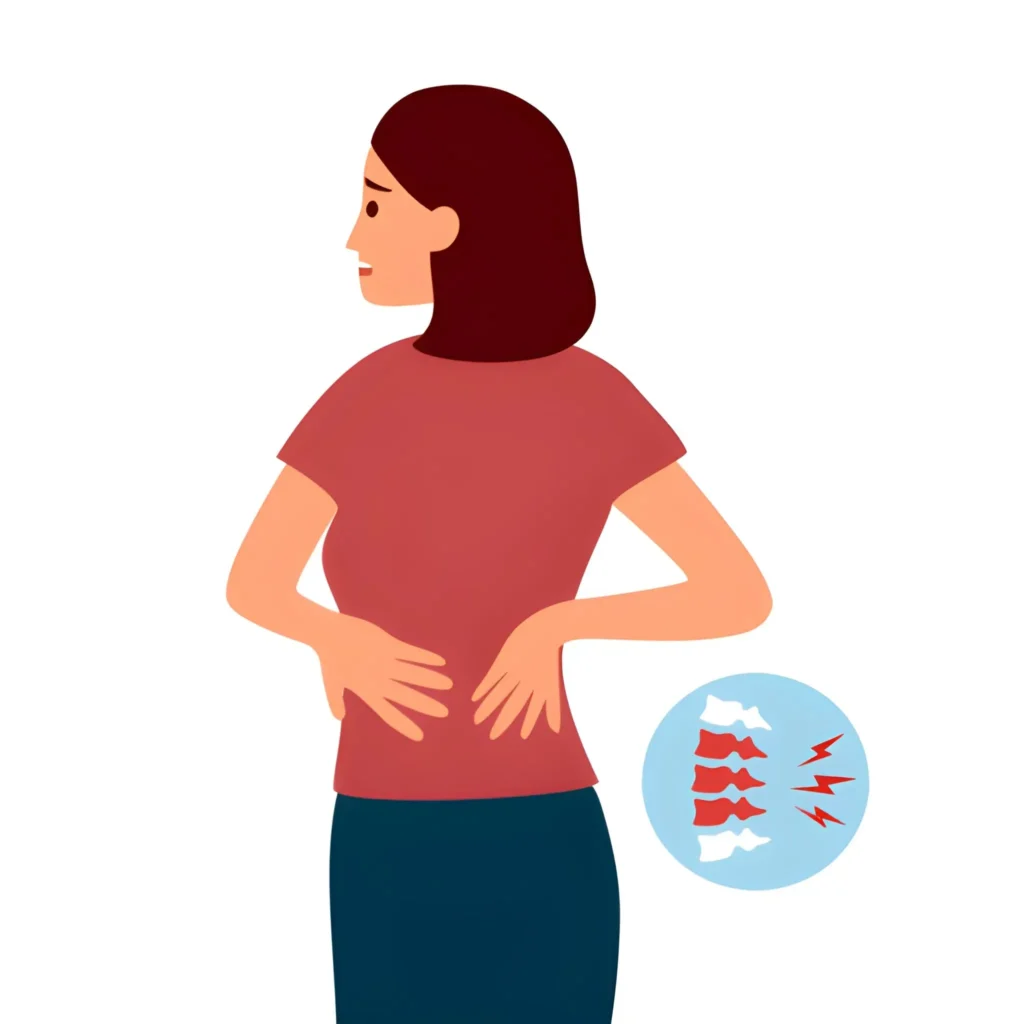
  • Lower back ache: A dull, deep pain across your lower back, often worse when sitting or lying flat
  • Pain on one side: Sometimes the pain sits more on the left or right, depending on where the stool is trapped
  • Pain that radiates down the leg: This feels like sciatica, a shooting or tingling sensation that moves from your lower back into your buttock or thigh

The pain often comes with bloating, cramping, or a feeling of fullness in your stomach. You may also notice you haven’t had a regular bowel movement in a few days.

Dehydration, Gas, and Bloating Pain vs Constipation Pain

It’s easy to confuse different types of stomach and back pain. Here’s how to tell them apart:

  • Gas pain: Sharp, stabbing cramps that move around your abdomen. Usually relieved quickly by passing gas or burping.
  • Bloating pain: A tight, swollen feeling in your stomach. Your belly may look larger than usual. Back pain is mild or absent.
  • Constipation pain: A deep, dull ache in your lower back and pelvis. Often paired with hard stools, straining, and days without a bowel movement.
  • Dehydration pain: General body aches, headache, and tiredness. Constipation may follow, but dehydration affects your whole body, not just your back.

If you’re not sure which type of pain you’re experiencing, a TelehealthDr GP can assess your symptoms and guide you toward the right treatment.

can constipation cause back pain near kidneys

Symptoms of Constipation-Linked Back Pain

Here’s what constipation-related back pain usually looks like. You may experience some or all of these symptoms:

  • Trouble passing stools or going less than three times a week
  • Hard, dry stools that require straining
  • Bloating, cramping, or nausea
  • Pressure or aching in your lower back or pelvis
  • Feeling like your bowel hasn’t fully emptied
  • Pain that improves slightly after a bowel movement

If your back pain or constipation is affecting your work or study, you can request an online medical certificate through TelehealthDr. Our doctors issue valid certificates within minutes after your consultation.

When Constipation Pain Is More Than “Just Constipation”

Sometimes constipation becomes more serious. Watch for these warning signs:

  1. Fecal impaction: This is when stool becomes so hard and stuck that you can’t pass it at all. You may feel severe pressure, pain, or even leak small amounts of liquid stool around the blockage.
  2. Bowel obstruction: A complete blockage in your intestines. Symptoms include severe abdominal pain, vomiting, inability to pass gas, and a swollen belly.
  3. Red-flag symptoms: Fever, blood in your stool, black or tar-like stools, sudden weight loss, or pain so severe you can’t move.

If you notice any of these, contact a doctor immediately or visit an emergency department.

Why Constipation Causes Back Pain:

Understanding why constipation can cause back pain helps you manage it better. The link comes down to anatomy and pressure.

Your bowel and spine sit close together in your abdomen. When your colon fills with stool, it expands. This expansion creates pressure inside your belly. That pressure doesn’t just stay in one place; it pushes outward in all directions.

Here’s the step-by-step process:

  • Pressure on pelvic nerves: Stool buildup presses on the nerves that run through your pelvis. These nerves connect to your lower back, so irritation in one area can cause pain in another.
  • Spinal nerve irritation: The nerves that exit your spine near the lower back (lumbar region) can become compressed or irritated by a distended bowel. This is why constipation can mimic sciatica pain.
  • Gut slowing and muscle stiffness: Constipation often means your digestive system has slowed down. This can happen when you’re inactive, dehydrated, or stressed. When your gut slows, the muscles around your abdomen and back become tense and stiff.

Once your bowel empties and the pressure eases, the back pain usually fades too.

Conditions That Make Constipation Pain Worse

Certain health conditions can make constipation cause back pain more intense or more frequent. Here are the most common ones:

  • Irritable bowel syndrome (IBS): People with IBS often experience constipation alongside bloating and abdominal pain. Back pain is a common secondary symptom.
  • Pregnancy: Hormonal changes during pregnancy slow down your digestive system. The growing uterus also puts pressure on your bowel and spine, which can lead to constipation and lower back pain together.
  • Hormonal changes: Periods, menopause, or conditions like endometriosis can all affect bowel movements and increase pelvic and back pain.
  • Medication side effects: Some medicines, like strong painkillers, antidepressants, or iron supplements, can cause chronic constipation. This often leads to ongoing back discomfort.

If you’re dealing with any of these conditions and your symptoms are getting worse, a telehealth consultation can help you adjust your treatment plan safely.

Home Remedies to Relieve Constipation-Related Back Pain

Most cases of constipation-related back pain respond well to simple home care. Here’s what works:

  • Hydration: Drink a full glass of water now, then keep sipping throughout the day. Water softens stool and helps it move through your system.
  • Fibre: Add more fruit, vegetables, and whole grains to your meals. Fibre makes stools easier to pass and supports regular bowel movements.
  • Walking: Movement helps your gut move, too. A 10-minute walk can ease bloating and relieve pressure on your back.
  • Heat pack: Place a warm heat pack on your lower back for 15 minutes. This relaxes tight muscles and reduces discomfort.
  • Gentle laxatives: Stool softeners or osmotic laxatives (like Movicol or Metamucil) can help if your constipation is stubborn. Avoid strong stimulant laxatives unless advised by a doctor.
  • Abdominal massage: Gently massage your belly in a clockwise direction. This can encourage bowel movement and reduce bloating.

If you may need medication or want a doctor to review the medicines you’re already taking, a TelehealthDr GP can provide online prescriptions and guidance. Your script is sent directly to your local chemist.

What Not to Do:

Some habits make constipation and back pain worse. Avoid these:

  • Skipping water: Tea and coffee don’t count. Your body needs plain water to keep stools soft.
  • Overusing strong laxatives: Using stimulant laxatives too often can weaken your bowel and make constipation worse over time.
  • Holding in bowel movements: Ignoring the urge to go trains your body to slow down. This leads to harder stools and more pain.

When to See a Doctor About Constipation and Back Pain

You should contact a doctor if:

  • Your pain lasts more than 48 hours without improvement
  • You have a fever, vomiting, or severe bloating
  • Your pain is sharp or on one side (this could be kidney-related, not constipation)
  • You haven’t passed stools for more than three days
  • You’re straining heavily, and nothing is helping

It’s also important to rule out kidney pain, which can feel similar to constipation-related back pain. Kidney pain usually sits higher, closer to your ribs, and often comes with urinary symptoms.

Signs You Need Urgent Care

Go to an emergency department or call 000 if you experience:

  • Severe abdominal swelling that’s getting worse
  • Blood in your stool
  • Black or tar-like stools
  • Inability to pass gas or stools for several days
  • Pain so severe you can’t stand or move

These symptoms may indicate fecal impaction, bowel obstruction, or another serious condition that needs immediate attention.

Telehealth Options for Constipation & Back Pain

If your symptoms are not improving or you want a clearer understanding of what’s causing your discomfort, you can book an online GP consultation through TelehealthDr. Our doctors can assess your symptoms, arrange pathology referrals if needed, and guide you safely from home.

Telehealth is especially helpful for constipation and back pain because:

  • You can speak with a GP without leaving home
  • You avoid waiting rooms when you’re uncomfortable
  • You can access care outside regular clinic hours
  • You receive advice from Australian-registered doctors who understand local treatment options

Many Australians in regional areas, busy office workers, and parents also prefer telehealth because it saves time and provides fast access to medical support.

Services You Can Access Through TelehealthDr

When you book a consultation, you can access:

  • Online GP consultation: Discuss your symptoms, medical history, and concerns
  • Online prescription: Receive scripts for stool softeners, laxatives, or pain relief
  • Medical certificate: If you need time off work or study due to your symptoms

All services are delivered by experienced, Australian-registered GPs who provide safe, evidence-based care.

How a Telehealth GP Assesses Constipation-Related Back Pain

During your consultation, your GP will:

  • Review your symptoms: How long have you been constipated? Where is the pain? What makes it better or worse?
  • Check your medical history: Do you have IBS, endometriosis, or take medications that cause constipation?
  • Screen for red flags: Are there any signs of serious complications like bowel obstruction or fecal impaction?
  • Discuss treatment options: Based on your symptoms, your GP may recommend hydration, fibre, gentle laxatives, or further testing.

If needed, your doctor can arrange pathology referrals or recommend imaging to rule out other causes of back pain.

What Happens After the Consultation

Your GP will create a treatment plan that suits your situation. This may include:

  • A prescription sent to your local pharmacy
  • Advice on diet, hydration, and movement
  • A follow-up appointment to check your progress
  • Referral for a physical visit if your symptoms don’t improve

Most people feel better within a few days once treatment begins.

FAQ’s:

Can constipation cause severe back pain?

Yes. Severe constipation, especially fecal impaction, can cause intense lower back pain. The pressure from impacted stool irritates nerves and muscles near your spine.

Can lower back pain be caused by constipation?

Yes. Can lower back pain be caused by constipation? Absolutely. When your bowel is full, it presses on the nerves in your lower back and pelvis, which can trigger pain.

How long does constipation back pain last?

It usually improves within 24 to 48 hours once your bowel movement returns to normal. If pain lasts longer, contact a doctor.

Can dehydration cause constipation and back pain?

Yes. Dehydration makes stools hard and difficult to pass. This leads to constipation, which can then cause back pain.

Can constipation pain feel like kidney pain?

Sometimes. Both can cause lower back pain. Kidney pain is usually higher, near your ribs, and may come with urinary changes. Constipation pain sits lower and comes with bloating and trouble passing stools.

Can constipation cause sciatica pain?

Yes. Can constipation cause back pain and sciatica-like symptoms? It can. Impacted stool can press on the sciatic nerve, causing pain that radiates down your leg.

What helps constipation and back pain quickly?

Drink water, walk for 10 minutes, use a heat pack, and consider a gentle laxative. Most people feel relief within a few hours.

When should I worry about constipation pain?

Contact a doctor if your pain is severe, lasts more than two days, or comes with fever, vomiting, blood in your stool, or inability to pass gas.

Summary:

  • Can constipation cause back pain? Yes, pressure from stool buildup can irritate nerves and muscles in your lower back.
  • Symptoms include dull ache, bloating, cramping, and trouble passing stools
  • Home remedies like water, fibre, walking, and heat packs usually help
  • See a doctor if pain lasts more than 48 hours or if you notice red-flag symptoms
  • TelehealthDr offers online GP consultations, prescriptions, and medical certificates for Australians experiencing constipation and back pain

If you’re unsure about your symptoms or need medical guidance, a TelehealthDr GP is available to help you from home.

Dehydration Headache: Causes, Symptoms & When to See a Doctor Online

A dehydration headache is one of the most common types of headaches Australians experience, especially during hot weather or after physical activity. It happens when your body does not have enough fluids to work properly.

The good news is that most dehydration headaches improve quickly once you rehydrate. Understanding the symptoms and knowing when to seek help can make recovery faster and easier.

If your headache is getting worse or you want medical advice from home, you can speak with an Australian-registered GP online through TelehealthDr.

What Is a Dehydration Headache?

A dehydration headache occurs when your body loses more fluids than you take in. When fluid levels drop, your brain tissue contracts slightly. This pulls the brain away from the skull and triggers pain receptors.

Dehydration also affects blood volume and blood flow to the brain. Lower blood volume means less oxygen reaches your brain cells. This can cause headache pain along with fatigue and dizziness.

An electrolyte imbalance can make things worse. Sodium and potassium levels drop when you sweat heavily or lose fluids through vomiting or diarrhoea. Your body needs these electrolytes to maintain normal nerve and muscle function.

A dehydration headache feels different from a tension headache or migraine. It usually starts slowly and improves with drinking water. Other types of headaches may not respond as quickly to fluids alone.

What Does a Dehydration Headache Feel Like?

The pain from a dehydration headache can appear in different areas of your head. Some people feel it across the front, while others notice it at the back or behind the eyes.

Common Dehydration Headache Locations

  • Front of the head (frontal headache): pressure across your forehead
  • Back of the head (occipital dehydration headache): dull ache at the base of your skull
  • Behind the eyes: deep pressure or soreness
  • One-sided headache: pain on just one side, often near the temple
  • Across the temples: tightness or throbbing on both sides

What a Dehydration Headache Feels Like

Most people describe the pain as a dull ache or pressure. It may feel like a tight band around your head. Some people also notice a throbbing sensation that gets worse when they move, bend over, or stand up quickly.

You might also feel tired, have a dry mouth, or feel slightly dizzy. Morning dehydration headaches are common if you did not drink enough water the day before or if you slept in a warm room.

The pain usually increases with movement and improves when you rest and drink fluids.

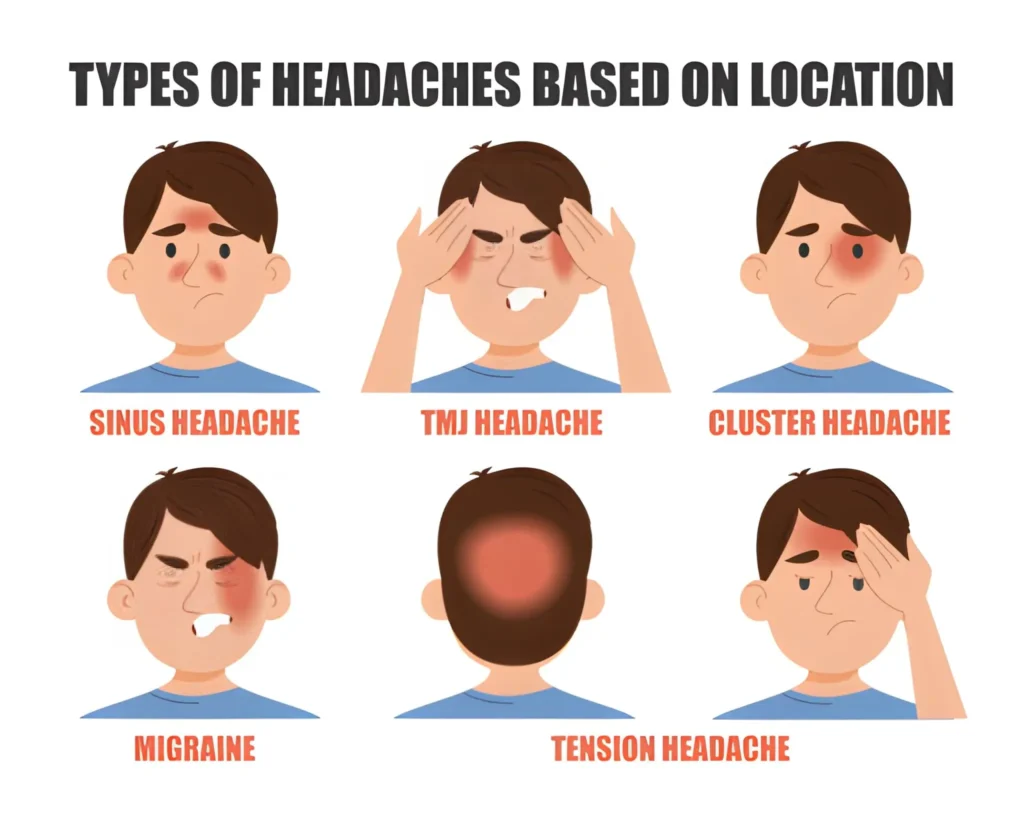
Dehydration Headache Locations

Symptoms of a Dehydration Headache

Symptoms depend on how dehydrated you are. Mild dehydration causes light symptoms, while severe dehydration can become dangerous.

Early Symptoms

  • Thirst
  • Dry mouth
  • Dark yellow urine
  • Mild headache from dehydration

If you notice these signs, drink water slowly and rest. Most people feel better within 30 minutes.

Moderate Symptoms

  • Stronger headache
  • Tiredness and weakness
  • Nausea
  • Muscle cramps
  • Light sensitivity

At this stage, water alone may not be enough. You may need an electrolyte drink or oral rehydration salts like Hydralyte.

Severe Dehydration Symptoms

  • Vomiting along with a headache
  • Confusion or irritability
  • Rapid heartbeat
  • Very dark urine or no urine at all
  • Extreme fatigue

These are red flags. If you or someone else shows these signs, seek medical help immediately.

If your dehydration headache is affecting your work or routine, you can request an online medical certificate through Telehealth Dr.

What Causes a Dehydration Headache?

Dehydration happens for many reasons. Understanding the cause helps you prevent future headaches.

Hot weather and sweating: Australia’s climate increases your risk, especially in summer. Outdoor workers, tradies, and delivery drivers lose fluids quickly.

Not drinking enough water: Many people forget to drink during busy workdays or long study sessions. Your body needs regular water intake to stay hydrated.

Exercise and physical activity: Gym sessions, sports, and running cause heavy sweating. You lose fluids faster than you think.

Diarrhoea and vomiting: Stomach bugs cause rapid fluid loss. Even mild diarrhoea can trigger a dehydration headache within hours.

Drinking alcohol: Alcohol makes you urinate more and reduces your body’s ability to hold onto fluids. A hangover headache is often a dehydration headache.

Caffeine: Coffee and energy drinks increase urination. If you drink caffeine without water, you may become dehydrated.

Breastfeeding: Breastfeeding mothers need extra fluids. A breastfeeding dehydration headache is common if water intake does not increase.

Travel and outdoor work: Long flights, road trips, and outdoor labour all increase fluid loss.

Stress and poor sleep: Stress affects hydration levels. Poor sleep can also reduce your thirst response.

Can Dehydration Cause Headaches and Other Symptoms?

Yes. Dehydration affects your whole body, not just your head.

Common combinations include:

  • Headache and nausea: your stomach struggles when dehydrated
  • Headache and fatigue: low energy is a clear sign
  • Headache and dry mouth: one of the earliest symptoms
  • Headache and diarrhoea: fluid loss from your gut worsens dehydration
  • Morning headaches: often caused by not drinking water overnight

If your headache keeps returning or you feel unwell, seeing a healthcare professional can help you find the cause.

Dehydration Headache vs Migraine vs Tension Headache

It can be hard to tell headache types apart. Here is how they differ.

How to Tell Them Apart

Type Pain Pattern Location Triggers
Dehydration headache Dull, pressure-like Front, back, or behind the eyes Fluid loss, heat
Migraine Throbbing, severe One side of the head Stress, light, food
Tension headache Tight band feeling Across the forehead and temples Stress, poor posture

When Dehydration Triggers a Migraine

If you are prone to migraines, dehydration can trigger an attack. Staying hydrated helps reduce migraine frequency in many people.

Is Your Headache Stress-Related or Dehydration-Related?

Both stress and dehydration cause similar symptoms. Try drinking water first. If the pain improves within 30 minutes, dehydration was likely the cause.

How Long Does a Dehydration Headache Last?

Most dehydration headaches improve within 30 minutes to 2 hours after you rehydrate. Some people feel better in as little as 15 minutes.

If you are severely dehydrated, recovery may take longer. Your body needs time to restore fluid balance and electrolyte levels.

A dehydration headache that lasts for days usually means something else is going on. You may have another condition, or your body may not be absorbing fluids properly.

If your headache does not improve after drinking water and resting, contact a doctor.

If you need medication guidance or a prescription review, you can book an online prescription appointment with a TelehealthDr GP. Your script is sent to your preferred local chemist.

How to Get Rid of a Dehydration Headache

Fast relief comes from rehydration and rest. Follow these steps to feel better quickly.

Rehydration Strategy

  1. Drink water slowly: sip water over 20 to 30 minutes. Drinking too fast can cause nausea.
  2. Add electrolytes: use Hydralyte, sports drinks, or oral rehydration salts if you have been sweating heavily.
  3. Try coconut water: it contains natural electrolytes and is easy on your stomach.
  4. Avoid alcohol and caffeine: both make dehydration worse.
  5. Cool your body: move to a cool room or use a fan. Heat increases fluid loss.

Home Remedies That Help Quickly

  • Cold compress: Place a cool cloth on your forehead or neck
  • Rest in a dark room: light can make headache pain worse
  • Light stretching: Gentle neck stretches can ease tension
  • Avoid screens: phone and computer use can worsen symptoms

Best Painkillers for Dehydration Headache

You can take paracetamol or ibuprofen if the pain is strong. Follow the packet instructions and do not take more than the recommended dose.

Avoid taking painkillers on an empty stomach. Drink water with any medication.

If your headache does not improve after taking painkillers and rehydrating, see a doctor.

When a Dehydration Headache Means Something More Serious

Most dehydration headaches are not dangerous. However, some symptoms need urgent medical attention.

Warning Signs to Watch For

  • Vomiting that stops you from keeping fluids down
  • High fever along with headache
  • Confusion or slurred speech
  • Seizures or fainting
  • Severe headache that comes on suddenly
  • Headache after a head injury

These signs may mean severe dehydration, heat exhaustion, or another medical condition.

When to See a Doctor Online

You should speak with a GP if:

  • You cannot keep fluids down
  • Your headache lasts more than 24 hours despite drinking water
  • You feel faint, dizzy, or confused
  • You suspect heat exhaustion or heatstroke
  • You have other symptoms, like chest pain or vision changes

Telehealth makes it easy to get advice from home without waiting in a clinic.

Dehydration Headache in Special Situations

Some people are at higher risk for dehydration.

Dehydration Headache in Children and Teens

Children lose fluids quickly, especially during sports or outdoor play. Watch for signs like tiredness, irritability, and dry lips. Encourage your child to drink water regularly throughout the day.

Dehydration Headache During Pregnancy

Pregnant women need more fluids than usual. Nausea and vomiting in early pregnancy can cause dehydration. Drink small amounts of water often and contact your doctor if symptoms worsen.

Breastfeeding and Hydration

Breastfeeding increases your fluid needs. Keep a water bottle nearby during feeds. If you notice headaches along with low milk supply, you may need to drink more.

Older Australians and Higher Dehydration Risk

Older adults may not feel thirsty even when dehydrated. They are also more likely to take medications that increase urination. Regular water intake is important, even without thirst.

Treatment for Dehydration Headache

Doctors treat dehydration headaches by restoring your body’s fluid balance.

Your GP may recommend:

  • A hydration plan with specific daily water intake goals
  • Electrolyte replacement drinks or powders
  • A review of medications that may worsen dehydration
  • Blood tests to check sodium and potassium levels
  • Monitor your symptoms over the next few days

Most people recover fully with simple treatment at home.

When You Should Book an Online GP Appointment

An online GP consultation can help if:

  • Your headache keeps coming back
  • You need advice on managing symptoms
  • You want a medical certificate for work or study
  • You need a prescription for pain relief or nausea medication
  • You are unsure whether your symptoms need further tests

TelehealthDr offers fast access to Australian-registered doctors without leaving home.

How a Telehealth GP Can Help You Recover Safely

Online Medical Assessment

Your doctor will ask about your symptoms, fluid intake, and any other health conditions. They can diagnose a dehydration headache during a video consultation.

Online Prescriptions Sent to Your Chemist

If you need medication for pain or nausea, your GP can send a prescription directly to your local chemist.

Online Medical Certificates for Work or Study

If your headache stops you from working or studying, you can request a same-day medical certificate online.

Pathology Referrals

If your doctor suspects an electrolyte imbalance or another condition, they can organise blood tests at a nearby pathology clinic.

FAQ’s:

Can dehydration cause severe headaches?
Yes. Severe dehydration can cause intense pain along with nausea, confusion, and dizziness.

Can a dehydration headache last for days?
It can if you do not rehydrate properly or if another condition is present. See a doctor if your headache lasts more than 24 hours.

Is a dehydration headache dangerous?
Most are not dangerous and improve with fluids. Severe dehydration can lead to serious complications and requires urgent care.

Why do I get a headache when dehydrated?
Fluid loss causes your brain tissue to contract and reduces blood flow. This triggers pain receptors in your head.

What is the fastest way to fix it?
Drink water slowly, add electrolytes if needed, rest in a cool place, and use a cold compress on your forehead.

Does drinking water immediately help?
Most people feel better within 30 minutes to 2 hours after rehydrating.

Summary:

A dehydration headache happens when your body does not have enough fluids. It causes dull pain, pressure, and fatigue. Most cases improve quickly with water and rest.

Watch for warning signs like vomiting, confusion, or severe pain. These symptoms need medical attention.

Stay hydrated by drinking water throughout the day, especially in hot weather or after exercise. If your headache does not improve or keeps returning, speak with a doctor.

If your headache keeps returning or you want personalised medical advice, book an online GP appointment with TelehealthDr. Our Australian-registered doctors help with prescriptions, certificates, and follow-up care all online.


Telehealth vs Telemedicine and Telecare: Key Differences Explained

If you’ve been searching for “telehealth vs telemedicine” or wondering what telecare actually means, you’re not alone. These terms get used a lot, especially since the COVID-19 pandemic changed how we access health services in Australia.

But here’s the thing: they don’t all mean the same thing. And knowing the difference can help you choose the right option for your needs.

Whether you’re a busy worker needing a quick medical certificate, a parent trying to get help for a sick child, or someone living in regional Australia, understanding these three options makes accessing care much easier.

Need quick medical advice from home? Book an online GP consultation through Telehealth Dr and speak with an Australian-registered doctor today.

Key Takeaways:

  1. Telehealth covers all online health services like GP consults, prescriptions, certificates, referrals, and general support.
  2. Telemedicine is doctor-led clinical care delivered through video or phone for diagnosis, treatment, and prescriptions.
  3. Telecare provides home-based monitoring and safety alerts for elderly or long-term care patients.
  4. Choose telemedicine when you need a diagnosis or medication; choose telehealth for certificates, referrals, or everyday medical help.
  5. TelehealthDr offers online GP consults, medical certificates, prescriptions, pathology referrals, and mental health support from Australian-registered doctors.

What Telehealth, Telemedicine, and Telecare Actually Mean

Let’s start with clear definitions. Each term covers different types of care, and understanding them helps you know exactly what you’re getting.

What Is Telehealth? Clear Definition + Real Examples

Telehealth is the broadest term. It covers the entire health system delivered through digital technology.

Think of telehealth as the umbrella that includes everything health-related done online or remotely. It’s not just doctor appointments. Telehealth includes admin tasks, patient education, remote monitoring, health messaging, and clinical services.

Real examples of telehealth services include:

  • Video calls with your GP for diagnosis and treatment
  • Online prescription renewals sent to your local chemist
  • Digital health education programs
  • Remote care plans for chronic disease management
  • Health coaching through apps or messaging
  • Online medical certificates for work or study
  • Pathology referrals arranged through video consults
  • Mental health check-ins via secure platforms

Telehealth basically means any health service delivered using telecommunications technology instead of face-to-face visits.

What Is Telemedicine? Medical Treatment Done Digitally

Telemedicine is more specific. It refers to clinical medical care provided remotely by doctors or nurses.

When you see a GP online for a diagnosis, get a prescription reviewed, or have a mental health consultation via video, that’s telemedicine. It’s the medical treatment part of telehealth.

Telemedicine focuses on:

  • Clinical diagnosis by qualified doctors
  • Prescribing medications based on your symptoms
  • Medical reviews for ongoing conditions
  • Treatment plans for illnesses or injuries
  • GP consultations for acute or chronic health issues

If a healthcare professional diagnoses your condition and prescribes treatment through technology, you’re using telemedicine. It’s direct doctor-patient care, just done digitally instead of in a clinic.

What Is Telecare? Supportive Remote Monitoring & Alerts

Telecare is different again. It focuses on safety, monitoring, and support rather than diagnosis or treatment.

Telecare uses devices and technology to monitor someone’s health or safety at home. It’s often used for elderly Australians, people with disabilities, or those managing chronic conditions.

Examples of telecare include:

  • Wearable health monitors that track heart rate or blood pressure
  • Emergency alert buttons for elderly patients living alone
  • Fall detection devices in homes
  • Remote monitoring systems that send alerts to family members or carers
  • Medication reminder devices
  • GPS trackers for people with dementia

Telecare doesn’t replace medical appointments. It supports ongoing care by keeping track of someone’s condition and alerting carers or health professionals when something changes.

Quick Summary Table: Telehealth vs Telemedicine vs Telecare

Service Purpose Who Uses It Tools Used Examples Main Benefit
Telehealth Full health system online Everyone needs health services Video calls, apps, messaging, digital scripts GP consults, certificates, referrals, and education Convenient access to care
Telemedicine Medical diagnosis & treatment Patients needing clinical care Video consults, phone calls, messaging Prescriptions, chronic disease reviews, mental health consults Direct doctor care remotely
Telecare Safety monitoring & alerts Elderly, disabled, chronic conditions Wearable devices, sensors, and alert systems Fall detection, heart monitors, and emergency buttons Continuous home support

Key Differences Between Telehealth, Telemedicine, and Telecare

Now that you know what each term means, let’s look at the key differences that matter when you’re choosing which service you need.

Purpose and Scope

Telehealth covers the full range of health services delivered digitally. It includes everything from booking appointments online to receiving health education.

Telemedicine focuses specifically on clinical care. It’s the part where a doctor or nurse diagnoses your condition and provides medical treatment.

Telecare focuses on monitoring and support. It doesn’t diagnose or treat conditions, but it helps keep people safe at home and alerts carers when help is needed.

Who Provides the Care (GPs, Nurses, Allied Health)

Telehealth services can be provided by GPs, nurses, allied health professionals, admin staff, and health educators. It’s a team approach to digital healthcare.

Telemedicine is always provided by qualified medical professionals like doctors or registered nurses. You need clinical training to diagnose and prescribe, so telemedicine requires licensed practitioners.

Telecare is often supported by carers, nurses, or family members who monitor the devices and respond to alerts. Medical staff may review the data, but the day-to-day monitoring is usually non-clinical.

Technology Involved

Telehealth uses a wide range of technology, including video platforms, secure messaging, apps, digital scripts, online portals, and email systems.

Telemedicine relies mainly on video calls or phone consultations, where real-time clinical assessment happens. It also uses secure platforms to share medical records and prescriptions.

Telecare uses monitoring devices like wearables, sensors, emergency buttons, GPS trackers, and alert systems that connect to smartphones or monitoring centres.

What Patients Use Each Service For

Australians use telehealth for everyday health needs like getting medical certificates, renewing scripts, arranging pathology referrals, and accessing health information.

They use telemedicine when they need clinical diagnosis, treatment advice, or prescription management from a doctor.

They use telecare when ongoing monitoring and safety support are needed, especially for elderly relatives or people with long-term conditions.

If you need a new script or a medication review, book an online prescription appointment with a Telehealth Dr GP. Your script can be sent to your preferred local chemist.

When Australians Use Telehealth, Telemedicine, and Telecare

Understanding when to use each service makes accessing the right care much simpler.

Telehealth for Convenient Everyday Medical Care

Australians use telehealth services when they need health support without visiting a clinic. It’s perfect for busy workers, parents, students, and anyone who finds travel difficult.

Common situations where telehealth works well:

  • Getting a sick note for work when you have the flu
  • Requesting a medical certificate for study exemptions
  • Arranging pathology referrals for blood tests
  • Reviewing medications with a GP online
  • Getting follow-up care after a hospital visit
  • Accessing mental health support through video consults
  • Receiving health education about managing chronic conditions

Telehealth saves time and makes healthcare more accessible, especially for people in regional or remote areas.

Telemedicine for Clinical Diagnosis and Treatment

You use telemedicine when you need a doctor to diagnose your condition and provide medical treatment.

Situations where telemedicine is ideal:

  • You have symptoms and need a GP to assess them
  • You need a prescription for a new medication
  • Your chronic condition needs regular reviews
  • You want treatment for minor illnesses like UTIs or skin infections
  • You need mental health consultations
  • You’re managing diabetes, asthma, or high blood pressure remotely

Telemedicine gives you direct access to clinical care without the travel. It’s an actual medical treatment delivered through technology.

Telecare for Safety and Long-Term Monitoring

Telecare is used when someone needs continuous monitoring or support at home. It’s especially helpful for elderly Australians, people with disabilities, or those with serious chronic conditions.

Situations where telecare helps:

  • An elderly family member lives alone and needs emergency alerts
  • Someone with heart disease needs daily monitoring
  • A person with dementia needs GPS tracking for safety
  • Post-surgery patients need remote health checks
  • People with mobility issues need fall detection devices

Telecare provides peace of mind for families and helps people stay independent at home longer.

Benefits of Each Option for Australian Patients

Each service offers unique benefits depending on your health needs and situation.

Telehealth Benefits

Telehealth makes healthcare more accessible and convenient for all Australians. You can access care from anywhere, whether you’re at home, work, or travelling.

Key benefits include:

  • No travel time or waiting rooms
  • Access to care in rural and remote areas
  • Flexible appointment times, including evenings
  • Medicare rebates for eligible consultations
  • Quick access to medical certificates and prescriptions
  • Continuity of care through digital medical records
  • Reduced exposure to infections during flu season

Telehealth also makes it easier for people with mobility issues, chronic pain, or busy schedules to get the care they need.

Telemedicine Benefits

Telemedicine gives you direct medical care without leaving home. It’s clinical, professional, and saves significant time.

Main advantages:

  • Fast diagnosis and treatment from qualified Australian GPs
  • Immediate prescriptions sent to your local chemist
  • Medical certificates are issued within minutes
  • Chronic disease management without clinic visits
  • Mental health support in a comfortable, private setting
  • Same high-quality care as in-person appointments
  • Pathology referrals and specialist recommendations

Telemedicine works particularly well for straightforward conditions, repeat prescriptions, and follow-up consultations.

Telecare Benefits

Telecare provides ongoing support and early detection of health problems. It helps people stay safe at home and gives families peace of mind.

Benefits include:

  • Continuous monitoring without hospital stays
  • Early alerts when health changes
  • Reduced hospital admissions for chronic conditions
  • Independence for elderly Australians at home
  • Quick emergency response when needed
  • Support for carers and family members
  • Cost-effective long-term care

Telecare is especially valuable for vulnerable Australians who want to maintain independence while staying safe.

If you need follow-up care or want a doctor to review your symptoms, you can schedule a TelehealthDr review appointment and get guidance from home.

Choosing the Right Option for Your Needs

Which service suits your situation? Here’s how to decide.

When Telehealth Is Your Best Choice

Choose telehealth when you need general health support, information, or administrative services. It’s your go-to for everyday health tasks.

Use telehealth if:

  • You need a medical certificate for work or study
  • You want health education about a condition
  • You’re arranging referrals or pathology tests
  • You need follow-up care after treatment
  • You want medication reviews or repeat scripts

Telehealth covers the full range of health services, so it’s often the starting point for most health needs.

When Telemedicine Is Better for You

Choose telemedicine when you need an actual medical diagnosis and treatment from a doctor. It’s the right option when clinical care is required.

Use telemedicine if:

  • You have symptoms and need a GP to assess them
  • You need a new prescription or treatment plan
  • Your chronic condition needs medical review
  • You want mental health consultations
  • You need clinical advice about an illness or injury

Telemedicine gives you direct doctor care through technology. It’s not just information—it’s actual medical treatment.

When Telecare Is The Right Fit

Choose telecare when ongoing monitoring, safety, or support is needed at home. It’s ideal for elderly relatives or people with long-term health conditions.

Use telecare if:

  • A family member lives alone and needs emergency alerts
  • Someone has a chronic condition that needs daily monitoring
  • You want early warning systems for health changes
  • Post-hospital recovery requires remote check-ins
  • Mobility or cognitive issues make safety monitoring important

Telecare helps people stay independent while ensuring help is available when needed.

Quick decision flow:

  1. Need medical diagnosis or treatment? → Use telemedicine
  2. Need health admin, certificates, or education? → Use telehealth
  3. Need ongoing monitoring or safety support? → Use telecare

How TelehealthDr Supports Telehealth & Telemedicine Services

TelehealthDr provides telehealth and telemedicine services across Australia. Our Australian-registered GPs offer clinical care and health support through secure online consultations.

Online GP Consultations (Clinical Telemedicine)

You can book video or phone consultations with qualified Australian doctors. Our GPs diagnose conditions, provide treatment advice, and manage your ongoing health needs.

These consultations are real medical appointments. You speak with a doctor, discuss your symptoms, receive clinical advice, and get the care you need all from home.

Online Prescriptions (Scripts Sent to Local Chemist)

If you need medication, our GPs can prescribe it during your consultation. Your script is sent directly to your preferred local chemist so that you can collect it without delay.

This works for new prescriptions, repeat scripts, and medication reviews. It’s a convenient way to manage your medications without multiple clinic visits.

Online Medical Certificates (Sick, Work, Carer, School)

Telehealth doctors issue medical certificates for work, study, and carer leave. You can request a certificate during your consultation, and it’s provided within minutes.

Our certificates are accepted by employers, universities, and schools across Australia. They meet all Australian workplace and education requirements.

If your symptoms affect your work or routine, you can request an online medical certificate through TelehealthDr. Our doctors issue sick, work, school, and carer certificates within minutes.

Pathology Referrals and Follow-Up Care

Our GPs can arrange pathology referrals if you need blood tests or other investigations. You receive the referral digitally and can visit any pathology clinic in Australia.

We also provide follow-up consultations to review test results, adjust treatments, and ensure your health is on track.

Mental Health Telehealth Consultations

Mental health support is available through TelehealthDr. Our doctors provide consultations for anxiety, depression, stress, and other mental health concerns.

These appointments are private, confidential, and conducted in a supportive environment. You can access professional mental health care without leaving home.

Common Questions About Telehealth & Telemedicine

Australians often want quick clarity about how telehealth works, who can use it, and what it covers. Here are the most common questions answered simply:

Is telehealth the same as telemedicine?
No. Telehealth covers all digital health services, while telemedicine focuses on doctor-led diagnosis and treatment. All telemedicine is telehealth, but telehealth is broader.

Can telehealth doctors prescribe medicine?
Yes. Australian-registered GPs can prescribe medications through telemedicine consultations, and your script is sent electronically to your local chemist.

Does Medicare cover telehealth GP consults?
Many are. Eligible telehealth consultations attract Medicare rebates when you see an Australian-registered GP and have a valid Medicare card.

Is telehealth safe for medical diagnosis?
Yes, for many common conditions. Some issues still need a physical exam, and your GP will advise when in-person care is necessary.

Can I get a medical certificate through telehealth?
Yes. Doctors can issue sick, work, school, and carer certificates digitally during your consultation.

Can I use telehealth from any state in Australia?
Yes. Telehealth works nationwide across all Australian states and territories with Australian-registered GPs.

If you think you need tests or want to confirm the cause of your symptoms, a TelehealthDr GP can arrange online pathology referrals for you.

What Telehealth Cannot Replace (Limitations You Should Know)

Telehealth and telemedicine are excellent for many situations, but they have limits. Knowing when you need in-person care keeps you safe.

Symptoms That Need In-Person Care

Some symptoms require physical examination or immediate medical attention. Don’t rely on telehealth if you experience:

  • Severe chest pain or difficulty breathing
  • Sudden severe headache or vision changes
  • Heavy bleeding or injuries needing stitches
  • High fever with confusion or stiff neck
  • Severe abdominal pain
  • Signs of stroke or heart attack
  • Broken bones or serious sprains

These situations need emergency care or urgent in-person assessment. Call 000 or visit your nearest hospital.

Conditions That Require Physical Examination

Certain conditions need a doctor to examine you physically. Telehealth can’t fully assess:

  • Unusual lumps or growths needing palpation
  • Skin conditions requiring detailed visual inspection
  • Heart or lung sounds need a stethoscope
  • Abdominal pain needs a physical examination
  • Joint injuries requiring movement assessment
  • Eye problems needing specialised equipment

Your telehealth doctor will tell you if an in-person assessment is necessary.

Red Flags When You Must Visit a Hospital

If you experience any of these symptoms, don’t book a telehealth appointment; go to a hospital immediately:

  • Chest pain or pressure
  • Sudden severe headache
  • Difficulty breathing or shortness of breath
  • Sudden weakness or numbness
  • Loss of consciousness
  • Severe allergic reactions
  • Uncontrolled bleeding
  • Suicidal thoughts or a mental health crisis

Your safety is the priority. Emergencies need emergency care.

How TelehealthGP Appointments Work at TelehealthDr

Understanding the process makes booking and using our service simple.

Step-by-Step: Booking to Follow-Up

Here’s how it works from start to finish:

  1. Book online: Visit the TelehealthDr website and choose your appointment time.
  2. Provide details: Fill in your personal information, symptoms, and medical history.
  3. Confirm booking: You receive a confirmation email with your appointment details.
  4. Join consultation: At your appointment time, join the video or phone call.
  5. Speak with GP: Discuss your symptoms and health concerns with an Australian-registered doctor.
  6. Receive care: Get your diagnosis, treatment plan, prescription, or certificate.
  7. Follow-up: Access your medical records and schedule follow-up appointments if needed.

The entire process is straightforward and secure.

What You Need for Your Appointment (ID, Medicare, History)

To make your consultation smooth, have these ready:

  • Valid photo ID (driver’s licence or passport)
  • Medicare card (if claiming a rebate)
  • List of current medications and doses
  • Brief medical history or relevant conditions
  • Details of your symptoms and when they started

Having this information ready helps your doctor provide accurate care quickly.

How Prescriptions, Certificates, and Results Are Delivered

Everything is delivered digitally for your convenience:

  • Prescriptions: Sent electronically to your chosen chemist within minutes.
  • Medical certificates: Emailed to you immediately after the consultation.
  • Pathology referrals: Delivered digitally so you can book tests straight away.
  • Follow-up notes: Stored securely in your online patient record.

You don’t need to wait for the mail or visit the clinic to collect documents.

If you are unsure about your symptoms and want guidance, book an online GP appointment with TelehealthDr. Our doctors help you understand your condition clearly.

FAQs:

1. Does telehealth provide real medical treatment?

Yes, telehealth offers real medical care through online GP consultations for diagnosis, treatment, and prescriptions.

2. What conditions can telemedicine treat?

Telemedicine treats common issues like colds, UTIs, rashes, anxiety, chronic conditions, minor injuries, and medication reviews.

3. Is telecare used for elderly patients in Australia?

Yes, telecare supports elderly patients with monitoring devices, emergency alerts, and safety tools at home.

4. Can telemedicine replace in-person visits?

Often yes, for non-urgent issues, but some conditions still need physical examination.

5. What are common telecare devices?

Emergency buttons, fall detectors, GPS trackers, BP monitors, glucose monitors, and medication reminders.

Summary:

Let’s recap the key points:

  • Telehealth is the full health system delivered online, including clinical care, admin, education, and support. Use it for everyday health needs, certificates, referrals, and general medical care.
  • Telemedicine is the clinical part where doctors diagnose and treat you remotely. Use it when you need a medical diagnosis, prescriptions, or treatment from a GP.
  • Telecare is ongoing monitoring and support using devices and alerts. Use it for elderly care, chronic conditions, and safety monitoring at home.

Each service has its place. Understanding the difference helps you access the right care for your situation.


Which Vitamin Deficiency Causes Hair Loss? Signs, Causes & When to See a Telehealth GP

Noticing more hair in your brush or shower drain can feel unsettling. Hair loss affects how you feel about yourself and can make everyday routines stressful.

While stress and hormones often get the blame, many Australians don’t realise that vitamin deficiencies are one of the most common yet overlooked causes of hair loss. Your body needs proper nutrition to grow strong, healthy hair. When key vitamins and minerals run low, your hair may thin, shed more easily, or grow back slowly.

The good news is that hair loss from vitamin deficiency is usually reversible. A GP can help identify what your body is missing through simple blood tests and guide you towards safe, effective treatment.

If you’ve noticed hair thinning or shedding, speak to an Australian-registered GP through Telehealth Dr. Our doctors can assess your symptoms and arrange vitamin-level tests online.

Understanding Vitamin Deficiency and Hair Loss

Your hair grows in cycles. Each strand goes through a growth phase, a rest phase, and a shedding phase. This process depends heavily on the nutrients your body absorbs from food.

Hair follicles are some of the most active cells in your body. They need a steady supply of vitamins and minerals to produce keratin, the protein that makes up each strand. When your body lacks essential nutrients, hair follicles struggle to function properly. This can lead to hair loss, slower growth, or brittle texture.

Most people don’t connect their diet to hair health until the problem becomes noticeable. But even mild deficiencies can disrupt the hair growth cycle over time.

Why Vitamins Matter for Hair Growth

Vitamins play a role in cell renewal, blood circulation, and protein formation. Without them, your hair follicles can’t repair damage or create new strands efficiently.

Some of the most important nutrients for healthy hair include:

  • Biotin (Vitamin B7): builds keratin and strengthens hair structure
  • Vitamin D: helps create new hair follicles
  • Vitamin B12: supports red blood cell production and oxygen flow to the scalp
  • Iron: carries oxygen to hair roots through haemoglobin
  • Zinc: supports cell repair and scalp oil balance

When levels of vitamins drop below normal, your hair may show symptoms long before other health issues appear.

Also Read : https://telehealthdr.com.au/is-instant-scripts-legit/

Key Vitamin and Mineral Deficiencies Linked to Hair Loss

Different deficiencies affect hair in different ways. Understanding which vitamin deficiency causes hair loss can help you and your GP identify the right treatment.

1. Biotin (Vitamin B7) Deficiency

Biotin is a B vitamin that helps your body break down fats and proteins. It’s essential for producing keratin, the building block of hair, skin, and nails.

Biotin deficiency is rare because most people get enough from their diet. However, certain medical conditions or long-term antibiotic use can lead to low levels.

Signs of biotin deficiency include:

  • Brittle or thinning hair
  • Weak or cracking nails
  • Fatigue and muscle pain

If you suspect a biotin deficiency, speak with a GP before taking supplements. Too much biotin can affect blood test results and cause other health issues.

2. Vitamin D Deficiency

Vitamin D supports the immune system and helps create new hair follicles. Low vitamin D levels are common in Australia, especially during winter or in people who spend most of their time indoors.

When your body doesn’t have enough vitamin D, hair follicles may enter a resting phase earlier than normal. This leads to thinning hair and slow regrowth.

Signs of vitamin D deficiency include:

  • Hair thinning across the scalp
  • Patchy hair loss
  • Slow or weak regrowth

Can too much vitamin D cause hair loss? Yes. Excess vitamin D can also trigger hair shedding. This is why it’s important to have your levels checked by a GP before starting supplements.

3. Vitamin B12 Deficiency

Vitamin B12 helps produce red blood cells, which carry oxygen to your scalp and hair follicles. Without enough oxygen, hair growth slows down and existing hair may shed more easily.

This deficiency is especially common in vegans, vegetarians, and older adults. It can also occur in people with digestive issues that prevent B12 absorption.

Signs of vitamin B12 deficiency include:

  • Weakness and fatigue
  • Tingling or numbness in the scalp
  • Premature greying or hair thinning

Can B12 vitamins cause hair loss? No. It’s the deficiency that causes hair loss, not the supplement. Taking B12 under GP guidance can help restore healthy hair growth.

4. Iron Deficiency

Iron plays a role in producing haemoglobin, which carries oxygen through your blood. When iron levels drop, your hair follicles don’t get enough oxygen to function properly.

Iron deficiency is one of the most common causes of hair loss in females, especially in women with heavy periods, pregnancy, or low-iron diets.

Signs of iron deficiency include:

  • Hair shedding or thinning
  • Brittle, dry hair
  • Fatigue and pale skin
  • Cold hands and feet

If you’re a woman experiencing hair loss, your GP may check your iron levels as part of a blood test. Iron supplements can help, but they should only be taken under medical advice.

5. Zinc Deficiency

Zinc supports cell repair, immune function, and oil production in the scalp. It also helps your body absorb other nutrients that contribute to hair health.

Zinc deficiency is less common but can occur in people with digestive disorders, strict vegetarians, or those taking certain medications.

Signs of zinc deficiency include:

  • Increased hair shedding
  • Dry, flaky scalp
  • Slow wound healing

Which vitamin deficiency causes hair loss and white hair? Both zinc and B12 deficiencies can contribute to premature greying. Zinc helps maintain hair pigment, while B12 supports healthy cell production.

6. Vitamin C Deficiency

Vitamin C helps your body absorb iron and produce collagen, a protein that strengthens hair strands. It also protects hair follicles from damage caused by free radicals.

Severe vitamin C deficiency is rare in Australia, but mild shortages can still affect hair health.

Signs of vitamin C deficiency include:

  • Dull, fragile hair
  • Dry, rough skin
  • Slow healing of cuts or wounds

For best results, combine vitamin C-rich foods with iron sources. This boosts absorption and supports both hair growth and thickness.

7. Folic Acid (Vitamin B9) and Vitamin A

Folic acid helps your body produce new cells, including those in hair follicles. It’s especially important during pregnancy, when the body’s demand for folate increases.

Vitamin A supports oil glands in the scalp and keeps hair moisturised. However, too much vitamin A can trigger hair shedding, so balance is key.

What does vitamin D hair loss look like? Vitamin D-related hair loss often appears as overall thinning rather than patchy bald spots. It may happen gradually over months and can affect both men and women.

If you’re not sure which vitamin deficiency is causing your hair loss, a TelehealthDr GP can arrange blood tests, review your results, and create a safe treatment plan – all online.

Common Questions About Vitamin Deficiency and Hair Loss

Can Low Magnesium Cause Hair Loss?

Yes. Magnesium helps your body produce protein, which hair follicles need to grow. Low magnesium can weaken hair structure and lead to shedding.

What Is the Best Vitamin for Hair Loss in an Older Woman?

Vitamin D, B12, and iron are especially important for older women. Hormonal changes during menopause increase the risk of deficiencies, which can lead to hair thinning.

Which Hormone Causes Hair Loss in Females?

Oestrogen and thyroid hormones can affect hair growth. Low oestrogen levels during menopause or thyroid imbalances can trigger hair shedding. A TelehealthDr GP can order hormone tests if needed.

What Illness Makes You Lose All Your Hair?

Alopecia areata is an autoimmune condition that causes patchy or total hair loss. Medical conditions like thyroid disorders or lupus can also lead to significant hair loss. Deficiency-related hair loss is usually gradual and reversible with treatment.

Is Losing 300 Hairs a Day Normal?

The average person sheds around 100 hairs per day. Losing 300 hairs daily may indicate a problem such as stress, hormonal changes, or a vitamin deficiency. If this continues for more than a few weeks, speak with a GP.

What Are the Best Shampoos or Supplements for Hair Loss?

Shampoos and supplements can help, but only after identifying the deficiency. A TelehealthDr GP can recommend safe, effective options based on your blood test results.

Hair Loss Due to Vitamin Deficiency – Will It Grow Back?

Yes. Hair loss from a vitamin deficiency is usually reversible once your nutrient levels return to normal.

Recovery takes time. Most people notice improvement within two to three months of starting treatment. Consistency is important, and regular follow-up with your GP ensures you’re on the right track.

If hair doesn’t grow back after several months, your GP may investigate other causes such as hormonal imbalances or medical conditions.

How a Telehealth GP Can Help

Online Assessment and Blood Tests

A TelehealthDr GP can assess your symptoms during an online consultation and refer you for blood tests to check your vitamin and mineral levels.

Blood tests can reveal deficiencies in iron, vitamin D, B12, zinc, and more. Once results are available, your GP will explain what they mean and suggest a treatment plan tailored to your needs.

This process is convenient and can be done from home, no matter where you live in Australia.

Prescription and Ongoing Support

If blood tests confirm a deficiency, your GP can prescribe supplements or recommend dietary changes. Prescriptions are sent directly to your preferred chemist.

TelehealthDr also offers online prescription renewals, making it easy to stay on track with your treatment without repeat clinic visits.

When to Seek Professional Help

You should speak with a GP if:

  • Hair shedding continues for more than three months
  • You notice patchy or sudden hair loss
  • Other symptoms, like fatigue, weakness, or scalp change, accompany hair loss

Early assessment helps prevent further hair loss and ensures any underlying medical conditions are identified.

Hair loss from vitamin deficiency is often reversible with the right care. Book an online consultation with Telehealth Dr today to get personalised GP guidance from home.

Prevention Tips – Keep Hair Healthy Naturally

Balanced Diet

Eating a variety of nutrient-rich foods supports healthy hair growth. Include iron-rich foods like lean meat, spinach, and lentils. Add B12 sources such as eggs, dairy, and fortified cereals.

Which drink stops hair fall? Protein shakes, green smoothies, and staying hydrated with water all support hair health. Proper hydration improves scalp circulation and nutrient delivery.

Manage Stress and Sleep

Stress can push hair follicles into a resting phase, leading to increased shedding. Regular sleep, exercise, and relaxation techniques help reduce stress-related hair loss.

How to tell if hair loss is stress-related? Stress-related hair loss often happens suddenly after a major life event and affects the entire scalp evenly. It usually improves once stress levels decrease.

Regular GP Follow-Up

Routine blood tests every six to twelve months help catch deficiencies early. TelehealthDr makes it easy to stay on top of your health with convenient online consultations and Medicare rebates where applicable.

If you’re worried about ongoing hair loss, TelehealthDr’s Australian GPs can help check vitamin levels, provide prescriptions, and support your recovery all online with Medicare rebates available.

FAQ’s:

Which vitamin deficiency causes hair loss in men?

Vitamin D, B12, iron, and zinc deficiencies can all cause hair loss in men. Male pattern baldness is usually genetic, but nutritional deficiencies can make thinning worse.

Which vitamin deficiency causes hair loss and white hair?

Vitamin B12 and zinc deficiencies are linked to both hair loss and premature greying. These nutrients help maintain hair pigment and support healthy cell production.

Can too much vitamin D cause hair loss?

Yes. Excess vitamin D can disrupt the hair growth cycle and lead to shedding. Always check your vitamin D levels with a GP before taking high-dose supplements.

Does hair grow back after fixing a vitamin deficiency?

Yes. Most people see hair regrowth within two to three months of correcting the deficiency. Consistent treatment and a balanced diet support recovery.

Which vitamins help hair grow thicker and stronger?

Biotin, vitamin D, B12, iron, zinc, and vitamin C all support hair growth and thickness. A balanced diet with these nutrients promotes healthy, strong hair.

Discharge Against Medical Advice: What You Should Know Before Leaving the Hospital

Hospital stays can feel overwhelming. You miss your family, worry about work, or simply want to sleep in your own bed. Sometimes the waiting time feels endless, or you start feeling better and wonder if you really need to stay.

These feelings are completely normal. But if you’re thinking about leaving the hospital before your doctor says you can, it helps to understand what discharge against medical advice means and how it might affect your health.

If you’ve recently left the hospital or are thinking about it, you can still get safe, professional follow-up care from home. Book an online consultation with an Australian-registered GP through TelehealthDr today.

What Does ‘Discharge Against Medical Advice’ (DAMA) Mean?

When patients leave the hospital before their treating doctor officially discharges them, medical staff call this “discharge against medical advice” or DAMA. It’s a formal term that means you chose to go home earlier than recommended.

Simple Definition of DAMA

Discharge against medical advice happens when you decide to leave the hospital while your doctor believes you still need medical care. You make this choice yourself, even though your health care team advises you to stay longer.

In Australia, you have the legal right to leave at any time. Hospitals cannot force you to stay unless specific mental health or legal circumstances apply. Your body, your choice – but that choice comes with some medical risks you should understand.

Why Some People Choose to Leave Early

Many valid reasons drive people to leave the hospital early. You should care for young children at home. Your work situation may be urgent. Public hospitals can involve long wait times, and some patients feel forgotten or frustrated.

Financial concerns matter too. Private hospital costs add up quickly, even with insurance. Others simply feel anxious in hospital settings, struggle with a lack of privacy, or believe they’re recovering well enough to continue at home.

Sometimes life outside the hospital feels more urgent than medical treatment. That’s human, and doctors understand this – even if they don’t recommend it.

What Happens Legally and Medically When You Leave AMA

When you decide to leave, hospital staff will ask you to sign a discharge against medical advice form. This document confirms you understand the risks and chose to leave despite medical advice to stay.

Signing the form is not illegal. It protects your right to make informed decisions about your body. The form also protects the hospital by recording that you were told about potential complications.

Medicare and private insurance generally still cover your hospital stay. However, if complications arise later because you left early, some health services might question whether those issues relate to your early discharge decision.

Also Read : https://telehealthdr.com.au/is-instant-scripts-legit/

Risks of Leaving the Hospital Against Medical Advice

Leaving the hospital early isn’t automatically dangerous, but it does increase certain health risks. Understanding these helps you make safer choices about your recovery.

Potential Health Complications

Your doctor recommends you stay for good reasons. You might have an infection that needs monitoring. Test results might still be pending. Your medication might need adjustment based on how your body responds.

When you leave early, you miss this continuity of care. Conditions can worsen without professional observation. A minor infection can become serious. Pain that seems manageable might signal something your doctor would catch during regular checks.

This doesn’t mean disaster will strike. It means you need to stay alert to your symptoms and seek help quickly if things change.

Medication or Follow-Up Gaps

Hospital discharge planning usually includes clear medication instructions, prescriptions, and follow-up appointments. When you leave against medical advice, this process often gets rushed or incomplete.

You might leave without proper scripts. Instructions about wound care or activity restrictions might be unclear. Referrals to specialists might not happen. These gaps can slow your recovery or create confusion about what you should do at home.

TelehealthDr’s online GP consultations can fill these gaps. An Australian-registered doctor can review whatever discharge paperwork you received and help you understand your medication schedule and recovery plan. If you need ongoing prescriptions, our GPs can also provide online prescriptions to your preferred chemist.

Emotional and Family Stress

Leaving the hospital early often brings mixed feelings. You might feel relieved to be home, but worried you made the wrong choice. Family members might be concerned or upset.

Guilt and anxiety are common after discharge against medical advice. You wonder if every ache means something serious. Sleep becomes difficult. Your loved ones keep asking if you’re okay, which adds pressure.

These emotional effects are real and valid. Talking to a health professional helps relieve this uncertainty and gives you concrete guidance about what’s normal and what needs attention.

If you’ve left the hospital early and feel unsure about your next steps, speak to an Australian-registered GP through Telehealth Dr. Our doctors can review your discharge summary, help you manage medications, and guide your recovery safely from home – with Medicare rebates available.

When to Seek Medical Advice After Leaving the Hospital

Some symptoms after hospital discharge need immediate attention. Others can wait for a routine appointment. Knowing the difference helps you recover safely at home.

Signs You Should Contact a Doctor Immediately

Call 000 or go to your nearest hospital emergency department if you experience:

  • High fever (above 38°C) or chills
  • Severe pain that gets worse or doesn’t respond to medication
  • Heavy bleeding or wound discharge
  • Difficulty breathing or chest pain
  • Confusion, dizziness, or fainting
  • Vomiting that won’t stop
  • Signs of infection around surgical sites (redness, swelling, heat)

These symptoms suggest complications that need urgent medical treatment. Don’t wait or try to manage them alone.

How TelehealthDr’s Online Doctor Consultations Work

TelehealthDr makes medical follow-up simple and accessible. You connect with Australian-registered GPs through a secure video platform from anywhere in Australia – your home, workplace, or even while travelling in remote areas.

You don’t need to travel, wait in busy waiting rooms, or take time off work. Your appointment happens at a time that suits you. Our GPs have the same qualifications and authority as doctors you’d see in person at a medical centre.

Online consultations work especially well for post-discharge check-ups, medication reviews, and assessing recovery progress.

What to Expect in Your Telehealth Doctor’s Appointment

Your online consultation starts like any GP visit. The doctor asks about your symptoms, medical history, and why you left the hospital. Share any discharge paperwork you received – you can photograph it and upload it before the appointment.

The GP will assess whether your recovery is progressing normally. They can order pathology tests, provide online prescriptions, arrange referrals, or issue online medical certificates if you need time off work. If they believe you need in-person care, they’ll tell you clearly and help you access appropriate health services.

Most importantly, they give you peace of mind. You’ll leave the consultation knowing whether you’re on track or need additional support.

How to Make a Safe Transition Home After DAMA

Taking responsibility for your recovery after discharge against medical advice means staying organised and connected to medical support.

Review Your Hospital Paperwork Carefully

Hospitals try to give you discharge papers even when you leave early. This paperwork contains vital information about your diagnosis, treatment received, medications prescribed, and follow-up recommendations.

Read these documents carefully. Look for medication names, doses, and timing. Note any warnings about activities you should avoid. Check whether follow-up appointments were scheduled.

Keep these papers somewhere safe. You’ll need them if you see another doctor or if complications develop. Having clear records makes online GP consultations more effective, too.

Keep a Medication and Symptom Record

Write down every medication you take, including the time and dose. Note how you feel each day – energy levels, pain, sleep quality, and any new symptoms. This simple record helps you notice patterns.

If something worsens, you have concrete information to share with health professionals rather than vague memories. This record also helps you remember to take medications correctly, which is crucial for recovery.

An online GP can review these notes during your consultation and give you specific advice based on your actual progress.

Stay Connected With Medical Support

Recovery doesn’t happen in isolation. Even if you wanted to leave the hospital, you still need medical oversight during the healing process. Regular GP check-ins help catch problems early.

You don’t have to commit to in-person appointments immediately. Start with an online doctor consultation to establish care and get professional reassurance. Your GP can guide you through recovery stages and let you know when in-person visits become necessary.

This connection gives you confidence and safety without the pressure of hospital admission.

Patient Rights and Responsibilities in Australia

Understanding your rights helps you make informed decisions. Knowing your responsibilities helps you stay safe.

Your Right to Leave

Australian law protects patient autonomy. You can refuse medical treatment at any time. You can leave any health care setting whenever you choose. Hospitals must respect your decision, even if they disagree medically.

This right exists because your body belongs to you. Doctors give advice and recommendations, but you make the final choices about your care. Informed consent works both ways – you can also give informed refusal.

Exceptions exist for mental health patients in acute care settings or people who lack the capacity to make decisions. Otherwise, your right to leave is absolute.

Your Responsibility to Stay Informed

Rights come with responsibilities. When you choose to leave against medical advice, you accept responsibility for managing the risks. This means staying informed about your condition and seeking appropriate follow-up care.

You’re responsible for monitoring your symptoms, taking prescribed medications correctly, and contacting health professionals when problems arise. You can’t blame the hospital later if complications develop because you left early and didn’t seek proper ongoing care.

Being responsible doesn’t mean facing recovery alone. It means using available resources – like online GP services – to support your healing safely at home.

FAQ’s:

What happens if I leave the hospital against medical advice in Australia?

You’ll be asked to sign a form confirming you understand the risks. Hospital staff will provide whatever discharge information they can prepare quickly. You can still access Medicare-funded follow-up care through your regular GP or online doctor services. The hospital documents your decision but cannot stop you from leaving.

Can I still get follow-up care after leaving the hospital early?

Yes. You can book appointments with your regular GP or use online doctor consultations for convenient follow-up care. TelehealthDr’s Australian-registered GPs can review your hospital discharge summary, monitor your recovery, and provide prescriptions or referrals as needed. Leaving the hospital early doesn’t prevent you from accessing medical support.

Will Medicare cover my online GP appointment?

Yes. Medicare covers eligible online consultations with Australian-registered doctors. You’ll receive the same Medicare rebate as standard GP visits. TelehealthDr offers bulk billing options for eligible patients, so check with us about any gap fees that might apply to your situation.

Can I get a medical certificate after DAMA discharge?

Yes. TelehealthDr’s GPs can issue online medical certificates based on your condition and recovery needs. The doctor will assess your situation during the consultation and provide appropriate documentation for your employer. Leaving the hospital against medical advice doesn’t affect your ability to receive sick leave certificates.

Is it safe to manage recovery at home after leaving the hospital?

It depends on your specific condition and health status. Some situations can be safely managed at home with proper medical oversight through online or regular GP visits. Other conditions need hospital-level care. An online GP consultation helps you understand whether home recovery is appropriate for your situation and what warning signs to watch for.

Conclusion:

You have the right to make your own health care decisions. Discharge against medical advice is legal and sometimes necessary for personal or family reasons. What matters most is staying informed and managing the transition safely.

Leaving the hospital early doesn’t mean abandoning your health. It means taking responsibility for your recovery with proper medical support. Even from home, you can access professional care that monitors your progress and catches problems early.

Your recovery matters. Your concerns matter. And professional guidance helps you heal with confidence and safety.

If you’ve been discharged against medical advice or are recovering at home, you don’t have to manage it alone. Book an online consultation with TelehealthDr today and get safe, professional care from an Australian-registered GP – right from your home, anywhere in Australia.

Natural Remedies for Hay Fever: Safe Remedies & When to See a Telehealth GP

If you wake up with a blocked nose, itchy eyes, and constant sneezing every spring, you’re not alone. Hay fever affects millions of Australians each year, especially during high-pollen months. Many people prefer to start with natural remedies for hay fever before reaching for medication. The good news is that simple, safe steps can bring real relief and when symptoms don’t improve, help is just a click away.

Suppose your hay fever symptoms last longer than usual or disrupt your daily life. In that case, you can book an online Telehealth consultation with an Australian-registered GP and get medical advice from home.

What Is Hay Fever & Why Do People Search for Natural Remedies for Hay Fever

Hay fever, also known as allergic rhinitis, happens when your immune system overreacts to airborne allergens like pollen, dust mites, or pet dander. Your body releases histamine to fight these harmless particles, which causes the uncomfortable symptoms you experience.

Hay Fever Symptoms and Allergic Reactions

Common hay fever symptoms include:

  • Runny or blocked nose
  • Sneezing fits that won’t stop
  • Itchy, watery eyes
  • Scratchy throat or ears
  • Fatigue and trouble concentrating

These allergic reactions can range from mild annoyance to severe discomfort that affects your work, sleep, and overall quality of life.

Common Australian Triggers Causing Hay Fever Symptoms

Australian hay fever sufferers face unique triggers depending on where they live:

  • Spring pollen: Grass and tree pollen peak between September and November across NSW, Victoria, and Queensland.
  • Dust mites: Common in humid coastal areas and poorly ventilated homes.
  • Pet dander: Cat and dog hair can trigger year-round symptoms.
  • Mould spores: Thrive in damp bathrooms, basements, and after heavy rain.

Knowing your triggers helps you manage symptoms before they start.

Why Natural Remedies for Hay Fever Are Becoming Popular

Many Australians prefer natural remedies for hay fever because they want to avoid the side effects of antihistamines, such as drowsiness or dry mouth. Natural options also support long-term immune health and reduce your exposure to allergens without relying solely on medication. These remedies work best when combined with smart lifestyle changes.

Also Read : https://telehealthdr.com.au/is-instant-scripts-legit/

Best Natural Remedies for Hay Fever You Can Try at Home

You don’t need a complicated routine to feel better. These natural remedies for hay fever are safe, effective, and easy to fit into your daily life.

Reduce Allergen Exposure to Prevent Hay Fever Flare-Ups

The simplest way to manage hay fever is to reduce your exposure to allergens:

  • Keep windows closed on high-pollen days and use air conditioning instead.
  • Shower and wash your hair before bed to remove pollen from your skin and hair.
  • Dry your clothes indoors rather than outside, where pollen can stick to fabric.
  • Use a vacuum cleaner with a HEPA filter to trap dust mites and pet dander.
  • Consider an air purifier in your bedroom to filter allergens while you sleep.

Small changes like these can significantly reduce allergy symptoms without any medication.

Nasal Rinses and Saline Sprays as Natural Remedies for Hay Fever

Nasal irrigation is one of the most effective natural remedies for hay fever. A saline nasal rinse flushes out pollen, dust, and mucus from your nasal passages.

  • Use a neti pot or saline spray twice daily during pollen season.
  • Mix one teaspoon of salt with 500ml of boiled and cooled water.
  • Rinse gently—this clears nasal congestion and reduces inflammation naturally.

Saline sprays are safe for daily use and work well for children and adults alike.

Gut-Health and Diet-Based Natural Remedies for Hay Fever

Your gut health plays a bigger role in allergies than you might think. A healthy gut supports your immune system and may reduce allergic reactions over time.

  • Probiotics: Eat yoghurt, kefir, sauerkraut, or take a daily probiotic supplement to support gut bacteria.
  • Quercetin-rich foods: Apples, onions, berries, and green tea contain quercetin, a natural antihistamine that may reduce inflammation.
  • Omega-3 fatty acids: Salmon, walnuts, and flaxseeds help lower inflammation and support immune function.
  • Local honey: Some people find that eating a teaspoon of local honey daily helps their body adapt to local pollen, though research is still limited.

A balanced diet rich in fresh vegetables, fruits, and whole grains strengthens your body’s natural defences.

Herbs and Supplements Used as Natural Remedies for Hay Fever

Certain herbs and supplements have shown promise in managing hay fever symptoms:

  • Vitamin C: Acts as a natural antihistamine and may reduce sneezing and nasal congestion. Aim for 1,000mg daily during pollen season.
  • Butterbur: May help reduce nasal inflammation, but choose a PA-free version to avoid liver damage.
  • Stinging nettle: Known for its anti-inflammatory properties and available as tea or capsules.
  • Eucalyptus oil: Inhale steam with a few drops of eucalyptus oil to open nasal passages and ease breathing.

Always check with your GP or chemist before starting new supplements, especially if you take other medications.

Lifestyle Changes That Support Natural Hay Fever Relief

Beyond remedies, simple lifestyle adjustments can help you stay symptom-free:

  • Wear wraparound sunglasses outdoors to protect your eyes from pollen.
  • Apply a small amount of petroleum jelly inside your nostrils to trap pollen before it enters your nose.
  • Stay hydrated—drinking plenty of water thins mucus and keeps nasal passages moist.
  • Avoid alcohol during high-pollen days, as it can worsen nasal congestion and inflammation.

These small habits make a big difference when practised consistently.

When Natural Remedies for Hay Fever Are Not Enough

Natural remedies work well for mild to moderate hay fever, but they don’t replace medical advice when symptoms persist or worsen. If you’ve tried multiple remedies and still struggle with constant sneezing, nasal congestion, or itchy eyes, it’s time to speak to a GP.

Natural remedies can provide great relief, but if your sneezing, congestion, or itchy eyes continue for more than a few days, it may be time to consult a GP. Telehealth Dr lets you speak to an Australian-registered doctor online no clinic visit needed.

what are natural remedies for hayfever

When to See a GP Online for Hay Fever Treatment

Sometimes, natural remedies alone aren’t enough to manage hay fever symptoms. Knowing when to seek professional help ensures you get the right treatment quickly.

Red Flag Symptoms That Need Professional Help

See a GP if you experience:

  • Severe nasal congestion that doesn’t improve with saline rinses or decongestants
  • Persistent headaches or facial pain could indicate a sinus infection
  • Difficulty breathing or wheezing, which may signal asthma
  • Symptoms that interfere with sleep, work, or daily activities for more than two weeks
  • No improvement despite trying multiple natural remedies

These signs suggest your hay fever needs stronger treatment or further investigation.

How Telehealth GPs Help Manage Persistent Hay Fever

An online GP consultation offers fast, convenient access to medical care without leaving home. During your Telehealth appointment, your GP can:

  • Review your symptoms and medical history
  • Recommend prescription antihistamines, nasal sprays, or other medications
  • Refer you to an allergist for allergy testing if needed
  • Provide a Online Medical Certificate if hay fever symptoms affect your work or study

Telehealth appointments are especially helpful for busy professionals, parents, or people in rural areas with limited clinic access.

Benefits of Telehealth Consultations for Hay Fever Patients in Australia

Telehealth offers several advantages for managing hay fever:

  • Convenience: Book appointments that fit your schedule, even outside business hours.
  • No travel: Skip the waiting room and see a GP from your phone, tablet, or computer.
  • Fast prescriptions: Get scripts sent directly to your local chemist.
  • Accessible care: Perfect for regional Australians in areas like the Hunter Region, Central Coast, or rural Victoria.

Telehealth makes it easier to stay on top of your symptoms without disrupting your routine.

What to Expect During an Online Consultation for Hay Fever

A Telehealth GP consultation is simple:

  1. Book your appointment online and choose a time that suits you.
  2. Join the video call from your device no special software needed.
  3. Discuss your symptoms, triggers, and what remedies you’ve already tried.
  4. Receive a treatment plan, prescription, or referral if necessary.

Most consultations last 10-15 minutes, and you’ll have a clear plan for managing your hay fever symptoms.

Preventing Future Hay Fever Seasons Naturally

Prevention is always better than treatment. With a few smart habits, you can reduce the severity of hay fever symptoms in future seasons.

Track Pollen Forecasts and Plan Outdoor Activities Smartly

Check daily pollen counts on weather apps or websites before heading outside. On high-pollen days:

  • Stay indoors during early morning and late afternoon when pollen levels peak.
  • Avoid mowing the lawn or doing outdoor chores.
  • Keep car windows closed while driving.

Planning around pollen forecasts helps you avoid unnecessary exposure.

Optimise Your Home Environment for Hay Fever Prevention

Make your home a low-allergen zone:

  • Wash bedding weekly in hot water to kill dust mites.
  • Remove heavy curtains and carpets that trap pollen and dust.
  • Keep pets out of bedrooms if pet dander triggers your symptoms.
  • Use exhaust fans in bathrooms and kitchens to reduce mould growth.

A clean, allergen-free home reduces symptoms year-round.

Schedule Regular GP Check-Ins and Allergy Reviews

Even if your symptoms improve, regular check-ins with your GP help you stay ahead of hay fever. Your doctor can adjust your treatment plan, recommend allergy testing, or suggest allergy shots for long-term relief.

If you prefer convenience, you can book regular Online Doctor Consultation appointments to monitor your progress without visiting a clinic.

FAQs

Do natural remedies for hay fever really work?

Yes, many natural remedies like saline rinses, quercetin-rich foods, and reducing allergen exposure can effectively reduce hay fever symptoms. However, results vary, and severe cases may need prescription treatment.

Can I use vitamin C for hay fever relief?

Vitamin C acts as a natural antihistamine and may help reduce sneezing and nasal congestion. Taking 1,000mg daily during pollen season is generally safe for most people.

How long does it take for natural remedies to work?

Some remedies, like nasal rinses, provide immediate relief. Others, like probiotics or dietary changes, may take several weeks to show results. Consistency is important.

Are natural remedies safe for children?

Most natural remedies like saline sprays, probiotics, and dietary changes are safe for children. Always consult your GP or chemist before giving supplements or herbs to kids.

When should I see a GP instead of relying on natural remedies?

If your symptoms persist for more than two weeks, interfere with sleep or daily life, or don’t improve with natural care, it’s time to consult a GP for professional treatment.

Conclusion

Natural remedies for hay fever offer safe, effective relief for many Australians struggling with seasonal allergies. Simple steps like reducing allergen exposure, using saline rinses, eating anti-inflammatory foods, and optimising your home environment can significantly improve your symptoms.

However, natural care works best when combined with professional support. If your hay fever symptoms persist despite your best efforts, don’t wait for relief.

If your hay fever persists despite natural care, speak to a Telehealth GP online. Fast, safe, and accessible across Australia, book your consultation today and get the treatment you need from home.

Book online (1300) 998-808