
Strep Throat Without Tonsils: Is It Still Possible?
Many people who have had their tonsils removed assume they cannot get strep throat. This is a common misconception. Strep throat is a bacterial infection that affects the throat lining,...
Reviewed by Dr. faisal khan (MBBS, FRACGP, FAMAC) - Consult Now
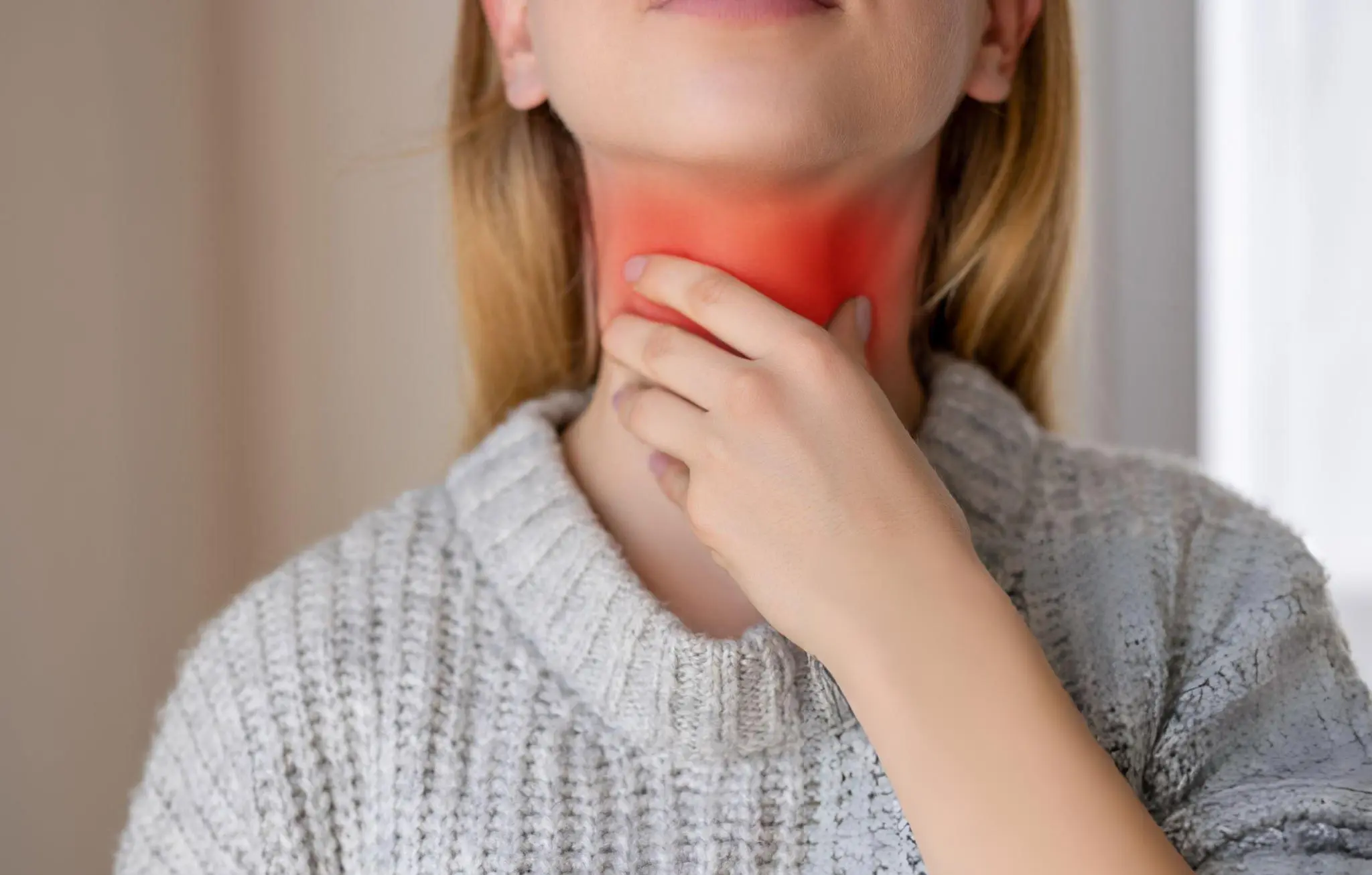
Many people who have had their tonsils removed assume they cannot get strep throat. This is a common misconception. Strep throat is a bacterial infection that affects the throat lining, not just the tonsils.
Understanding whether strep throat can occur after tonsillectomy matters for several reasons. It affects decisions about testing, antibiotics, and when to seek medical assessment. Parents of children without tonsils and adults experiencing throat pain need accurate information to respond appropriately.
If you are experiencing a sore throat and are unsure whether it could be strep, a telehealth doctor can assess your symptoms and advise whether testing or treatment is needed.
Quick Answer
Yes, strep throat can occur without tonsils. The infection is caused by Group A Streptococcus, which infects the pharynx and the throat lining. Tonsils are one area where this bacteria can attach, but they are not the only vulnerable tissue. Removing the tonsils may reduce the frequency of some throat infections, but it does not eliminate the risk of streptococcal pharyngitis.
For personalised advice based on your symptoms and history, you can book a telehealth appointment with an Australian-registered GP.
What Strep Throat Is
Strep throat is a bacterial infection caused by Group A Streptococcus. The medical term is streptococcal pharyngitis. This infection affects the pharynx and surrounding throat tissues.
Pharyngitis refers to inflammation of the throat. Tonsillitis refers specifically to inflammation of the tonsils. These terms are sometimes used interchangeably, but they describe different locations. A person can have pharyngitis without having tonsils.
Also Read : https://telehealthdr.com.au/strep-throat-vs-sore-throat-how-to-tell-the-difference/
Why You Can Still Get Strep Without Tonsils
The tonsils are part of the lymphoid tissue in the throat, but they are not the only tissue that can become infected. After tonsillectomy, the posterior pharyngeal wall, soft palate, and other throat tissues remain. Group A Streptococcus can attach to these areas and cause infection.
Tonsillectomy may reduce the frequency of throat infections for some people. Research suggests this reduction is often modest and temporary. The surgery does not provide immunity from bacterial throat infections.
The bacteria spread through respiratory droplets. They can infect anyone with throat tissue, regardless of whether tonsils are present. The immune system and overall health play a greater role in infection risk than the presence of tonsils alone.
Symptoms of Strep Throat After Tonsillectomy
People without tonsils may still experience:
- Severe sore throat
- Painful swallowing
- Fever
- Swollen neck glands (cervical lymph nodes)
- Red throat
- White patches in the throat (on the remaining pharyngeal tissue)
- Headache
- Nausea (more common in children)
These symptoms overlap substantially with those of viral sore throats. Clinical assessment and testing help determine whether the infection is bacterial or viral. Antibiotics only help bacterial infections.
If these symptoms are familiar, a telehealth physician can review your condition and help determine whether a throat swab or further testing is appropriate.
Strep Throat vs Viral Sore Throat
Viral sore throats are more common than bacterial ones. Antibiotics do not help viral infections. Using antibiotics unnecessarily contributes to antibiotic resistance.
Symptoms more suggestive of strep throat include sudden onset, high fever, severe throat pain, swollen and tender neck glands, and absence of cough. Symptoms more suggestive of viral infection include cough, runny nose, hoarseness, and a gradual onset.
These patterns are not absolute. Testing provides clearer information than symptoms alone.
Because viral and bacterial throat infections can feel similar, a telehealth GP can help determine whether antibiotics are likely to be effective or if supportive care is more appropriate.
How Doctors Confirm Strep in Australia
Throat swab testing
A throat swab collects bacteria from the back of the throat and tonsil area (or the equivalent area if tonsils are absent). The sample is sent to a pathology lab for testing. This confirms the presence of Group A Streptococcus.
Rapid tests vs lab testing
Rapid antigen detection tests can provide results within minutes. These tests are useful but less sensitive than lab culture. A laboratory culture may still be obtained despite a negative rapid test if clinical suspicion remains high. Lab testing takes longer but offers more definitive results.
Why a clinical assessment still matters
Test results should be interpreted in the context of symptoms, exposure history, and physical examination findings. A GP examination helps identify swollen glands, throat redness, and other clinical signs. Differential diagnosis considers other possible causes of throat pain.
A telehealth appointment allows a GP to assess your symptoms and issue a pathology referral for a throat swab when clinically appropriate.
Treatment Options
Treatment depends on whether strep is confirmed and the severity of symptoms. Decisions about antibiotics require clinical assessment.
If strep is confirmed
Antibiotics may be prescribed when strep throat is confirmed and clinically appropriate. Penicillin or amoxicillin are commonly used options in Australia. The GP will determine suitability based on individual factors, including allergies and medical history.
Antibiotics reduce symptom duration, lower the risk of transmission, and help prevent complications. They should be taken as prescribed, even if symptoms improve.
Symptom relief while you recover
Supportive care helps manage discomfort:
- Drink plenty of fluids
- Rest as needed
- Use simple pain relief as appropriate
- Try warm fluids or throat lozenges
- Avoid irritants like smoke
These measures provide comfort but do not treat the infection itself.
If strep is confirmed or symptoms worsen, a telehealth doctor can review your results and discuss treatment options, including antibiotics when clinically justified.
How Contagious Is Strep Without Tonsils?
Contagiousness depends on the presence of bacteria in the throat, not on the presence of tonsils. Group A Streptococcus spreads through respiratory droplets from coughing, sneezing, or close contact.
People with strep throat are most contagious before treatment starts and during the first 24 to 48 hours of symptoms. Starting antibiotics reduces contagiousness within about 24 hours.
Practising good hygiene helps reduce the spread of infection. This includes covering coughs and sneezes, washing hands frequently, and avoiding sharing utensils or drinks. Children should stay home from school until they have been on antibiotics for at least 24 hours and their fever has resolved.
Can Streptococcus Come Back After Tonsillectomy?
Recurrent throat infections can occur after tonsillectomy. Tonsillectomy may reduce the frequency of infections in some individuals, but it does not eliminate the risk.
Strep throat may seem to return for several reasons:
- Repeated exposure in households, schools, or childcare settings
- The infection was actually viral, not strep
- Incomplete treatment or antibiotic non-compliance
- Reinfection from a different exposure
Some people remain strep carriers. They have bacteria present without active infection. Carriers typically do not require treatment unless they develop symptoms or repeatedly expose vulnerable individuals.
Recurrent throat infections can be confusing. A telehealth GP can review your history and help plan next steps or further investigation if needed.
When to Get Urgent Medical Help
Most sore throats improve with time and appropriate care. Some symptoms require urgent assessment:
- Trouble breathing or severe difficulty swallowing
- Drooling or inability to swallow fluids
- Severe dehydration (reduced urination, extreme thirst, dizziness)
- Significant neck swelling
- High fever with rapidly worsening condition
- Confusion or extreme drowsiness
These symptoms may indicate complications or conditions requiring emergency care. Contact emergency services or go to the nearest emergency department.
For non-urgent concerns or follow-up after symptoms settle, a telehealth appointment can help you understand what to monitor next.
Telehealth and Next Steps
Telehealth appointments can help assess throat symptoms, provide clinical advice, and determine whether in-person testing is needed. A GP can review symptoms, medical history, and exposure risk during a telehealth consultation.
In-person review may be needed for throat examination, throat swab collection, or assessment of severe symptoms. The GP will advise based on your individual situation.
Prepare for your appointment by noting:
- When symptoms started
- Fever patterns and temperature readings
- Pain severity and swallowing difficulty
- Known exposure to strep throat
- Current medications and known allergies
- Previous throat infections and treatments
This information helps the GP provide more accurate advice.
FAQs
Can you get strep throat without tonsils?
Yes. Strep throat is caused by bacteria that infect the pharynx and throat lining. Tonsils are one location where infection can occur, but the bacteria can affect other throat tissues that remain after tonsillectomy.
What does strep look like without tonsils?
The throat may appear red and inflamed. White patches or spots can appear on the posterior pharyngeal wall or other throat tissues. The appearance can vary, and diagnosis should not rely on visual inspection alone.
Do you still need a throat swab if you have no tonsils?
Yes, if strep is suspected. A throat swab collects bacteria from the pharynx and surrounding areas. The test works regardless of tonsillar presence. Clinical assessment determines when testing is appropriate.
Is strep throat contagious after tonsillectomy?
Yes. Contagiousness depends on bacterial presence in the throat, not tonsil presence. People with strep remain contagious until they have been on appropriate antibiotics for about 24 hours.
How can I tell strep from a viral sore throat?
Symptoms overlap significantly. Sudden high fever, severe throat pain, and swollen neck glands suggest strep. Cough, runny nose, and gradual onset suggest viral infection. Testing provides more reliable information than symptoms alone.
When should I see a doctor urgently?
Seek emergency care for trouble breathing, severe swallowing difficulty, drooling, significant dehydration, extreme neck swelling, or high fever with rapidly worsening symptoms. These may indicate serious complications.
If your situation is not covered here, a telehealth doctor can provide advice tailored to your symptoms.
Summary
Strep throat can occur in people without tonsils because the infection affects the pharynx and throat lining, not just the tonsils. Symptoms include a severe sore throat, fever, painful swallowing, and swollen lymph nodes.
Testing helps distinguish strep from viral infections. Antibiotics are appropriate when strep is confirmed and clinically indicated. Most throat infections improve with rest, fluids, and symptom management.
Seek urgent care for severe symptoms, including breathing difficulty or inability to swallow. For routine assessment and advice, a GP consultation provides appropriate guidance.
If you are experiencing ongoing throat symptoms or are unsure whether strep testing is needed, a telehealth appointment provides a convenient way to consult an Australian-registered GP and access guidance, testing referrals, or treatment when appropriate.