
Can I get an online radiology referral fast via telehealth?
Getting to a GP clinic can be difficult when you are in pain or have limited mobility. Some people also live far from their usual doctor or struggle to attend...
Reviewed by Dr. faisal khan (MBBS, FRACGP, FAMAC) - Consult Now
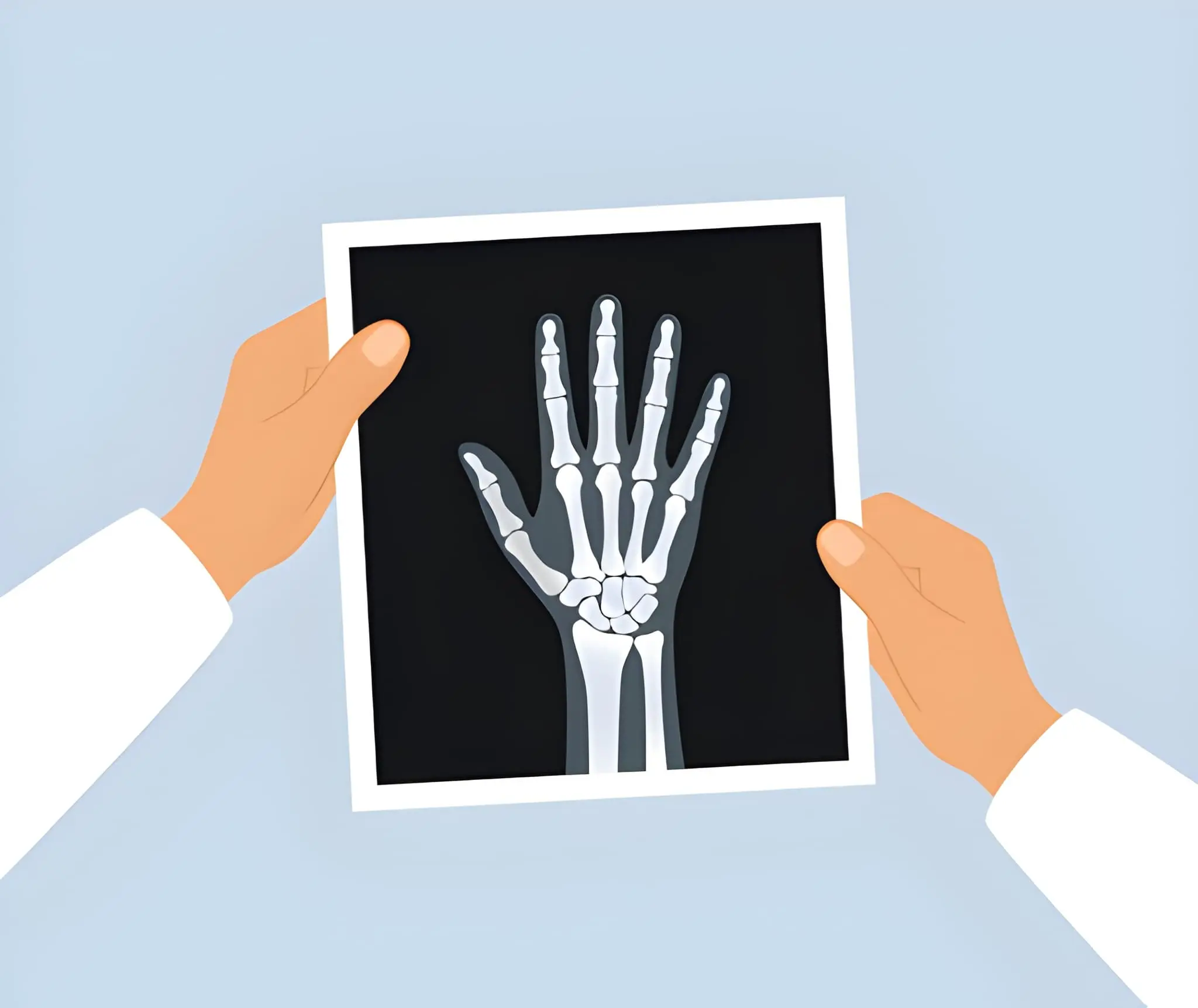
Getting to a GP clinic can be difficult when you are in pain or have limited mobility. Some people also live far from their usual doctor or struggle to attend appointments during work hours.
Telehealth dr makes access to medical imaging referrals possible from home.
Can you get a radiology referral online through telehealth?
Yes, in many cases. Telehealth doctors can assess your symptoms by phone or video and issue a radiology referral when medical imaging is clinically appropriate. Telehealth follows the same medical standards as in-clinic care. The only difference is that the consultation happens remotely.
If you are unsure whether imaging is needed, a GP can review your symptoms through telehealth and advise on the next step.
Can you get a radiology referral online in Australia?
Yes, in many cases you can get an online radiology referral through telehealth. Here’s what applies:
- A GP assesses your symptoms during an online doctor consultation before issuing any referral
- The type of medical imaging depends on what the doctor finds clinically necessary
- Medicare rules still apply, you need a valid doctor-issued radiology referral online
- Some urgent or complex cases require in-person care instead of telehealth
- Search results may show various providers, but the referral process stays the same across Australia
What is a radiology referral ?
A radiology referral is a written request from your referring doctor to a radiology service. It tells the imaging clinic what scan is needed and why. The referral ensures Medicare recognises the test. It also means results go back to the doctor who requested it. Radiology referrals in Australia must follow Medicare and national diagnostic imaging guidelines.
Medical imaging can include several scan types. X-ray is one imaging option. Others include CT scan, ultrasound, and MRI. The referring doctor chooses based on your symptoms and medical history. You don’t pick the scan type yourself.
The radiology service needs this referral before they book you in. Without it, Medicare won’t cover the test. Some private clinics might still scan you, but you’ll pay full price.
Also Read : https://telehealthdr.com.au/x-ray-referral-online/
When people search “radiology referral online fast”
People look for fast access to imaging for genuine reasons. These situations come up often:
- Ongoing joint or back pain that hasn’t improved with initial treatment
- Symptoms that have persisted or worsened over weeks
- Follow-up imaging after surgery or earlier injury
- A specialist asked you to arrange imaging through your GP first
- You live regionally and GP appointments are booked out for days
- Limited mobility makes getting to a clinic hard
Long tail keywords like “same-day” or “urgent” appear in search volume data because people need answers quickly. But speed depends on clinical appropriateness. Not every symptom needs immediate imaging.
A telehealth GP can review your symptoms and decide if an imaging referral is needed.
How telehealth radiology referrals work step-by-step
Getting a radiology referral online follows a clear process:
- Book a telehealth appointment with an online GP
- Share your symptoms, when they started, and what makes them better or worse
- The GP assesses your condition and checks for red flags
- If imaging is clinically appropriate, the GP issues a radiology referral online
- You receive the referral digitally (email or patient portal)
- You contact a radiology service near you to book the scan
The online doctor cannot skip the assessment step. They need to understand your symptoms before deciding if imaging helps. Bring your Medicare card details to the consultation.
What your GP needs to decide the right imaging
The GP will ask specific questions to choose the right scan:
- Where exactly is the pain or symptom located?
- When did it start and what were you doing at the time?
- Can you move the affected area? Any swelling, heat, or fever?
- Have you had imaging for this before? What were the results?
- Are you taking any medicines or have relevant health conditions?
- Are you pregnant or could you be? (Important for some scans)
- Do you have metal objects in your body like pacemakers or surgical clips? (Relevant for MRI)
These details help the GP decide if imaging is safe and useful. They also help the radiology service prepare for your scan.
Which imaging might be requested and why
Different scans show different things. The GP chooses based on what they need to see:
X-ray is often used for bone injuries and chest checks. It’s quick and widely available.
CT scan provides more detailed images. It’s useful when X-ray doesn’t show enough detail or soft tissue needs checking.
Ultrasound works well for soft tissue, organs, and pregnancy. It doesn’t use radiation.
MRI gives very detailed images of soft tissue, nerves, and complex injuries. Not all clinics have MRI machines.
The GP decides which scan fits your symptoms and safety needs.
In some cases, a GP may also request a bone density scan (DEXA) to assess bone strength, fracture risk, or conditions like osteoporosis when clinically appropriate.
Medicare, bulk billing, and costs for radiology referrals
Medicare usually covers part or all of the imaging cost if you have a valid referral. Bulk billing means you pay nothing out of pocket. But not all radiology services bulk bill for every scan type.
Out-of-pocket costs vary. CT scans and MRI often have gap fees. X-ray and ultrasound are more likely to be bulk billed. It depends on the provider and the specific test.
Before booking your scan, ask the radiology service:
- Do you bulk bill for this referral type?
- Is there a gap fee? How much?
- What do I need to bring? (Medicare card, photo ID, referral)
- When will results be ready and how are they sent?
A GP can explain referral options and what to ask the radiology clinic.
When telehealth is not suitable for fast imaging referrals
Some symptoms need urgent in-person care. Do not rely only on what you read online or search engines. Go to an emergency department if you have:
- Severe chest pain, crushing sensation, or trouble breathing
- Major trauma from a fall, accident, or impact
- Sudden weakness on one side, slurred speech, or severe headache
- Uncontrolled bleeding or an open wound
- Sudden confusion, loss of consciousness, or seizures
- Severe abdominal pain with vomiting or fever
These situations need immediate physical examination and possibly emergency imaging. Telehealth cannot replace that.
FAQ’s:
Can I get a radiology referral online in Australia?
Yes, you can get a radiology referral online through telehealth in Australia. A GP assesses your symptoms during an online consultation and issues the referral if imaging is clinically appropriate. Medicare accepts telehealth referrals the same way as in-person ones.
How fast can a telehealth GP issue an imaging referral?
If the GP determines imaging is needed, the online radiology referral can be issued during or right after your consultation. You usually receive it digitally within minutes. The actual imaging appointment depends on the radiology service’s availability.
Will Medicare accept a telehealth radiology referral?
Yes, Medicare accepts referrals issued via telehealth as long as they meet standard requirements. The referring doctor must include your details, the scan type, and clinical reason. Your Medicare card is needed when you attend the radiology service.
Do I need a referral for CT scans and MRI?
Yes, CT scans and MRI almost always require a doctor’s referral. Medicare won’t provide a rebate without one. Some private clinics might accept self-referrals, but you’ll pay the full cost. A referral for imaging ensures the test is clinically justified.
Can I use my referral at any radiology service?
Most referrals are valid at any radiology service in Australia. The referral specifies the scan type, not the location. Check the referral’s validity period (usually 12 months). Some specialist referrals have specific provider requirements.
What details should I give the GP to avoid delays?
Be clear about symptom location, when it started, and what makes it worse or better. Mention previous imaging, current medicines, and relevant health history. Let the GP know if you’re pregnant or have metal implants. These details help the GP write an accurate radiology referral online.
What if the GP says imaging is not needed yet?
The GP might recommend waiting or trying other treatment first. Imaging isn’t always the right first step. Some conditions improve with rest or simple treatment. If symptoms worsen or don’t improve, you can book a follow-up consultation. The GP reassesses and may then issue a referral.
How long is a radiology referral valid for?
Most radiology referrals are valid for 12 months, unless the doctor specifies otherwise.
Summary:
Getting a radiology referral online through telehealth can be a practical solution when clinic access is hard. Key points to remember:
- Telehealth provides a fast pathway for GP assessment and potential referral
- The GP decides if imaging is clinically needed and which scan type is appropriate
- Medicare coverage and bulk billing depend on having a valid referral and the provider’s policies
- Choosing a local radiology service matters for convenience, cost, and appointment availability
- Red flag symptoms need urgent in-person care, not telehealth
- Regional patients may face longer wait times and should plan accordingly
- Always bring your Medicare card and photo ID to your imaging appointment
If symptoms worsen or new concerns arise, don’t wait. Speak to a GP again. Telehealth works well for many situations, but some cases need hands-on assessment.
If you need clarity on imaging, a telehealth GP can review your symptoms and advise the right next step.