
Personal Leave vs Sick Leave in Australia: Key Differences Explained
If you’ve ever been confused about whether to call it “sick leave” or “personal leave” when you’re too unwell to work, you’re not alone. A lot of Australian workers think...
Reviewed by Dr. faisal khan (MBBS, FRACGP, FAMAC) - Consult Now
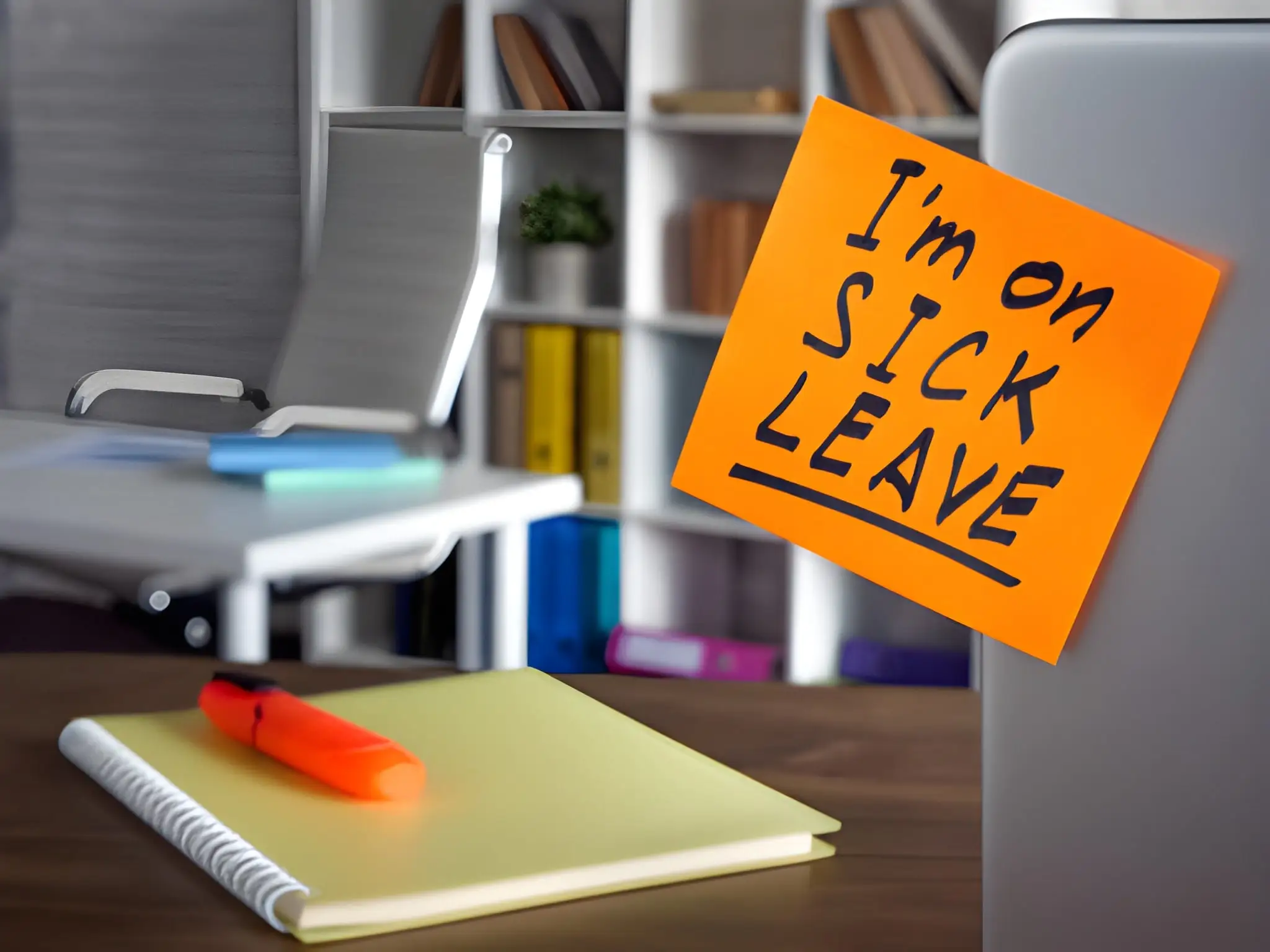
If you’ve ever been confused about whether to call it “sick leave” or “personal leave” when you’re too unwell to work, you’re not alone. A lot of Australian workers think they’re the same thing – and technically, you’re partly right. But there’s more to it than just the name.
Let’s break it down in plain English so you know exactly what you’re entitled to, when you can use it, and what your boss can (or can’t) ask for when you need time off.
Need a sick leave certificate today? Get one online in minutes with Telehealth Dr – no clinic visits, 100% valid across Australia.
What Actually Is Personal Leave?
Personal leave is the official term used in the National Employment Standards. It’s like an umbrella that covers two types of leaves:
- Sick leave – when you’re too unwell to work
- Carer’s leave – when you need to look after a sick family member or household member
So when people say “sick leave,” they’re usually talking about one part of personal leave. Both come from the same leave balance, which means if you use sick leave, it comes out of your personal leave entitlement.
Sick Leave vs Personal Leave – What’s the Real Difference?
Here’s the thing: sick leave and personal leave aren’t really “versus” each other. Sick leave sits inside personal leave.
Sick Leave: You’re unwell and can’t perform your ordinary hours of work. This could be physical illness, injury, or mental health issues.
Personal Leave (broader term): Covers sick leave AND carer’s leave. It’s the total pool of paid leave you get for personal health or caring responsibilities.
Think of it this way: all sick leave is personal leave, but not all personal leave is sick leave. Make sense?
How Much Personal Leave Are You Entitled To?
If you’re a full-time or part-time employee, you get 10 days of paid sick and carer leave per year. That’s around 76 hours annually for full-time staff.
Part-time workers? Your leave entitlement is calculated pro rata for part-time hours. So if you work 3 days a week, you’ll get 6 days of personal leave per year.
One important thing – this leave accumulates. If you don’t use it, it rolls over year after year. There’s no cap, which is great if you’re someone who rarely gets sick.
But here’s the catch: casual employees don’t get paid personal leave at all. If you’re casual and need time off because you’re unwell, you won’t get paid for those shifts. However, you’re still legally allowed to take unpaid carer’s leave or unpaid sick leave if needed.
When Can You Use Personal Leave?
You can tap into your personal leave when:
- You’re sick or injured and can’t work
- You need to care for a family member or household member who’s unwell
- There’s an emergency involving someone close to you (like a family member needing urgent care)
Personal leave isn’t the same as annual leave. You can’t just use it whenever you feel like taking a day off. It has to be for genuine health or caring reasons.
And no, it doesn’t cover things like long service leave or family and domestic violence leave – those are separate entitlements under the Fair Work system.
Can Your Employer Ask for a Medical Certificate?
Yes, they can. And this is where a lot of confusion happens.
Your employer has the right to ask for proof if you take sick leave or carer’s leave. This is usually a medical certificate from a doctor, but it could also be a statutory declaration in some cases.
Here’s what the Fair Work Ombudsman says: employers can request evidence if the absence seems unreasonable, or if you’ve taken leave during a peak period (like right before or after a long weekend). But they can’t force you to go to a specific doctor, and they need to be reasonable about it.
If you’re unwell and your employer asks for proof, you can request an online sick leave certificate through TelehealthDr. It’s fast, secure, and accepted across Australia.
What About Carer’s Leave?
Carer’s leave is part of your personal leave balance. You can use it when a family member or household member is sick, injured, or dealing with an emergency.
This includes:
- Your partner or spouse
- Your children (including step-kids or adopted kids)
- Parents, grandparents, siblings
- Anyone who lives in your household
You don’t get extra days for carer’s leave – it comes out of the same 10 days you’re entitled to for sick leave. So if you’ve already used 5 days of sick leave, you’ve got 5 days left that could be used as carer’s leave if needed.
Looking after a child or family member? Telehealth Dr also provides Carer’s Certificates online so that you can focus on care without stress.
Casual Workers and Leave – What’s the Deal?
Casual employees don’t get paid personal leave. That’s one of the trade-offs for the casual loading you get in your pay.
But you’re still allowed to take time off if you’re unwell – it’s just unpaid. And if you need to provide a medical certificate to your employer, you can still get one even though you won’t be paid for the day off.
The National Employment Standards also give casual workers access to unpaid carer’s leave and unpaid family and domestic violence leave. So while you won’t get paid, your job is still protected if you need time off for these reasons.
Do You Lose Personal Leave If You Don’t Use It?
Nope. Personal leave accumulates year after year. If you’re the type who never gets sick (lucky you), your leave balance just keeps building up.
This is different from annual leave, where employers sometimes push you to take time off if you’ve got too much saved up. With personal leave, there’s no pressure to use it – it’s there when you need it.
However, if you leave your job, you don’t get paid out for unused personal leave. It just disappears. (Annual leave, on the other hand, does get paid out when you resign or get let go.)
Common Questions About Personal Leave and Sick Leave
Can I use sick leave for mental health days?
Yes, absolutely. Mental health is just as valid as physical health. If you’re struggling with anxiety, stress, depression, or burnout and you’re not fit to work, you can use your sick leave. Your employer may still ask for a medical certificate, though.
What if I run out of personal leave?
If you’ve used up your paid personal leave and you’re still unwell, you’ll need to take unpaid leave. Some workplaces might let you take annual leave instead, but that’s up to your employer and you to discuss.
Can my boss refuse my sick leave?
No. If you’re genuinely unwell, your employer can’t refuse your sick leave. But they can ask for proof, especially if the timing seems suspicious or if you’re off for more than a couple of days.
Do I get paid for public holidays if I’m on sick leave?
If a public holiday falls during your sick leave, it doesn’t count against your personal leave balance. You still get paid for the public holiday separately.
What’s the difference between personal leave and family and domestic violence leave?
These are separate. Family and domestic violence leave is a specific entitlement (10 days per year, unpaid for most workers) for people dealing with domestic violence situations. It doesn’t come out of your personal leave balance.
What’s the difference between personal leave and sick leave under Fair Work Australia?
Personal leave is the broader term that includes both sick leave and carer’s leave. Sick leave is specifically when you’re unwell and cannot work. Under the Fair Work Act, both are covered by your personal leave entitlements. If proof is required, you may need a medical certificate, which you can get quickly online with Telehealth Dr.
What Happens If You Don’t Provide a Medical Certificate?
If your employer asks for a medical certificate and you don’t provide one, they can refuse to pay you for that day. In some cases, it could even be treated as unauthorised leave, which might lead to disciplinary action.
That’s why it’s worth getting a certificate if your boss requests one – even if you’re feeling better by the time you think about it. Telehealth Dr makes this easy with online consultations available 24/7. You don’t need to drag yourself to a clinic when you’re unwell.
Yes, employers can request proof – if you need one, get your online sick leave certificate instantly with Telehealth Dr.
Personal Leave Entitlements – Quick Summary
Here’s everything in one spot:
- Full-time employees and part-time employees: Entitled to 10 days paid personal leave per year (pro rata for part-time workers)
- Casual employees: No paid personal leave, but can take unpaid leave if needed
- Leave accumulates: Unused personal leave rolls over each year
- No payout on termination: You don’t get paid for unused personal leave when you leave a job
- Medical certificates: Employers can ask for one, and you should provide it if requested
- Covers sick leave and carer’s leave: Both come from the same leave pool
Final Thoughts
Understanding the difference between personal leave and sick leave isn’t complicated once you know that sick leave is just part of personal leave. Whether you’re a full-time employee, part-time worker, or casual, knowing your leave entitlements helps you take time off when you need it without worrying about your pay or your job.
And if you ever need a medical certificate in a hurry – whether it’s for sick leave, carer’s leave, or just peace of mind – you don’t have to wait days for a GP appointment.
Whether you need a sick leave certificate, a carer’s certificate, a telehealth consultation, or online prescription renewal, TelehealthDr makes it simple. Book online today – available 24/7 across Australia.