
How Long Before a Fasting Blood Test?
Many blood tests require fasting to ensure accurate results. If your doctor has asked you to do a fasting test, you may be wondering how long you should avoid food...
Reviewed by Dr. faisal khan (MBBS, FRACGP, FAMAC) - Consult Now
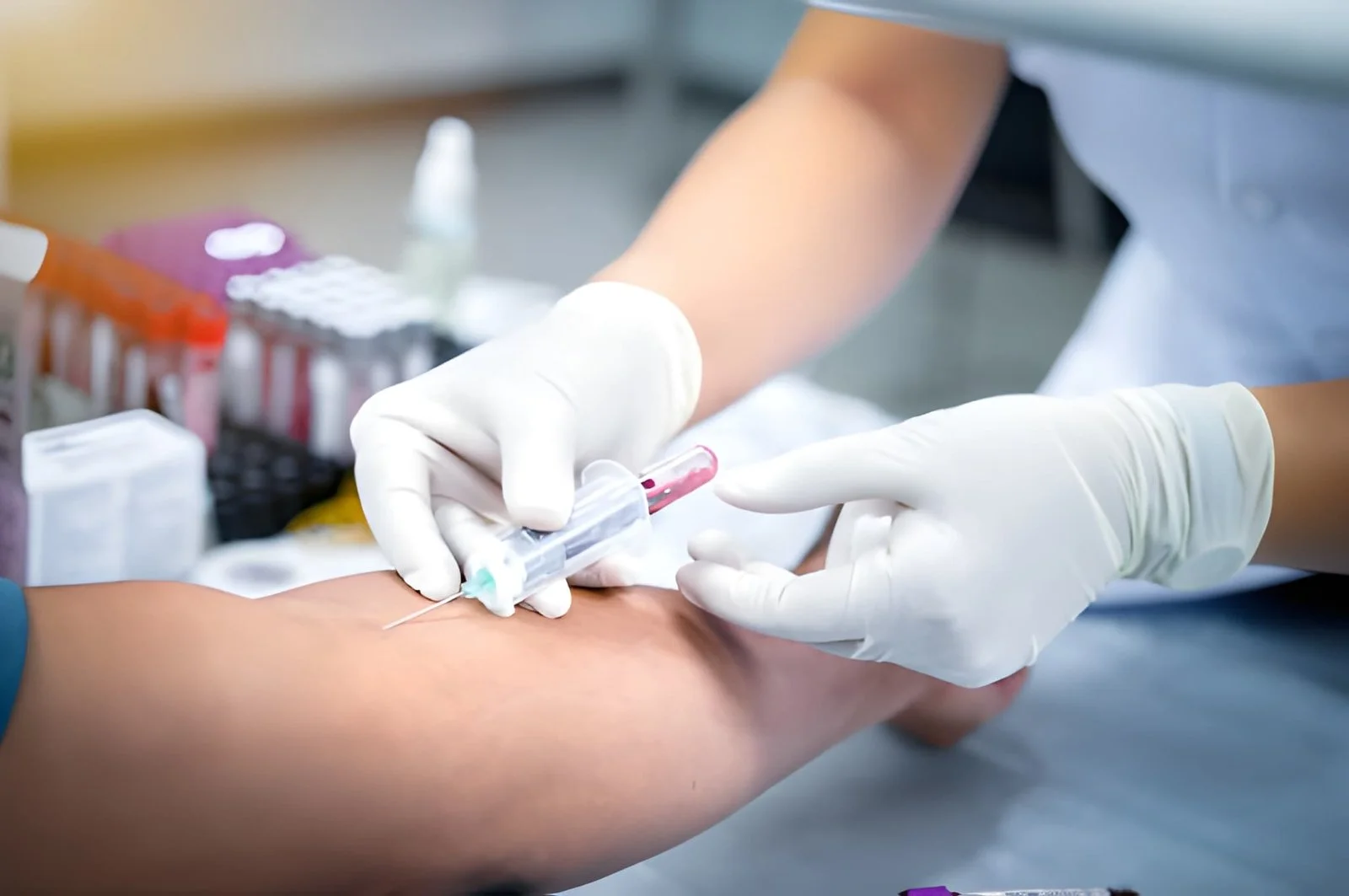
Many blood tests require fasting to ensure accurate results. If your doctor has asked you to do a fasting test, you may be wondering how long you should avoid food before the appointment.
Fasting usually means not eating for several hours before your blood sample is taken. The exact timing depends on the type of test being performed and your doctor’s instructions. Understanding the correct fasting period helps prevent inaccurate results and avoids the need to repeat the test.
If you’re unsure whether you need a blood test or how to prepare for one, you can speak with a GP through a telehealth consultation. During your online doctor appointment, the doctor can assess your symptoms and provide a pathology referral if testing is required.
What Is a Fasting Blood Test?
A fasting blood test measures certain substances in your blood after you have avoided food for a specific period of time. Doctors often recommend fasting tests because food and drinks can temporarily affect levels of sugar, fats, and other markers in the blood.
These tests help doctors assess overall health and screen for conditions such as:
- Cholesterol problems
- Diabetes
- Metabolic disorders
- Liver or kidney function issues
Because food can influence these measurements, fasting ensures the results reflect your body’s baseline levels.
If a doctor has recommended blood tests but you have questions about fasting or preparation, an online GP consultation can help clarify the instructions and provide guidance before your appointment.
How Long Before a Fasting Blood Test Should You Stop Eating?
For most fasting blood tests, you will need to avoid food for 8 to 12 hours before the test.
This fasting period usually starts overnight. Many people schedule their blood test in the morning so the fasting period occurs while they are sleeping.
Typical fasting guidelines include:
- Do not eat any food during the fasting period
- Avoid sugary drinks, milk, or juice
- Follow any specific instructions given by your doctor
Different tests may require different fasting durations, so always follow the instructions on your pathology referral.
Also Read: https://telehealthdr.com.au/what-is-fbc-blood-test/
Common Blood Tests That Require Fasting
Not all blood tests require fasting, but several common ones do.
Examples include:
- Cholesterol or lipid profile: measures cholesterol and triglyceride levels
- Fasting blood glucose test: checks blood sugar levels
- Metabolic panel: evaluates electrolyte balance and organ function
- Triglyceride test: measures fat levels in the blood
These tests are more accurate when the body has not recently processed food.
Many of these tests require a doctor’s referral. If you need a pathology referral for blood testing, a telehealth GP can assess your situation and provide the appropriate referral online.
Can I Drink Water Before a Fasting Blood Test?
Yes, drinking plain water is usually allowed during a fasting blood test.
In fact, staying hydrated can make it easier for the healthcare professional to collect your blood sample. Water does not affect most blood test results.
However, you should avoid:
- Coffee or tea
- Soft drinks
- Juice
- Milk or flavoured beverages
If you are unsure about what you can drink, follow the instructions provided with your test referral or check with your doctor.
What Happens If You Eat Before a Fasting Blood Test?
Eating before a fasting test can change certain blood measurements. This may lead to inaccurate results and make it harder for doctors to interpret your health markers.
Food can temporarily raise levels of:
- Blood sugar
- Triglycerides
- Certain hormones and nutrients
If you accidentally eat during the fasting period, it is best to inform the healthcare professional before your blood sample is taken. In some cases, the test may need to be rescheduled.
If you accidentally eat before a fasting test or are unsure whether your results may be affected, a telehealth doctor can review your situation and advise whether the test should be repeated.
Tips to Prepare for a Fasting Blood Test
Preparing properly can make your test smoother and ensure accurate results.
Helpful preparation tips include:
- Schedule the test early in the morning
- Eat a balanced meal the evening before
- Drink water to stay hydrated
- Avoid alcohol the night before the test
- Follow the medication instructions from your doctor
If you take regular medications, ask your doctor whether they should be taken before the test.
If you need help organising blood tests or understanding preparation instructions, a telehealth GP appointment allows you to discuss your health concerns and receive referrals for pathology tests when appropriate.
When a Doctor May Recommend Blood Tests
Blood tests are often recommended as part of routine health checks or to investigate symptoms. They help doctors understand what is happening inside the body and guide treatment decisions.
A doctor may recommend blood tests to:
- Screen for conditions such as diabetes or high cholesterol
- Investigate symptoms like fatigue or dizziness
- Monitor ongoing medical conditions
- Check how well medications are working
If you are experiencing symptoms or need a routine health screening, you can book a telehealth consultation with a GP. During the appointment, the doctor can assess your symptoms, provide medical advice, and issue pathology referrals for blood tests if required.
Summary
Most fasting blood tests require 8 to 12 hours without food before the blood sample is taken. Water is usually allowed, but other drinks and food should be avoided during the fasting period.
Following the correct preparation instructions helps ensure accurate test results and reduces the need for repeat testing. If you are unsure about fasting requirements or blood test preparation, it is best to confirm the instructions with your healthcare provider.
If you need medical advice, blood test referrals, or help understanding your test results, you can book a telehealth GP consultation online. A doctor can assess your concerns, provide pathology referrals when needed, and guide you on the next steps for your health.
FAQ’s:
How many hours should you fast before a blood test?
Most fasting blood tests require 8 to 12 hours without food before the blood sample is taken. This fasting period helps ensure that food does not affect the levels of glucose, cholesterol, or other markers in the blood. Your doctor or pathology provider will usually specify the exact fasting time for your test.
Can you drink water before a fasting blood test?
Yes, plain water is usually allowed before a fasting blood test. Drinking water can help keep you hydrated and may make it easier for the healthcare professional to collect your blood sample. However, drinks such as coffee, tea, juice, or soft drinks should be avoided.
What happens if you eat before a fasting blood test?
Eating before a fasting blood test can temporarily increase certain levels in your blood, such as glucose and triglycerides. This may lead to inaccurate results. If you accidentally eat during the fasting period, it is best to inform the healthcare provider before the test.
Which blood tests require fasting?
Several common blood tests require fasting, including:
- Cholesterol or lipid profile tests
- Fasting blood glucose tests
- Triglyceride tests
- Some metabolic panel tests
These tests are more accurate when your body has not recently processed food.
Can you drink coffee during a fasting blood test?
No, coffee should generally be avoided before a fasting blood test. Even black coffee can affect certain test results, including blood sugar and metabolic markers. During fasting, it is safest to drink only plain water.
Can you take medications before a fasting blood test?
Some medications can be taken during the fasting period, but others may affect test results. It is important to follow your doctor’s instructions regarding medications before the test. If you are unsure, ask your doctor or pharmacist before your appointment.
Is a 12-hour fast always required for blood tests?
Not all blood tests require a 12-hour fast. Some tests only require 8 hours of fasting, while others may not require fasting at all. The required fasting time depends on the specific blood test being performed.
What time of day is best for a fasting blood test?
Morning appointments are usually best for fasting blood tests. Many people begin fasting the night before and complete the test early in the morning, which makes the fasting period easier to manage.
Can you brush your teeth before a fasting blood test?
Yes, you can usually brush your teeth before a fasting blood test. However, you should avoid swallowing toothpaste or using sugary mouthwash during the fasting period.
Do all blood tests require fasting?
No, many blood tests do not require fasting. Tests such as complete blood counts, thyroid tests, and many hormone tests can usually be performed without fasting. Your doctor will tell you if fasting is necessary for your specific test.