
Dehydration Headache: Causes, Symptoms & When to See a Doctor Online
A dehydration headache is one of the most common types of headaches Australians experience, especially during hot weather or after physical activity. It happens when your body does not have...
Reviewed by Dr. faisal khan (MBBS, FRACGP, FAMAC) - Consult Now

A dehydration headache is one of the most common types of headaches Australians experience, especially during hot weather or after physical activity. It happens when your body does not have enough fluids to work properly.
The good news is that most dehydration headaches improve quickly once you rehydrate. Understanding the symptoms and knowing when to seek help can make recovery faster and easier.
If your headache is getting worse or you want medical advice from home, you can speak with an Australian-registered GP online through TelehealthDr.
What Is a Dehydration Headache?
A dehydration headache occurs when your body loses more fluids than you take in. When fluid levels drop, your brain tissue contracts slightly. This pulls the brain away from the skull and triggers pain receptors.
Dehydration also affects blood volume and blood flow to the brain. Lower blood volume means less oxygen reaches your brain cells. This can cause headache pain along with fatigue and dizziness.
An electrolyte imbalance can make things worse. Sodium and potassium levels drop when you sweat heavily or lose fluids through vomiting or diarrhoea. Your body needs these electrolytes to maintain normal nerve and muscle function.
A dehydration headache feels different from a tension headache or migraine. It usually starts slowly and improves with drinking water. Other types of headaches may not respond as quickly to fluids alone.
What Does a Dehydration Headache Feel Like?
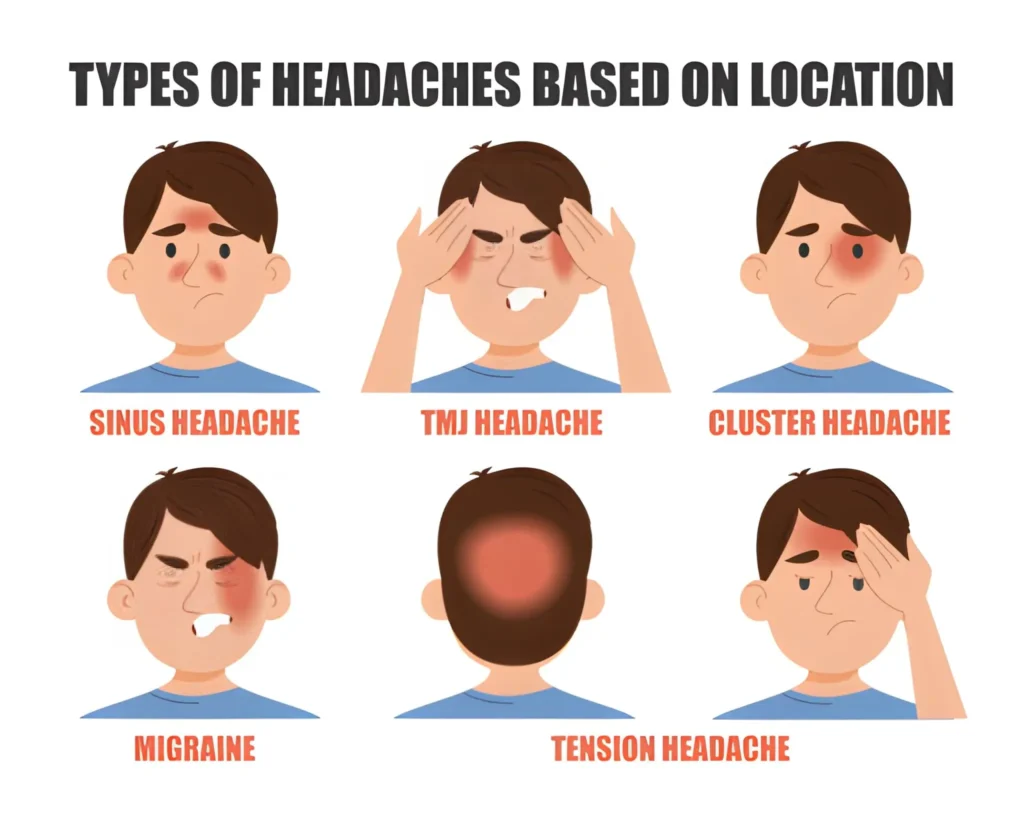
The pain from a dehydration headache can appear in different areas of your head. Some people feel it across the front, while others notice it at the back or behind the eyes.
Common Dehydration Headache Locations
- Front of the head (frontal headache): pressure across your forehead
- Back of the head (occipital dehydration headache): dull ache at the base of your skull
- Behind the eyes: deep pressure or soreness
- One-sided headache: pain on just one side, often near the temple
- Across the temples: tightness or throbbing on both sides
What a Dehydration Headache Feels Like
Most people describe the pain as a dull ache or pressure. It may feel like a tight band around your head. Some people also notice a throbbing sensation that gets worse when they move, bend over, or stand up quickly.
You might also feel tired, have a dry mouth, or feel slightly dizzy. Morning dehydration headaches are common if you did not drink enough water the day before or if you slept in a warm room.
The pain usually increases with movement and improves when you rest and drink fluids.
Symptoms of a Dehydration Headache
Symptoms depend on how dehydrated you are. Mild dehydration causes light symptoms, while severe dehydration can become dangerous.
Early Symptoms
- Thirst
- Dry mouth
- Dark yellow urine
- Mild headache from dehydration
If you notice these signs, drink water slowly and rest. Most people feel better within 30 minutes.
Moderate Symptoms
- Stronger headache
- Tiredness and weakness
- Nausea
- Muscle cramps
- Light sensitivity
At this stage, water alone may not be enough. You may need an electrolyte drink or oral rehydration salts like Hydralyte.
Severe Dehydration Symptoms
- Vomiting along with a headache
- Confusion or irritability
- Rapid heartbeat
- Very dark urine or no urine at all
- Extreme fatigue
These are red flags. If you or someone else shows these signs, seek medical help immediately.
If your dehydration headache is affecting your work or routine, you can request an online medical certificate through Telehealth Dr.
What Causes a Dehydration Headache?
Dehydration happens for many reasons. Understanding the cause helps you prevent future headaches.
Hot weather and sweating: Australia’s climate increases your risk, especially in summer. Outdoor workers, tradies, and delivery drivers lose fluids quickly.
Not drinking enough water: Many people forget to drink during busy workdays or long study sessions. Your body needs regular water intake to stay hydrated.
Exercise and physical activity: Gym sessions, sports, and running cause heavy sweating. You lose fluids faster than you think.
Diarrhoea and vomiting: Stomach bugs cause rapid fluid loss. Even mild diarrhoea can trigger a dehydration headache within hours.
Drinking alcohol: Alcohol makes you urinate more and reduces your body’s ability to hold onto fluids. A hangover headache is often a dehydration headache.
Caffeine: Coffee and energy drinks increase urination. If you drink caffeine without water, you may become dehydrated.
Breastfeeding: Breastfeeding mothers need extra fluids. A breastfeeding dehydration headache is common if water intake does not increase.
Travel and outdoor work: Long flights, road trips, and outdoor labour all increase fluid loss.
Stress and poor sleep: Stress affects hydration levels. Poor sleep can also reduce your thirst response.
Can Dehydration Cause Headaches and Other Symptoms?
Yes. Dehydration affects your whole body, not just your head.
Common combinations include:
- Headache and nausea: your stomach struggles when dehydrated
- Headache and fatigue: low energy is a clear sign
- Headache and dry mouth: one of the earliest symptoms
- Headache and diarrhoea: fluid loss from your gut worsens dehydration
- Morning headaches: often caused by not drinking water overnight
If your headache keeps returning or you feel unwell, seeing a healthcare professional can help you find the cause.
Dehydration Headache vs Migraine vs Tension Headache
It can be hard to tell headache types apart. Here is how they differ.
How to Tell Them Apart
| Type | Pain Pattern | Location | Triggers |
| Dehydration headache | Dull, pressure-like | Front, back, or behind the eyes | Fluid loss, heat |
| Migraine | Throbbing, severe | One side of the head | Stress, light, food |
| Tension headache | Tight band feeling | Across the forehead and temples | Stress, poor posture |
When Dehydration Triggers a Migraine
If you are prone to migraines, dehydration can trigger an attack. Staying hydrated helps reduce migraine frequency in many people.
Is Your Headache Stress-Related or Dehydration-Related?
Both stress and dehydration cause similar symptoms. Try drinking water first. If the pain improves within 30 minutes, dehydration was likely the cause.
How Long Does a Dehydration Headache Last?
Most dehydration headaches improve within 30 minutes to 2 hours after you rehydrate. Some people feel better in as little as 15 minutes.
If you are severely dehydrated, recovery may take longer. Your body needs time to restore fluid balance and electrolyte levels.
A dehydration headache that lasts for days usually means something else is going on. You may have another condition, or your body may not be absorbing fluids properly.
If your headache does not improve after drinking water and resting, contact a doctor.
If you need medication guidance or a prescription review, you can book an online prescription appointment with a TelehealthDr GP. Your script is sent to your preferred local chemist.
How to Get Rid of a Dehydration Headache
Fast relief comes from rehydration and rest. Follow these steps to feel better quickly.
Rehydration Strategy
- Drink water slowly: sip water over 20 to 30 minutes. Drinking too fast can cause nausea.
- Add electrolytes: use Hydralyte, sports drinks, or oral rehydration salts if you have been sweating heavily.
- Try coconut water: it contains natural electrolytes and is easy on your stomach.
- Avoid alcohol and caffeine: both make dehydration worse.
- Cool your body: move to a cool room or use a fan. Heat increases fluid loss.
Home Remedies That Help Quickly
- Cold compress: Place a cool cloth on your forehead or neck
- Rest in a dark room: light can make headache pain worse
- Light stretching: Gentle neck stretches can ease tension
- Avoid screens: phone and computer use can worsen symptoms
Best Painkillers for Dehydration Headache
You can take paracetamol or ibuprofen if the pain is strong. Follow the packet instructions and do not take more than the recommended dose.
Avoid taking painkillers on an empty stomach. Drink water with any medication.
If your headache does not improve after taking painkillers and rehydrating, see a doctor.
When a Dehydration Headache Means Something More Serious
Most dehydration headaches are not dangerous. However, some symptoms need urgent medical attention.
Warning Signs to Watch For
- Vomiting that stops you from keeping fluids down
- High fever along with headache
- Confusion or slurred speech
- Seizures or fainting
- Severe headache that comes on suddenly
- Headache after a head injury
These signs may mean severe dehydration, heat exhaustion, or another medical condition.
When to See a Doctor Online
You should speak with a GP if:
- You cannot keep fluids down
- Your headache lasts more than 24 hours despite drinking water
- You feel faint, dizzy, or confused
- You suspect heat exhaustion or heatstroke
- You have other symptoms, like chest pain or vision changes
Telehealth makes it easy to get advice from home without waiting in a clinic.
Dehydration Headache in Special Situations
Some people are at higher risk for dehydration.
Dehydration Headache in Children and Teens
Children lose fluids quickly, especially during sports or outdoor play. Watch for signs like tiredness, irritability, and dry lips. Encourage your child to drink water regularly throughout the day.
Dehydration Headache During Pregnancy
Pregnant women need more fluids than usual. Nausea and vomiting in early pregnancy can cause dehydration. Drink small amounts of water often and contact your doctor if symptoms worsen.
Breastfeeding and Hydration
Breastfeeding increases your fluid needs. Keep a water bottle nearby during feeds. If you notice headaches along with low milk supply, you may need to drink more.
Older Australians and Higher Dehydration Risk
Older adults may not feel thirsty even when dehydrated. They are also more likely to take medications that increase urination. Regular water intake is important, even without thirst.
Treatment for Dehydration Headache
Doctors treat dehydration headaches by restoring your body’s fluid balance.
Your GP may recommend:
- A hydration plan with specific daily water intake goals
- Electrolyte replacement drinks or powders
- A review of medications that may worsen dehydration
- Blood tests to check sodium and potassium levels
- Monitor your symptoms over the next few days
Most people recover fully with simple treatment at home.
When You Should Book an Online GP Appointment
An online GP consultation can help if:
- Your headache keeps coming back
- You need advice on managing symptoms
- You want a medical certificate for work or study
- You need a prescription for pain relief or nausea medication
- You are unsure whether your symptoms need further tests
TelehealthDr offers fast access to Australian-registered doctors without leaving home.
How a Telehealth GP Can Help You Recover Safely
Online Medical Assessment
Your doctor will ask about your symptoms, fluid intake, and any other health conditions. They can diagnose a dehydration headache during a video consultation.
Online Prescriptions Sent to Your Chemist
If you need medication for pain or nausea, your GP can send a prescription directly to your local chemist.
Online Medical Certificates for Work or Study
If your headache stops you from working or studying, you can request a same-day medical certificate online.
Pathology Referrals
If your doctor suspects an electrolyte imbalance or another condition, they can organise blood tests at a nearby pathology clinic.
FAQ’s:
Can dehydration cause severe headaches?
Yes. Severe dehydration can cause intense pain along with nausea, confusion, and dizziness.
Can a dehydration headache last for days?
It can if you do not rehydrate properly or if another condition is present. See a doctor if your headache lasts more than 24 hours.
Is a dehydration headache dangerous?
Most are not dangerous and improve with fluids. Severe dehydration can lead to serious complications and requires urgent care.
Why do I get a headache when dehydrated?
Fluid loss causes your brain tissue to contract and reduces blood flow. This triggers pain receptors in your head.
What is the fastest way to fix it?
Drink water slowly, add electrolytes if needed, rest in a cool place, and use a cold compress on your forehead.
Does drinking water immediately help?
Most people feel better within 30 minutes to 2 hours after rehydrating.
Summary:
A dehydration headache happens when your body does not have enough fluids. It causes dull pain, pressure, and fatigue. Most cases improve quickly with water and rest.
Watch for warning signs like vomiting, confusion, or severe pain. These symptoms need medical attention.
Stay hydrated by drinking water throughout the day, especially in hot weather or after exercise. If your headache does not improve or keeps returning, speak with a doctor.
If your headache keeps returning or you want personalised medical advice, book an online GP appointment with TelehealthDr. Our Australian-registered doctors help with prescriptions, certificates, and follow-up care all online.