Approximate waiting time to speak to a doctor is within 40 minutes.

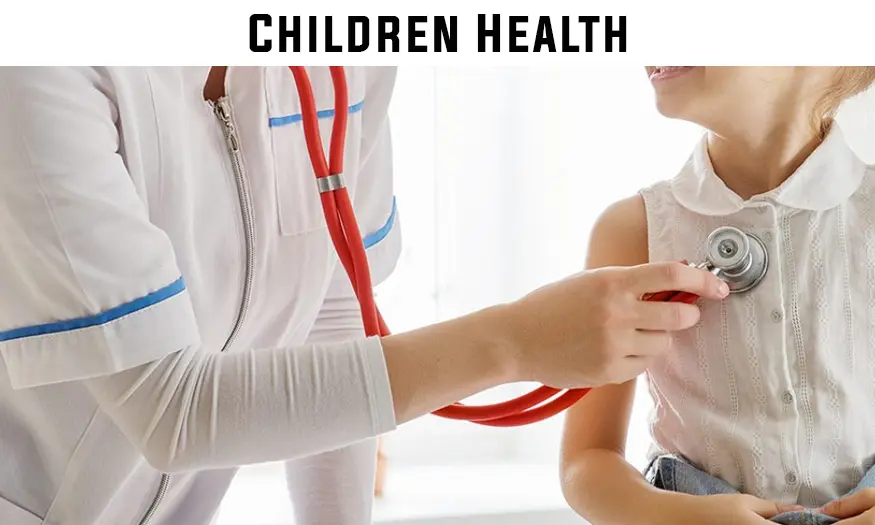
What are the top factors affecting your child’s health?

The child’s health problems depend on the interaction of several factors. The most significant is by family, environmental and academic ones. When faced with discomfort or deviant behaviour in children or adolescents. One generally wonders about what the triggering “cause” might be.

We need to discuss how different things that make a problem more likely to happen work together. Or that makes it more likely that a certain discomfort will occur. So, most of the time, it’s clear from a young age. 

It’s a game where genes, temperament, family, and the surroundings. Along with life experiences and personal resources, all play a role. Even in the early years, there can be signs and messages. But most of the time, people wait to do anything until the problem is evident and systematic.

What can affect a child’s health?

Several factors can impact a child’s health. It is essential to take into account the following key elements: Several factors can impact a child’s health

Genetics:

The parent’s health history has some bearing on the offspring’s health. They may be at risk for poor health due to inherited illnesses or traits.

Environment:

A child’s physical surroundings have a major impact on their well-being. The health of a population can also be affected by environmental factors.

Nutrition:

A child’s health care and development are tied to his or her diet. Problems include stunted growth, obesity, and nutritional deficiencies. These can arise from either insufficient or excessive food consumption.

Doing something active:

A child’s physical and mental health benefits greatly from a regimen of regular physical activity. So, inactivity can lead to weight gain, bone and muscular weakness, and cardiovascular disease.

 Healthcare accessibility:

A child’s health is profoundly affected by the accessibility and availability of medical care. Checkups, immunizations, and prompt medical attention are crucial for disease prevention and management.

Aspects of society’s economy:

The health of children is also affected by their families’ socioeconomic position. Children from low-income households may have more difficulty obtaining healthy food. Additionally, medical treatment and a secure home environment. All of which can have a negative impact on their wellbeing.

Aspects of Parenthood:

The health of a kid may also be affected by the actions and decisions of his or her parents. The presence of a loving and caring family is one such example. Another is not smoking or abusing drugs during pregnancy.

Education:

Better health outcomes are linked with increased access to high-quality education. A child’s education can improve their knowledge of healthy practices. So, it fosters the development of critical thinking. It also helps them to make autonomous decisions about their well-being.

Influences on society:

Things in society, like cultural norms, social support systems, and community resources, can affect a child’s health. Moreover, the social milieu has a large impact on a child’s health.

Get Medical Advice in Minutes
Book Your Online Consultation!

What can put a child’s health at risk?

There are many things that could be bad for a child’s health.

Some of the most common health problems are as follows:

Inadequate diet:

Malnutrition happens when a person doesn’t get enough of certain nutrients or eats a bad diet. In addition, it can be very bad for a child’s health.

Insufficient exercise:

Children whose parents don’t move around much are more likely to have obesity, heart disease, and other health problems.

Threats from the Environment:

Air pollution, pesticides, and other dangerous chemicals raise the issue of respiratory and neurological problems in babies.

Failure to Vaccinate:

If youngsters aren’t immunized as prescribed, they could get deadly diseases with terrible side effects. So children’s health issues may go undiagnosed or untreated for longer periods of time. If their families lack access to basic medical care, such as checkups, preventive treatments, and emergency care.

Substance abuse or smoking among parents:

Young children are especially vulnerable to the negative health effects of exposure to secondhand smoke and other substances of abuse within the home.

Problems with mental health:

Adverse childhood experiences include trauma, abuse, and neglect. So, it can have lasting effects on a child’s physical and mental health if they aren’t addressed.

Negative social and physical conditions:

Increased stress can be harmful to the physical and emotional health of children. In addition, They live in hazardous or insecure situations, witness violence, or have few adults who care about them.

Economic and social inequality:

Children from low-income families and other disadvantaged groups face greater barriers to health care, food security, and safety than their more affluent peers.

Poor schooling:

It is challenging for children to make educated decisions about their health when they have limited access to a decent education.

To improve children’s health and happiness, it is essential to identify and treat these risk factors. Efforts should be taken to enhance nutrition and stimulate physical exercise. In addition, decreases exposure to environmental dangers, and guarantees access to healthcare. This offers safe and supportive surroundings. And address socioeconomic inequalities to reduce risks and protect children’s health.

Also Read – What You Should Know About Employer Rights and Sick Certificates

How do you treat Children’s Health?

Let’s look at some of the most important things you can do to improve your child’s health:

Medical Strategy:

It focuses on the problem and the things that make it worse. Find the virus or injury that caused it and come up with the best treatment. Or does the surgery need to take out the organ? It is based on the ideas of reductionism, fear, and contagion. And new medicines (antibiotics, antivirals, and vaccines) are being made.

Generous greetings:

Find out what makes health possible and how to build on or improve it. Find out what people who stay healthy do to protect themselves and what skills or traits they tend to have. Health is being able to react to and adjust to changes. Getting sick is normal, and it gives people a chance to learn, improve, and eventually get better.

We have to start by thinking that germs, viruses, and bacteria are always around us. Both on the outside and on the inside, and that our bodies are able to defend themselves under normal conditions.

In the gene health method, we view symptoms as the body’s “language”. And a signal that the body is fighting the disease. Trying to hide a sign uses up important energy. It throws the immune system off and can sometimes even make the illness worse.

With complementary medicine, these two ways of treating and preventing illness are used together. Specifically, it looks at:

Lifestyle:

Habits and routines of one’s biology and behaviour (such as sleeping and waking hours, mealtimes, and recreational time).

Diet:

Simple, changing, and stable. Repetitive errors in infant feeding can result in obesity and diabetes. And elevated blood pressure, tumours, and other health issues.

Relaxation:

Hygiene of body and mind; relieving tension. Some examples of natural medicines used in complementary medicine to boost the immune system. And aid in the body’s natural healing process:

  • Vitamins and minerals
  • Natural remedies
  • Homoeopathy
  • Massage using flower essences.

Get Medical Advice in Minutes
Book Your Online Consultation!

Importance of child health?

It’s impossible to exaggerate the value of a healthy childhood. The health and happiness of our youth are essential to our nation’s and our nation’s future. Listed below are just a few of the many reasons why children’s health is so crucial:

Normal Growth:

For optimal physical, mental, and emotional growth, children need to be healthy. They develop and mature more fully when given the best possible care, nutrition, and surroundings.

Academic Success:

A kid’s scholastic success and capacity to learn are both affected by how healthy they are. Children who are both physically and mentally well have a better chance of learning and growing as they age.

Chronic Disease Avoidance:

The foundation for healthy adulthood can be laid by encouraging healthy habits in children. Childhood is where many adult health problems begin. It includes obesity, diabetes, and cardiovascular disease. We can lessen the likelihood of these diseases developing later in life. So, If we start working on health problems early and encourage people to adopt more healthful routines.

Productivity and health over the long haul:

Young people who enjoy good health tend to mature into similarly robust adults. In the long run, a healthier population is the result of investments made today in the health of children. People who are healthy are in a better position to make meaningful contributions to their communities. So they can continue their education and enter the workforce.

Public health and the prevention of disease:

Prevention of infectious diseases can be greatly aided by concentrating on child health centres. Additionally, community child health as a whole benefits from vaccinations, checkups, and early diagnosis. Treatment of health problems in order to reduce the spread of contagious diseases.

Wellness in Relationships and Emotions

The psychological and social development of a child affects his or her physical health. When kids are physically and mentally well. So, they have a better chance of engaging in meaningful connections and building emotional fortitude.

Lowering the Price of Medical Care

Spending more on children’s health is an investment that can pay dividends down the road. To save money on healthcare costs, it’s important to focus on prevention, early intervention, and treating health problems in children.

Equal treatment and social fairness:

The health of children is an issue of social and economic fairness. So, every kid should have the same chance to be successful. Additionally, getting rid of health disparities is how we can achieve this. Making sure they all have access to high-quality medical care, healthy food, and a safe place to live.

Summary

Future generations’ health depends on our ability to put the health of today’s children first. When we put money into our kids’ health. We’re laying the groundwork for a happier, healthier tomorrow for everyone.

Can you get prescriptions the same day?

Getting a prescriptions on the same day can be a convenient option for patients who need medication for acute or urgent medical conditions. There are a few different ways to get a prescription on the same day. It depends on your needs and the availability of healthcare resources. One option is to visit a healthcare clinic, such as a clinic or hospital. Many facilities offer same-day appointments for patients with urgent medical needs.

Another option is to use telehealth services. Telehealth services allow patients to receive medical care remotely through a secure online platform or phone call. Online doctors can write a same-day prescription. They also send an electronic prescription (also known as an e-prescription or instant script) directly to a pharmacy. Many telehealth providers offer same-day appointments, and the healthcare provider can prescribe medication if necessary.

Is It Possible To Get Online Prescriptions on the Same day?

It is possible to get an online prescription on the same day. However, it depends on the availability of the doctor and the pharmacy. In most cases, the prescription will be sent electronically to the pharmacy. Your medication will be available for pickup within a few hours. Additionally, some online pharmacies offer same-day delivery services for those who need the medication immediately.

The best thing to remember is that not all medications can be prescribed immediately.  But some controlled substances, such as certain pain medications and stimulants, may require additional safeguards or documentation. Your healthcare provider can advise you on the best course of treatment for your specific needs.

5 Things to Consider Before Getting Prescriptions On The Same Day

  1. Is the prescription appropriate for your condition? It is important to make sure that the medication being prescribed is appropriate for your specific condition and will address your needs.
  2. Are there any potential interactions with other medications you are taking? If you are taking other medications, it is important to consider potential interactions with the new prescription. Your healthcare provider should be able to advise you on this.
  3. Are there any potential side effects or contraindications? Be sure to ask about any potential side effects or contraindications of the prescribed medication, and consider whether you are comfortable with them.
  4. Do you have any allergies? If you have any known allergies, it is important to inform your healthcare provider to ensure that the prescribed medication is safe for you to take.
  5. Do you have access to the prescribed medication? Make sure that you have a way to obtain the prescribed medication, whether it is through a pharmacy or mail order service. It is also a good idea to check with your insurance provider to confirm that the medication is covered.

Get Your online prescriptions with Telehealthdr

Telehealthdr allows patients to receive medical care remotely, through the use of electronic communication such as videoconferencing or phone calls. Telehealthdr allows patients to get online prescriptions from the comfort of their own homes.

To get an online prescription through telehealthdr, you will first need to schedule an appointment and provide your medical history and any relevant information about your condition. Our doctor will then conduct an evaluation and, if appropriate, write a prescription for you. The prescription can be sent electronically to your pharmacy of choice, or you may be able to have it mailed to you.

Benefits of getting online prescriptions on the same day with Telehealthdr

  • Access to Specialty Medications: Online prescriptions allow you to access specialty medications that may not be available in your local area. This can be especially helpful if you need medication that would be difficult to find in a pharmacy.
  • Faster Delivery: With an electronic prescription, you can deliver your medication to your door on the same day. This is much faster than waiting for a pharmacy to fill a traditional prescription.
  • Convenience: Online prescriptions provide the convenience of ordering your medication from the comfort of your own home. This eliminates the need to take time out of your busy schedule to visit a pharmacy in person.
  • Discreetness: Online scripts provide a discreet way of ordering your medication. This can be especially helpful if you are embarrassed about specific health conditions and don’t want to discuss them in person.
  • Affordable: Online scripts are often cheaper than traditional prescriptions since they don’t have the exact overhead costs. This can help save you money in the long run.

Conclusion

In conclusion, getting a prescription on the same day can be a convenient and efficient option for patients who need medication for acute or urgent medical conditions. It is important to consult with a licensed healthcare professional to determine the appropriate course of treatment and ensure that you receive the appropriate medication. Getting a prescription on the same day is only sometimes possible, but Telehealthdr makes this possible. In certain situations, it is also important to know that there is an option that can be helpful.

FAQs

  • Can I get an instant script on the same day?

It is possible to get an instant script on the same day in certain situations. Telehealthdr provides same-day appointments, and medication if necessary.

  • Can I get any medication with an instant script on the same day?

Not all medications can be prescribed through an electronic prescribing system on the same day. Some controlled substances, pain medications and stimulants, may require a physician’s prescription.

  • How do I get an instant script on the same day?

To get an instant script on the same day, you must request it with telehealthdr. If a prescription is appropriate, we can send it directly to a pharmacy through an electronic prescribing system.

  • Is it safe to get an instant script on the same day?

Yes, instant scripts are generally safe. The electronic prescribing process includes built-in safeguards to verify the authenticity of the prescription and reduce the risk of errors.

  • Do I need to visit a pharmacy to pick up my medication?

Visiting a pharmacy in person is sometimes necessary to pick up your medication. You can also ask your healthcare provider if they offer a mail-order pharmacy service.

How do I get a approval letter from doctor

An approval letter from a doctor shows that the person has been checked out and is okay to do something. A health history form has details like a person’s medical history. Their current health condition, and any restrictions or limitations they may have. You might need this Letter if you play in a sports league, go back to work after being sick or hurt. Or travel outside of Australia. This document generally has the name and contact information of the doctor, the date of the exam, and the doctor’s signature. Documents that show that a person is fit or able to do a certain job.

What Conditions Require An Approval Letter From Doctor?

A number of conditions may require medical approval from Letter before an individual can participate in a specific activity or event. Some examples include:

Cardiovascular conditions:

People who have had heart disease, high blood pressure, or other heart problems in the past. They may need to get a doctor’s approval before playing sports or doing other activities that could put stress on the heart.

Pulmonary conditions:

Individuals with a history of lung disease, asthma, or other respiratory conditions may need to be cleared by a doctor. Before participating in activities requiring heavy breathing or exertion.

Neurological conditions:

Individuals with a history of seizures, headaches, or other neurological conditions may need to be cleared by a doctor. Before participating in activities requiring quick reflexes or decision making.

Musculoskeletal conditions:

Individuals with a history of back pain, arthritis, or other musculoskeletal conditions may need to be cleared by a doctor. Before participating in activities that may strain the joints or muscles.

Mental health conditions:

People who have had depression or anxiety in the past might need permission from a doctor to do things that take a certain level of mental stability.

Infectious disease:

Individuals with active infectious diseases may need to be cleared by a doctor before participating in activities that may put others at risk.

After surgeries or treatments:

Individuals who recently underwent surgeries or treatments may need to be cleared by a doctor before participating in activities that may strain their bodies.

Why Is an Approval Letter From a Doctor Important Before Physical Activity?

Before working out, it’s important to get a doctor’s health letter for a number of reasons. Safety is one of the most important. Physical activity, especially if it is hard or intense. It can put stress on the body and be dangerous for people with certain health problems. By asking for a letter from a doctor, groups and events can make sure that people who join aren’t more likely to hurt themselves or others because of a medical problem they already have.

A person’s medical clearance letter tells about their health and any restrictions they might have to deal with during the activity. With this knowledge, groups and events can make the changes they need to make so that everyone can take part in a good way.

Read More:

Difference between Medical Certificate and a Medical approval letter

A medical certificate confirms diagnosis and conditions for legal and official purposes, while a medical approval letter verifies fitness for specific activities or events,which is the main difference between a medical certificate and a medical approval letter.

Medical Certificate

A medical certificate is a document that confirms an individual’s diagnosis or condition and may include information about treatment, medications, and any restrictions or limitations that the individual may have. It is often used for insurance claims, disability or leave, to support a person in a legal matter, or for other official or legal reasons.

Read More:

Medical approval Letter

On the other hand, this medical letter is proof that a person has been checked out by a doctor and is fit enough to take part in a certain event or activity. This can include work, traveling, sports, and other things. It usually has information about the person’s medical history, their current health, and any limitations or restrictions that need to be taken into account for the activity.

Can a doctor’s approval letter be used for a long time?

The validity of a doctor examination letter from a doctor can vary depending on the activity or event for which it is required and the individual’s specific medical condition. In general, the validity of a doctor letter is six months. Still, it’s always a good idea to verify the validity of the Letter with the issuer or the organization or event that requires it.

It’s important to note that an approved medical letter is only valid at the time of examination, and a person’s medical condition can change over time. Therefore, the individual may need to be re-evaluated and issued a new approval letter if they wish to participate in the same activity or event later.

Types of approval Letter From Doctor

There are several types of medical letters from doctors, depending on the specific activity or event for which an individual needs to be cleared. Some examples include:

Physical Sports Medical Approval:

A letter from a doctor confirms that an individual is fit to participate in a sport or athletic activity.

Work Medical approval:

A letter from a doctor that confirms an individual is fit to return to work after an illness or injury.

Travel Medical approval:

A letter from a doctor that confirms an individual is fit to travel, particularly for international travel or travel with specific health requirements.

Insurance Medical approval:

A letter from a doctor that confirms an individual’s health status to obtain insurance coverage.

Surgeries Medical approval:

A letter from a doctor confirms that the individual is fit and ready for surgery.

Study Abroad medical approval:

A letter from a doctor confirms an individual’s fitness to participate in a study abroad program.

School entrance medical approval:

A letter from a doctor that confirms an individual is fit to attend school.

These are some common types. There may be different types of medical approval depending on the context of the event or activity.

Conclusion

In the end, a letter of approval from a doctor is an important document that shows that a person is healthy and able to take part in a certain activity or event. It keeps track of the person’s medical history, their current health, and any limitations or restrictions that should be taken into account for the action. These letters are often needed for sports, work, vacation, study abroad, insurance, and other programmes. To get this medical letter, you have to make an appointment with a licensed doctor, such as Telehealthdr. Telehealthdr will look at the person and give the Letter if they are healthy enough to take part in the event or activity.

FAQs

Who can issue an approval letter from a doctor?

A licensed medical practitioner, such as a doctor or nurse practitioner, can issue an approved medical letter.

What information is included in a medical letter from a doctor?

A medical letter typically includes information about the individual’s medical history, current condition, examination date, and the practitioner’s signature.

Do I need to provide documentation to get an approval letter from a doctor?

You may need to provide documentation of your medical history, current condition, or any previous medical treatment or evaluation you have undergone.

How long is an approval letter from a doctor valid?

Generally, it’s good for six months, but it is advisable to verify the validity from the issuer of the Letter or from the organization or event.

Can I get an approval letter from a doctor online?

Sometimes, you can get an approval letter from a doctor online by having a virtual examination with a licensed medical practitioner.

A Quick Guide to Medical Certificates Online

To get a medical certificate, a person must get a medical evaluation to find out if they are healthy enough to do certain activities or jobs. For this process, you may need to go abroad, go back to work after being sick, or take part in sports or fitness programmes.

Online medical certificates can help an organization or person make sure they are safe and healthy. People and groups can help by lowering the chances of getting hurt or sick. Increasing their productivity, and keeping their health safe. in this Guide to Medical Certificates Online, we’ll talk about how important medical certificates are and the different kinds of online medical certificates.

What is a Medical certificates Online?

A Medical certificate for work can be done through online medical certificate service. Video calls, phone calls, and other digital means can be used to get medical certificate online and evaluations.

Types of Medical certificates Online

Several types of medical certificates online may be required for different tasks or activities. Some common types of online medical certificate include:

Travel medical certificate:

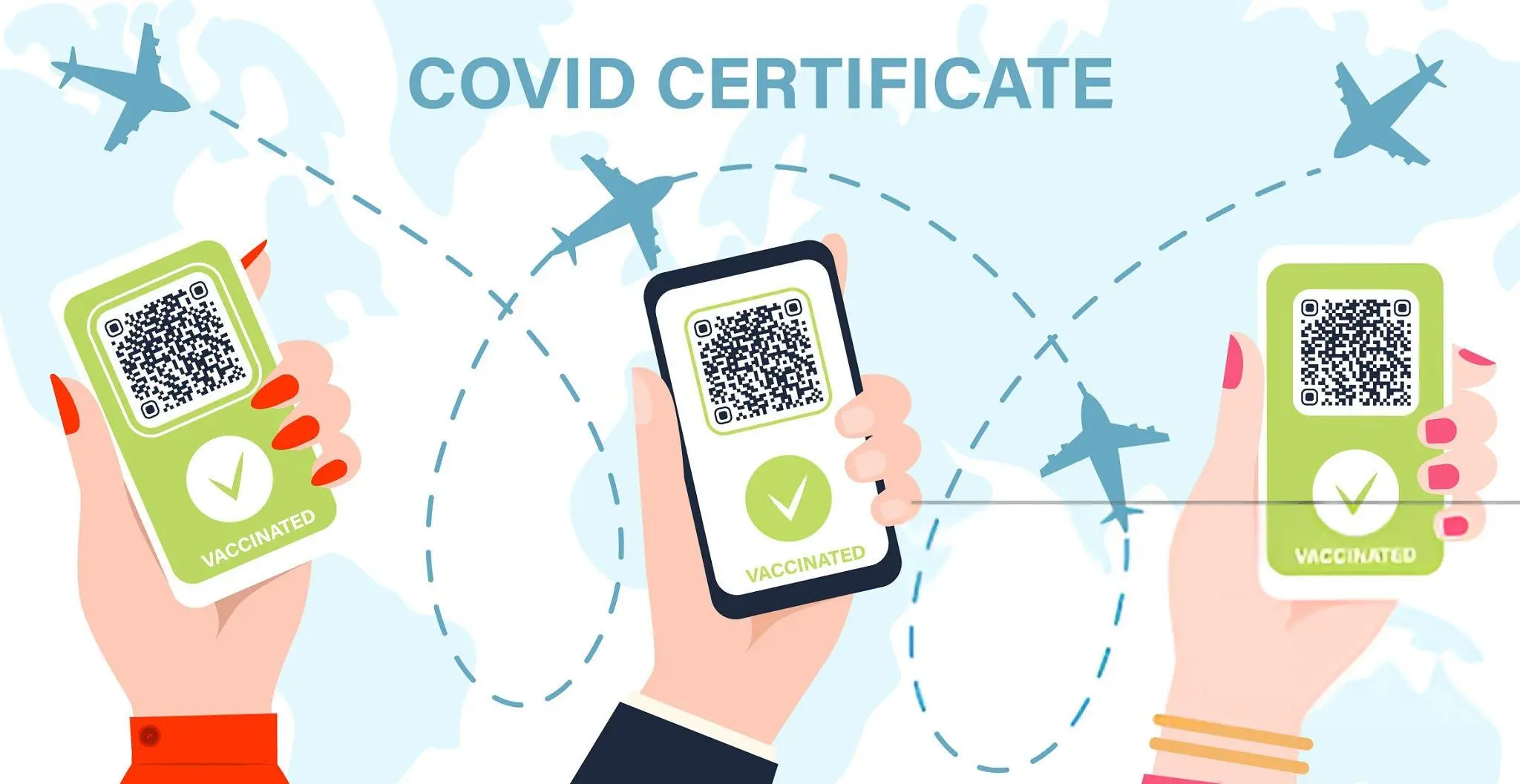
Travel medical certificate is a type of medical certificate required by some countries to enter or exit the country. This type of medical certificate may be required in order to provide a negative COVID-19 test result or proof of vaccination.

Sports Medical certificate:

Getting a sports online medical certificate means getting a medical evaluation or certificate through an online site or telehealth service. This could be for a sports or exercise program. This type of medical paper may be needed to assess a person’s physical health and decide if they are healthy enough to take part in the program.

School Medical certificate Online:

School medical certificate online means getting a medical test or certificate through an online site. Telehealth service so that you can go to school or take part in school-related activities. This kind of medical certificate may be needed to check a person’s health. And decide if they are healthy enough to go to school or take part in certain activities.

Work medical certificate:

A work medical certificate is a paper from a doctor that some organizations or companies need. It is for you to go back to work after being sick or as a rule for employment. This type of medical certificate may be needed to show that a person is healthy. A person is to go back to work and won’t spread their illness to others.

Physical competency assessment medical certificate:

A physical competency assessment medical certificate is a document issued by a doctor. Doctor stating that a person is capable of doing specific tasks or activities. Some businesses or organizations must do this to ensure that a person is fit to perform certain tasks or activities. A medical certificate of this type may be required to assess a person’s strength, endurance, and physical health.

COVID-19 medical certificate:

COVID-19 medical certificate is a type of medical certificate that shows that a person has met the medical standards for the COVID-19 pandemic. It is something that many businesses and groups need. This type of medical record might be needed to show that a COVID-19 test came back negative or that you were vaccinated.

Read More: How To Get Online Medical Certificate For Covid-19?

Telehealth and Medical certificate Online

Telehealth and medical certificate online in Australia are two of the most important ways that the health care business is changing. Here are a few important things to remember about Telehealth and getting a medical certificate online:

  • Telehealth is a service that lets people get medical help from afar using phone calls, video chat, and other digital tools. During the COVID-19 pandemic, this service is helpful because it keeps people from going to a hospital and getting the virus from there.
  • When you get an online medical certificate, you get a medical exam or certificate through an online site or virtual service. Through this process, people can get a medical review or certificate online through video conferencing, phone calls, or other digital means.
  • Telehealth and online medical certificates can be used for many jobs and activities, like going back to work after being sick. Starting a sports or exercise plan, going to school, or going abroad. The exact requirements for Telehealth and medical certifications rely on why the school or company needs them and what they will be used for.
  • Telehealth and online medical certificates can be easy, quick, and cheap ways to get the medical care you need for work or other needs. They might also be better than going to the hospital in person because it makes it less likely that someone will get sick.

Do you need a medical certificate with Telehealth?

Do you need a medical certificate for work, travel, or other activities? Do you want a convenient and cost-effective way to obtain this certificate? Telehealth may be the solution you’re looking for! If you’re in need of a medical certificate and want to explore the convenience and benefits of Telehealth, don’t hesitate to reach out to us. Telehealthdr’s team of healthcare professionals is here to help you obtain the medical certificate delivered by home healthcare professionals.

Conclusion

In the end, there are many good things about online medical documents. Online medical certificate is a handy way to get a medical exam or certificate because it lets people get care from a distance. Getting a medical exam or certificate online is a quick and easy way to get what you need. Telehealthdr medical certificate online is a great way to make sure people and organisations are safe. They are healthy and to protect people’s and communities’ well-being.

FAQs

Is medical certificate online safe and accurate?

Online Medical certificates are generally considered to be safe and accurate, as it is conducted by qualified healthcare professionals.

Can I use medical certificates online for all types of medical care?

Medical certificates online are generally best suited for routine or non-emergency medical care.

Is a medical certificate online covered by insurance?

Whether a medical certificate online is covered by insurance will depend on the specific terms of your insurance policy and the healthcare provider you are using.

How do I schedule a medical certificate appointment online?

To schedule a medical certificate appointment online, you will need to contact a Telehealthdr.

What is the main step to get a medical certificate?

The first step is to choose your preferred and professional healthcare service like Telehealthdr

How to Cure STD without going to the Doctor

STD stands for sexually transmitted diseases, aka sexually transmitted infections. They are
transmitted through sexual contact, including unvaginal, anal, and oral sex. Some of the commonest
are syphilis, HIV, AIDS, hepatitis B, HPV, etc. These types will be discussed in detail later on in the blog.

Going to the doctor for STDs can be very challenging and embarrassing for the individual, which
can result in the aggregation of the condition, which can be very damaging due to a lack of medical care.
People try to opt for home remedies, which only sometimes prove useful.

Transmission

STDs can be bacterial, viral, or fungal. These viruses are transmitted mostly through
unprotected sex with multiple partners, and few can even be transmitted through contact with the
skin. Some can be transmitted through blood or from mother to child during birth or breastfeeding.

Symptoms:

Symptoms for different STDs can vary, but a few common symptoms are listed below:
1) Pain and burning during urination.
2) Itching in the genital area.
3) Abnormal discharge from the penis or vaginal area.
4) Abnormal vaginal bleeding.
5) Sores or blisters in the affected area.
6) Painful or swollen testicles.
7) Fever, fatigue, or swollen lymph nodes.

Wouldn’t it be great if the patients didn’t have to go to the doctor and could get timely help through the
comfort of their homes? In this blog, we will discuss how people can get help with STDs at home.
and if it’s helpful or not. In this regard, telehealth has a very useful impact. Telehealth has caused
a shift in trend from at-home remedies to professional care.

Role of Telehealth:

Some of its benefits are listed below:

1) Increased Patient Engagement

Due to telehealth, patients can receive attention from highly qualified doctors, even in rural or
underserved areas, so they don’t have to travel to faraway places to get medical attention. Doctors can
easily follow up with their patients, which helps treat diseases most effectively and efficiently.
possible.

2) Mental peace:

Many patients find it embarrassing to go to the hospital for STDs, and due to this reason, many
Conditions can become critical, but with telehealth, they find it easy and relaxed and do not shy away.
from getting help.

3) Remote sample collection

Telehealth services have offered patients the opportunity the opportunity to collect samples at home with remote STD testing kits.
which can be used easily, and sent to the lab via mail.

4) Timely intervention

Through telehealth, specialists can assess symptoms, prescribe medication, and also give
preventive advice to the patient. They can closely monitor the patient and know if the patient’s
Health is deteriorating, and intervention is needed.

5) Counseling and education

Telehealth platforms provide education regarding safe sex practices and prevention and
symptoms of STDs. Patients’s concerns can be answered in a one-on-one meeting.

Treatment:

Treatment varies depending on type, severity, and individual factors like age and underlying
conditions. Some STDs can be cured, but some can only be managed but not cured.

The best treatment is prevention. Safe, protected sex can help eliminate such issues. There are
vaccinations available for some STDs like HPV and Hepatitis B.

Treatments for some common STDs are:

Chlamydia:

It can be treated with a course of antibiotics such as azithromycin or doxycycline. Sexual partners
should be asked to get tested and treated to prevent disease.

Gonorrhoea:

It is treated with a combination of ceftriaxone and either azithromycin or doxycycline. The partner
should be dealt with in the same way as chlamydia.

Syphilis:

It is treated mostly with a single injection of penicillin(an antibiotic) or sometimes multiple doses.
depending on stage and severity.

Genital Herpes:

Antivirals such as acyclovir or valacyclovir are used in the treatment. Acyclovir is taken several
times a day for 5–10 days; on the other hand, valacyclovir is taken less frequently.

Genital warts( HPV):

Various treatment options are available depending on severity.

Topical creams, like podofilox, are used. Wats can be removed via cautery, cryotherapy, or surgical
excision. Difficult cases can be treated via interferon injections and meticulous hygiene.
At telehealth, effective and safe treatment for sexually transmitted infections is available.
which can be acquired on the premises of your home. Our highly skilled team is readily available.
for help 24/7.

What is Pathology Test? All About Pathology Test you Should Know

Pathology is the complete detailed examination of a sample which can be a blood sample, a urine sample, or a tissue specimen. A pathology test gives a picture of what is going inside the body. Through this, the doctor can diagnose and investigate diseases and infections.

Need for a Pathology Test

A pathology test is needed in order to diagnose a disease of a patient. Sometimes only one pathology test is not sufficient to lead towards a probable diagnosis; it may just give a clue towards a diagnosis. It helps the doctor in making a differential diagnosis. After that more specified pathology tests are performed to lead towards the actual diagnosis of the disease.

Results of a Pathology Test

Pathology test results consists of different values. Normal ranges of these values from minimum normal limit to upper normal limit are usually mentioned in the test reports for the ease of interpreting the results. From these values a doctor can easily find out where the actual problem lies. You can get online Pathology Services here.

Types of Pathology Tests

There are various types of pathology tests. These are selected by the doctor depending on which test needs to be performed in order to establish a diagnosis. Initially non-specific tests are performed and then moved towards more specified tests. Non Specific Tests ESR (Erythrocyte Sedimentation Rate) is a non-specific test. It only tells us whether the infection is occurring in the body or not. It does not give the diagnosis. Similarly Hb (hemoglobin test) is performed; it just gives information about, whether the person’s blood is sufficient to meet the body’s demands or not. It does not tell about the underlying reasons why the Hb of the patient is low. Pathology tests can also be classified on the basis of the sample taken for example.

Blood Tests

In these tests blood is drawn from the blood vessel and then examined either under microscope or some other instrument. Blood as a whole is not used for all the tests. Usually only the component called serum is used. Serum is a liquid that is devoid of blood cells. This is obtained by centrifuging the blood,resulting in separation of heavy blood cells down in the tube and yellowish colored serum above. Blood/serum tests include CBC (Complete Blood Count) ESR (Erythrocyte Sedimentation Rate) Hemoglobin estimation Blood grouping Blood glucose test Lipid profile: It is checked in the cases where there are chances of heart attack due to narrowing of blood capillaries. It also helps in ruling out the cause of hypertension. It consists of Serum cholesterol levels HDL levels LDL levels Other blood tests that are related to specific systems of the body for example LFT (Liver Function Test): It measures the levels of specific enzymes of the liver in blood. In cases of any liver disease or liver cirrhosis their levels are markedly raised. It consists of measuring Serum bilirubin levels serum ALT (Alkaline transaminase) levels, serum AST (Aspartate transaminase) levels and serum Alkaline phosphatase levels. RFT (Renal Function Test): It checks the normal functioning of the kidney. It measures the levels of Urea Creatinine Uric acid Calcium Phosphorus Sodium Potassium Chloride Thyroid profile It consists of TSH levels TRH levels T3 and T4 levels Urine Tests Urine test are also performed to check the functioning of kidney.

CSF Test

This is a cerebrospinal fluid (fluid of the brain). It is withdrawn for the diagnosis of tumors of brain, infections of brain like meningitis or encephalitis etc.

Sputum Test

Microscopic examination of sputum is used to diagnose infectious diseases of the respiratory system.

Synovial fluid Examination

It is done in the cases of diseases of the joints like arthritis, gout etc

Tissue Specimens or Biopsy for Pathology Tests

Biopsy: It is a cut section of the tissue that is subjected for examination under a microscope. The cut section can be taken from the live tissue or it can also be taken from a dead organ to rule out the cause of death. It is usually done to rule out any abnormal cancerous growth in the tissue. Examples of biopsies include Thyroid tissue biopsy Liver biopsy Skin biopsy Biopsy from breast

Conclusion

There is a huge list of pathology tests that are performed in laboratories for the sake of diagnosis. They are mandatory to rule out the actual cause and to determine the appropriate treatment of the disease. Without a pathology test, it becomes impossible to find the disease. It is better to perform the diagnostic test before taking any treatment in order to avoid any misuse or side effects of unnecessary medicine.

Frequently Asked Questions (FAQs)

What tests are done in pathology?

There are several tests which are done pathology they include Blood tests Urine tests Sputum test CSF (cerebro spinal fluid) test Synovial fluid test Microscopic examinations Tissue biopsy examination

Why do I need a pathology test?

Pathology test is needed to rule out the actual disease so that the proper treatment can be taken accordingly. Pathology tests also help in ruling out the cause of disease, in planning for the management of disease, to plan the treatment strategy etc.

What do they test in a full blood test?

In a full blood test, also known as complete blood count (CBC), the levels of different blood cells are counted. It counts the levels of Red blood cells White blood cells o Neutrophils o Eosinophils o Basophils Platelets count Hemoglobin levels

How long does pathology usually take?

It usually depends upon the type of the test that is performed. Some tests take only a few minutes like a hemoglobin test, some test require an hour, while some tests need much more time, even days to produce a result for example TB test.

Is pathology and biopsy the same?

They can be considered as the same. Biopsy is a type of pathology test in which a tissue specimen from live or dead tissue is taken and subjected for detailed examination.

How do I read my pathology report?

The name of the patient and the date at which the sample was taken is mentioned on the report. The age, gender and usually the address is also mentioned. Usually the normal value ranges or parameters are mentioned in the lab report. It ranges from lower normal limit to upper normal limit. Pathology report results are matched with these ranges and then interpreted.

Who can interpret pathology results?

Reading a pathology report is not just sufficient; it can accurately be interpreted by a pathologist. A pathologist reads the report, matches the values and then understands what changes are going on and what they are producing inside the body. They know which values within the parameters can lead to any disease in the body.

What can pathology samples tell the doctor about their patient?

A pathology test tells the doctor about the underlying pathological changes that are taking place inside the patient. It can indicate the stage of the disease. The probable outcome of the disease can also be determined. Pathology tests also help the doctor in choosing the best treatment for the patient.

How to manage low blood pressure

Normal blood pressure 

Blood pressure refers to the pressure of blood within the blood channels. There are two possible conditions of blood pressure:

High pressure: Also known as ‘ systolic blood pressure’. It is the pressure in the blood channels when the heart pumps and fills them up with blood.

Low pressure: Also known as ‘diastolic blood pressure’. It is the pressure in the blood channels when the heart relaxes between heartbeats.

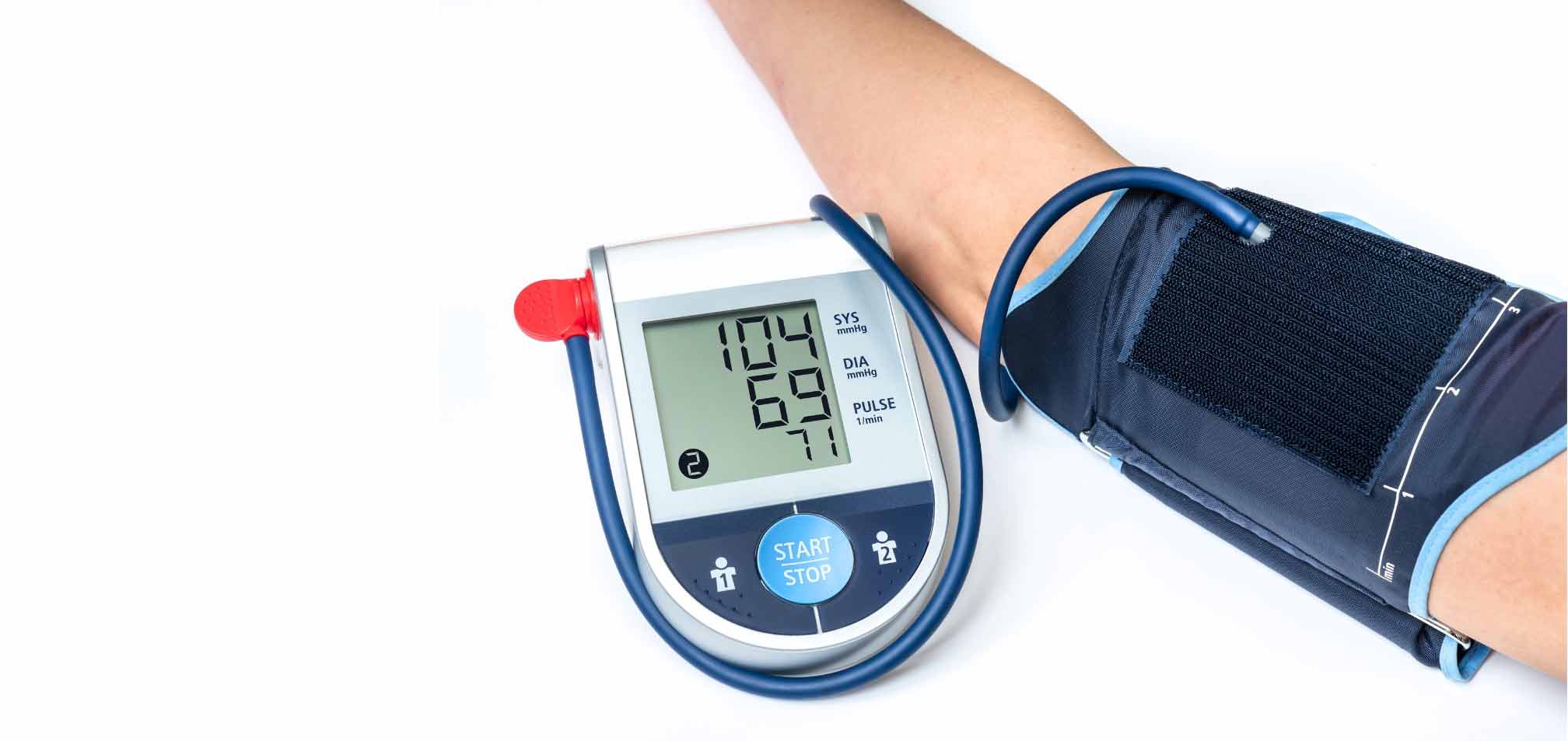
Normal blood pressure is 120/80, where 120 is the top number and 80 is the bottom one.

Low blood pressure 

Low blood pressure is also called as ‘hypotension’ in medical terms. It is defined as having blood pressure less than 90/60. It is a fairly common medical condition, especially affecting older people. It is usually not harmful, but if it is persistent or if it causes serious symptoms like dizziness or falls then it should be evaluated in detail by a healthcare professional.

Symptoms of low blood pressure: 

Low blood pressure may not cause any symptoms at all, but sometimes patients may experience :

1- dizziness

2-fainting episodes

3-racing and pacing of heart

4-apprehension

5-sweating

6-blurring of vision

7- tremors

8-confusion

9-fatigue and weakness.

Causes of low blood pressure:

In most of the cases, there is no serious underlying cause. However if one experiences continuous symptomatic low blood pressure, then it can be due to some specific underlying cause like,

Dehydration: or low water content of blood. It can be due to any cause like diarrhea, vomiting etc.

Blood loss: if large in amount, it may cause hypotension. It can be due to internal or external bleeding.

Heart diseases: heart is the main organ, which is involved with pumping of blood throughout the body. Any disease of the heart that weakens it can cause low blood pressure.

Glandular diseases: like diabetes mellitus, Addison’s, and panhypopituitarism are all examples of diseases in which deficiency of some proteins called hormones may result in low blood pressure.

Pregnancy: a very common cause of low blood pressure in females.

Drug induced: Overuse or inappropriate dosage of certain medications like diuretics or antihypertensive medications may also cause low blood pressure.

Orthostatic hypotension: hypotension resulting from the sudden change in posture or position, common in people of older age groups.

Allergic reactions: also known as anaphylaxis, May also cause low blood pressure.

Severe infections: also known as sepsis, can be the underlying cause especially in severely sick people.

Blood clots in lungs: also known as pulmonary embolism, is a serious life threatening condition that may lead to blockage of blood flow causing low blood pressure.

Diagnostic Tests:

Usually, patients with low blood pressure are just advised to monitor their blood pressure and keep a record. Extensive testing is usually not required, however, if patients suffer from continuously low blood pressure or develop symptoms, this may prompt the healthcare providers to advise further tests. They may include :

  • Complete Blood count: to look for the blood counts.
  • Blood sugar levels, Thyroid function tests: to look for any glandular issue
  • Electrocardiogram ( ECG) and Echocardiography: to look for any heart disease.
  • Tilt table test: it’s a special test to diagnose orthostatic hypotension. It tests the response of the body to any change in posture.

Management of low blood pressure: 

Adequate levels of blood pressure are necessary for the proper functioning of human body. If low blood pressure is due to an underlying pathological condition, then treatment is to treat the underlying cause. However, some lifestyle changes can be done to deal with this condition they include:

increased water intake: water is a major component of blood. To maintain our blood pressure within normal limit, we should ensure that we are drinking adequate amount of water i-e at least 6-8 glasses of water per day.

increased salt intake: if we increase salt component of our diet, our body automatically starts to retain more fluid inside our body to maintain balance and  in this way it raises blood pressure.

wearing compression stockings: compression stockings are special types of stockings that work by applying gentle pressure on the legs, thereby increasing blood flow in the legs and improving blood pressure.

Adjusting the dosage of bp lowering medications: many medications like diuretics and antihypertensives work by lowering blood pressure, their dosages should be adjusted after discussion with your physician.

Avoiding sudden changes in posture: many times sudden changes in posture like suddenly standing up from bed in the morning can lead to low blood pressure, we can prevent this by avoiding any sudden changes in posture.

Medications: some medications like fludrocortisone may be given by your doctor to raise blood pressure.

When to visit a doctor?

Low blood pressure can be dangerous, contact your healthcare provider, if you have,

  • Persistently low blood pressure.
  • Fainting episodes or dizzy spells.
  • chest pain.
  • abnormal perception of a heartbeat.
  • confusion

symptoms suggestive of extremely low blood pressure or shock, like,

  • cold clammy skin
  • sweating
  • fast and shallow breathing
  • rapid heartbeat
  • decreased urine output.

In case of emergency, you may need urgent treatment with Intravenous fluid boluses and certain Intravenous medications ( inotropes) which increase blood pressure and strength heart.

Our team at Telehealth doctor is available to help you with this condition. Our team consists of expert physicians with years of experience in the medical field. They are available throughout the week to help and guide you.

How to Get Online Doctors Note 

Telemedicine has revolutionised the way healthcare is delivered.It has made healthcare easily accessible to everyone everywhere. Now patients can interact with doctors of different specialties through their phones and computers. They don’t have to travel or take special time out to visit a doctor , as now they can get high quality healthcare from the comfort of their homes . There are a variety of services which are offered through telemedicine like online consultations, online medical prescriptions and management of various acute and chronic conditions.Provision of a doctor’s note is also one of the services which we are offering through out platform of telehealth doctor.

What is a doctor’s note?

A doctor’s note also known as doctor’s excuse, is a legal document written by a qualified healthcare professional . It confirms the patient’s visit to a doctor and contains information regarding the underlying medical condition. It also provides recommendation regarding days off from work if needed. It is basically used as a proof of a person’s visit to a doctor for any medical illness.

What is the purpose of a doctor’s note?

A doctors note is needed by working community to get sick leaves. Eligibility for paid or unpaid leaves can also be decided based on this document as per the company’s rules and regulations.

Students of schools, colleges and universities also need doctors note for leave if they fall sick and can’t attend their classes or sit in their exams due to it.

A doctor’s note can be issued for any type of sickness. Common reasons for getting doctors note include :

  • Fever
  • Diarrhea
  • Vomiting
  • Cough
  • Sore-throat
  • Common cold
  • Contagious skin infections like measles etc
  • Headache
  • Body aches

How to get a doctors note ?

All of us need doctor’s note at some time in life to keep things fair and to get compensation if applicable. It can be acquired after getting a checkup at a healthcare facility , or by consultation from a doctor via telehealth. Doctor’s note acquired by either of these ways is the same and has no difference.But now  with the help of telehealth doctor getting doctor’s note is a much more simpler process. You don’t have to travel or wait in long queues to get yourself checked and to get a doctor’s note , instead you can easily get it from the comfort of your home in a completely legal way .You just have to follow some simple steps :

1- visit our website https://telehealthdr.com.au/

2- Book an appointment with one of our doctors .Our panel of doctors include

Dr Faisal Khan

Dr MF Rafiq 

Both of our doctors are expert Australian registered physicians , who are authorised to issue  a doctor’s note.

3- Choose date and time which is convenient to you .

4- Do online payment and confirm your appointment

5-consultation will be provided by our expert  doctor on your chosen time and date.

They will not only write a doctor’s note for you , but will also assess you in detail and prescribe you appropriate medication.

6-Immediately after consultation your doctor’s note will be ready , you can download it from your telehealth doctor profile.

Why only telehealth doctor?

Telehealth doctor is a reliable platform , which provides telemedicine services all over Australia. Our team consists of highly skilled doctors who have years of medical experience.  Our goal is to provide high quality affordable healthcare to everyone in Australia. We provide various medical services and providing doctors note is one of them . Choose telehealth doctor because ,

No travelling 

You can get it from the comfort of your home , thus saving yourself from the hassle of travelling , thereby giving more time to your body to rest and heal.

No waiting 

You don’t even have to wait for your turn at a doctor’s clinic to get doctor’s note. Instead now through telehealth doctor we will provide you with your required doctors note within minutes of your appointment.

Whole week availability 

Our team at telehealth doctor is available 7 days a week. You can book an appointment on time and date suitable to you and our team will  contact you at your chosen time.

Authenticity  

Our provided doctor’s notes are very authentic as they are advised by experienced Australian registered doctors. They are usually

accepted everywhere in Australia and can be used for work or study purpose without any worry.

Affordability 

Our prices are also very affordable, a doctor’s note is worth $50 only. These charges are substantially less than the cost of practically visiting a doctor for a doctor’s note.

strict confidentiality 

Whatever you discuss with our expert doctors, it will remain highly confidential. A patient’s privacy is our responsibility.

top quality medical consultation 

At telehealth doctor we believe in providing highest quality of care to our clients.Our team consists of  highly skilled doctors , who have years of experience in the medical field. They are experts in diagnosing and treating various medical conditions.In addition to the provision of doctor’s note , our physicians will also assess you in detail and prescribe appropriate treatment for you underlying ailment.

Now with telehealth doctor getting paid sick leave from work or getting off days from university is not an issue anymore. So feel free to reach out to us at https://telehealthdr.com.au/ for getting doctor’s note easily. It’s convenient , hassle free and affordable.

Strep Throat: Symptoms, Causes, Diagnosis, and Treatment

A throat infection is one of the most common conditions that a physician encounters on an everyday basis. Strep throat is also a type of throat infection, which is fairly common and accounts for about 5.2 million outpatient visits each year. It most commonly affects children and adolescents, with a peak incidence in the winter and early spring.

Cause :

Strep throat is caused by an infection with a bacterium known as Streptococcus pyogenes. The genus Streptococcus has over 20 species, with complex further classification. Out of these several types, Streptococcus pyogenes, which is a group a beta hemolytic streptococcus, is particularly associated with disease in humans. It causes an array of diseases, including strep throat, skin or wound infections (impetigo and cellulitis), scarlet fever, pneumonia, muscle infection (necrotizing fasciitis), shock syndrome, kidney disease (post-streptococcal glomerulonephritis), and rheumatic fever.

Transmission:

Streptococcus pyogenes infection is highly contagious. It can spread directly via respiratory droplets during coughing or sneezing by the infected person, or by hand contact with respiratory droplets or any infected surface. In patients with a skin infection with Streptococcus pyogens, direct contact with the skin lesion can also be a source of infection transmission.

Symptoms:

Strep throat can cause:

  •  fever
  • throat pain
  • decreased appetite
  • swelling and redness of the throat
  • white patches inside the throat
  • swelling of lymph nodes in the neck
  • painful swallowing

Here it is worth mentioning that strep throat DOES NOT cause cough or flu (rhinitis).. If present, these symptoms suggest another aetiology, like viral pharyngitis, etc.

Complications:

Peritonsillar abscess: if not treated promptly, strep throat can result in throat abscess formation, which can cause significant morbidity and mortality.

Scarlet fever: sometimes patients infected with strep throat develop a generalised reddish rash over their whole body, which is known as scarlet fever.

streptococcal toxic shock syndrome: It is a deadly complication arising after a severe infection. It results in the patient becoming hemodynamically unstable and going in a state of shock secondarily  to severe infection.

Rheumatic Fever: It is a delayed complication of infection with Streptococcus pyogenes, occurring about 2–3 weeks after a throat infection. It is a serious condition with various clinical manifestations like joint pains (arthritis), involvement of the heart (carditis), abnormal body movements (chorea), and skin changes (subcutaneous nodules and erythema marginatum).

Post-streptococcal glomerulonephritis: It is another delayed complication of strep throat, occurring about one to two weeks after the throat infection. It is basically a type of kidney injury that may present with increased blood pressure, blood in the urine, body swelling, etc.

Diagnosis:

If a person presents signs and symptoms suggestive of strep throat, then the doctor may advise further tests to confirm the diagnosis. Currently, two tests are recommended for the diagnosis of strep throat. They are as follows:

Rapid antigen detection test (RADT) or the Rapid Strep Test:

It is a simple test done at the doctor’s clinic. It is not painful, but it may cause slight discomfort to the patient.

To do this test, your doctor will use a long cotton swab to take a sample from the back of your throat. Afterwards, that sample is tested for streptococcus pyogenes with the help of a kit. Results are usually available in about 5 minutes. This test is very specific for strep throat but not very sensitive, which means that it can miss some cases of strep throat. So keeping this in mind, if a rapid strep test comes out negative, then your doctor may advise another test called a throat culture.

Throat culture:

It is the gold standard for the diagnosis of strep throat. Samples for throat culture are taken in the same way as those for the rapid streptomycin test, that is, by using a long cotton swab, and then that sample is sent to the laboratory for further testing. It may take 24-48 hours to get results.

Treatment:

As strep throat is a bacterial infection,  it is treated with the help of antibiotics. Antibiotics help relieve the symptoms of strep throat and prevent further complications. The first line of treatment is penicillin or amoxicillin, but if a patient is allergic to these drugs, then other drugs like azithromycin can also be used. Usually, a 10-day course of treatment with antibiotics is recommended. Following antibiotic treatment, patients may see the resolution of symptoms within one to three days and may return to work or school after 24 hours of treatment.

Prevention:

Although there is no vaccine or medicine that can be used prophylactically to prevent strep throat, there are a lot of simple ways in which strep throat can be prevented. Good hand hygiene is the most effective way to prevent strep throat. Regular hand washing with soap and water is highly recommended for both children and adults. Infected people should be encouraged to cover their faces, especially while coughing and sneezing. Avoid sharing personal items, like eating and drinking utensils, with sick people.

Why is my strep throat not going away?

There can be many reasons for a prolonged strep throat infection; maybe you are not taking appropriate treatment. Or maybe you are infected with a resistant type of bug that doesn’t respond to usual antibiotics and needs certain special antibiotics for eradication.

Can a strep throat cause a skin infection?

Yes, sometimes that happens. Basically, the bacteria causing strep throat can release certain toxins, which results in a generalised reddish rash; this condition is known as scarlet fever.

Can you get over strep throat without taking antibiotics?

Yes, strep throat may go away on its own. But antibiotics are highly recommended because they help relieve the symptoms faster, along with preventing transmission and further complications.

Can you get strep while on antibiotics?

Yes, it depends on the type of antibiotic you are taking. Each antibiotic has its own spectrum of microbes that it can kill or inactivate. If you are taking an antibiotic that is effective against Streptococcus pyogenes, only then are you protected from streptococcus.

Kidney Infection: Symptoms, Causes, and Treatment

Pyelonephritis, or kidney infection, is caused by viruses or bacteria. Typically, it arises in the bladder and then passes to the kidney with urithers(a duct that connects the bladder with the kidney). Its common symptoms are fever, nausea, pain in the back and belly, and dark-colored urine.

Do you know that a minor infection in the kidney can turn into severe medical conditions such as chronic kidney damage and sepsis? Therefore, learning about this infection in detail, including its causes and treatment, is necessary to avoid significant problems. In this blog, we will discuss Symptoms, causes, and treatments in detail to create awareness among our audience about this infection. So, let’s start.

Kidney Infection Symptoms

The symptoms vary according to the age factor. A younger child may only experience fever, while an older adult over 65 has a problem with thinking. Some shared general symptoms are

  • Fever
  • Nausea
  • Vomiting
  • Pain while urination
  • Dark-colored urine or foul smell of urine
  • Pain in back
  • Pain in belly

What Are The Kidney Infection Causes?

Escherichia coli is the leading cause of this infection. It usually lives in the intestine and does not harm you at all. However, if it enters the bladder, it causes great trouble. Now the question is how it can enter into the bladder. As it lives in the intestine, feces contain E.coli bacteria, and a minute amount of feces enters the urinary tract through the urethra opening, moves to the bladder, and starts multiplying there. Besides E.coli, some other bacteria and viruses are responsible for the infection in the kidney.

Who is at More Risk of Getting Pyelonephritis?

Regarding the age Factor, younger children and adults above 65 are more prone to getting this infection. The reason is that children have a condition known as vesicoureteral reflux. It is a condition in which the backflow of a small amount of urine from the bladder into tubes occurs. These tubes connect with the kidney, and infection occurs.

In terms of gender, females are at a higher potential risk of getting an infection in the kidneys because they have shorter urethra than men, due to which bacteria can easily reach the bladder and kidneys. Another reason is that their urethra is closer to the anus, due to which e.coli from the feces approaches the bladder quickly and then moves toward the kidney and causes the infection there.

Possible Risk Factors for Getting Infection in Kidneys

Besides age and gender, some other risk factors increase a person’s risk of contracting an infection. Below are the details about these risk factors.

Blockage in Urination

Any hindrance that stops you from emptying your bladder completely is a potential risk factor for growing bacteria in your bladder. This hindrance may be a stone, enlarged prostate gland, or narrowing urethra.

Week Immune System

Some diseases, such as Diabetes and  HIV, weaken the immune system and leave the person at risk of infection in the kidney. Moreover, some medicines, especially the drugs after an organ transplant, also lower the immunity level and cause this infection.

Catheter Insertion for Urination

Catheters are tubes that are inserted into the human body for urination after surgery or in persons who are not able to move and pee independently. They are also a major risk factor for infection in kidneys. The reason for this is that bacteria from the skin or the surrounding environment can directly enter the urethra and pass to the bladder, ultimately leading to Pyelonephritis.

Nerve Damage Around the Bladder

If the nerves around the bladder are damaged in a person, then he can not feel the initial symptoms, such as pain in the bladder or heavy bladder, ultimately leading to severe Pyelonephritis.

If you’re experiencing any of the above and need to consult a doctor urgently, book an online appointment at TelehealthDr.

Preventive Measures

It is always better to take preventive measures than to cure. So, here are some preventive measures to avoid infection.

  • Pee on time and never hold it for a long time.
  • Always urinate after having sex so that bacteria flush out through urination.
  • Wipe out your vagina and penis thoroughly to make proper hygiene.
  • Never use unnecessary sprays of deodorant around your genital areas.

Home Remedies For Minor Kidney Infection Symptoms

If you are experiencing minor symptoms such as bearable bladder pain, mild nausea, or slight pain in the back or belly, follow the home remedies given below.

  • Drink a lot of fluid so that you feel the urge to pee frequently and flush out the bacteria through urination from your bladder before it reaches your kidneys.
  • Never hold the pee and empty the bladder whenever you need the urge to pee.
  • Use a pain reliever that contains acetaminophen; never opt for aspirin, ibuprofen, or naproxen.

When to Go to Hospital?

If the symptoms are severe and do not go away with the home remedies, you must immediately visit the doctor. Pyelonephritis during pregnancy is also a must hospital visit condition. Moreover, suppose you are under treatment for a UTI (urinary tract infection) and not getting well. In that case, you must go to the doctor for checkup because untreated UTI leads to Pyelonephritis.

Do you want to know the difference between UTI and infection in kidneys? Let’s clarify the significant difference.

UTI vs kidney Infection

UTI (urinary tract infection) infects the bladder and urethra, and its symptoms are similar to those of Pyelonephritis. However, Pyelonephritisn affects the kidneys and can make you severely ill with severe symptoms such as fever, nausea, vomiting, etc.

Let’s move back to our main topic.

Diagnosis And Tests for Pyelonephritis

Only expert physicians can tell you whether you have a UTI or aPyelonephritis. Usually, doctors perform CT scans, urine tests, or blood tests to diagnose your conditions and prescribe medications accordingly.

Kidney Infection Treatments

The treatment depends upon the severity of the infection. The following are the treatments for diversified levels of infections in kidney.

Antibiotic Treatment

If your doctor thinks that your infection is curable, The general antibiotics that doctors prescribe for infections in the kidneys are

  • Trimethoprim-sulfamethoxazole (TMP-SMX).
  • Amoxicillin or augmentin.
  • Ceftriaxone or cephalexin.
  • Ciprofloxacin or levofloxacin

What is the Kidney Infection Recovery Time With Antibiotics

For complete recovery, you must take the medications for almost seven days, and after two to three days of medicine intake, you will start feeling better. However, complete your antibiotics course even if you start feeling better, and always have a repeat urine or blood test to know whether you have fully recovered.

Hospitalization Treatment

If your infection is severe and your doctor thinks it will not be cured with antibiotics, hospitalization is necessary. You will have to go through various IV (intravenous) fluids and antibiotics to recover. The treatment time at the hospital depends upon the severity of the infection and your immunity to recover. The sooner you get better, the sooner you will be discharged.

If you get repeated Pyelonephritis, this is a sign that you have a serious problem in your urinary system or kidney, and you should be referred to a urologist or nephrologist accordingly.

Complications in Untreated Pyelonephritis

If you don’t have treatment for Pyelonephritis on time, then it leads to severe complications.

Septicemia

If bacteria enter the blood from your kidney, they move towards the body’s various organs and start destroying them. This chronic condition requires emergency help from specialists. If septicemia remains untreated, the body’s autoimmune system starts inflammation in different parts of the body, leading to sudden sepsis shock and death.

Renal papillary necrosis

It is a very rare condition, and In this, kidney damage.

Emphysematous Pyelonephritis

This condition occurs in diabetic people if they have an untreated Pyelonephritis. In this situation, bacteria start destroying parts of the kidneys and produce gas.

Final Words

Kidney infections are treatable if diagnosed early. While home remedies may help with minor symptoms, don’t delay seeing a doctor for more serious conditions. Visit TelehealthDr for easy access to online prescriptions, medical certificates, and doctor consultations—available 24/7 from the comfort of your home.

Frequently Asked Questions

How do UTIs differ from a kidney infection?

UTI is an infection in the lower urinary tract, while  infection in the kidneys directly affects them.

Why do kidney stones cause infections?

Kidney stones create blockages and hinder the bladder from emptying completely, which increases the chances of infections in kidneys.

Can a kidney infection be detected by a urine test?

Yes, it can be detected from a urine sample. Health providers check the urine sample for the presence of bacteria and viruses.

What are the possible causes of kidney infections?

The possible causes are

  • Nerve damage around the bladder
  • Week immune system
  • Blockage in urination due to stones or prostate glands
  • Narrowing urethra
  • Cather insertion after surgery

Do you get kidney pain with a UTI?

In UTI, you get pain from the mid to upper back. Sometimes, you can also experience a sudden stabbing pain in your kidney.

Can you have kidney stones without symptoms?

Yes, stones can remain in the kidney without any symptoms for years.

How do I know if my UTI is affecting my kidneys?

If your symptoms of UTI get worse and you experience fever, chills, nausea, lower back pain, and vomiting, then it’s an alarming sign that your UTI is affecting the kidneys.

Why do kidney stones cause frequent urination?

Kidney stones create pressure in the kidney and ureter, which causes inflammation in the urinary tract. The muscles of the ureter contract to move the stones out, and urinary tract nerves send signals to the brain for urination. As a result, a person feels the urge to pee frequently, even if there is only a small pee to urinate.

Book online (1300) 998-808