
Can Constipation Cause Back Pain? When to See a Doctor Online
It’s normal to wonder if your constipation is causing back pain. The answer is yes, constipation can trigger discomfort in your lower back, and it happens more often than most...
Reviewed by Dr. faisal khan (MBBS, FRACGP, FAMAC) - Consult Now
It’s normal to wonder if your constipation is causing back pain. The answer is yes, constipation can trigger discomfort in your lower back, and it happens more often than most people realise.
When your bowel is full or blocked, pressure builds up in your abdomen. This pressure can push against the nerves and muscles in your lower back, causing a dull ache or sharp pain. You might also feel bloated, crampy, or notice that the pain worsens when you sit or bend.
If your constipation or back pain is worrying you, you can speak with an Australian-registered GP online through Telehealth Dr. A quick consultation can help you understand what your symptoms mean and what to do next.
Can Constipation Cause Back Pain?
Yes. Can constipation cause back pain? It absolutely can.
When stool builds up in your intestines, it creates pressure in your abdomen and pelvic area. This pressure can affect the nerves in your lower back, especially around the lumbar spine. The result is often a dull, aching pain that feels deep or difficult to pinpoint.
Here’s how it happens:
- Your bowel sits close to your spine and pelvic nerves
- Hard or impacted stool presses against nearby structures
- Bloating stretches your abdomen and tightens your back muscles
- Straining during bowel movements stresses your lower back
Many Australians experience this, especially during stressful weeks or when their diet and water intake drop.
Also Read : https://telehealthdr.com.au/is-instant-scripts-legit/
Why Constipation Can Trigger Lower Back Pain
The connection between your digestive system and your back is physical. Your colon runs through your abdomen, right near your spine. When stool builds up, it takes up space. That extra bulk can press on the nerves that run from your spine down into your legs.
Here’s what happens inside your body:
Bowel pressure on the lumbar spine: A full or blocked bowel pushes backward toward your spine. This creates tension in the lower back area.
Impacted stool pressing on nerves: If stool becomes hard and stuck (called fecal impaction), it can compress the nerves near your pelvis. This may cause pain that radiates down one leg, similar to sciatica.
Abdominal distension and muscle tension: Bloating forces your abdominal muscles to stretch. Your back muscles tighten to compensate, which can lead to back pain and stiffness.
This type of pain usually improves once your bowel movement returns to normal.
What Constipation-Related Back Pain Feels Like:
Constipation-related back pain doesn’t always feel the same for everyone. Some people feel a mild ache, while others experience sharper discomfort.
Here’s where you might feel it:
- Lower back ache: A dull, deep pain across your lower back, often worse when sitting or lying flat
- Pain on one side: Sometimes the pain sits more on the left or right, depending on where the stool is trapped
- Pain that radiates down the leg: This feels like sciatica, a shooting or tingling sensation that moves from your lower back into your buttock or thigh
The pain often comes with bloating, cramping, or a feeling of fullness in your stomach. You may also notice you haven’t had a regular bowel movement in a few days.
Dehydration, Gas, and Bloating Pain vs Constipation Pain
It’s easy to confuse different types of stomach and back pain. Here’s how to tell them apart:
- Gas pain: Sharp, stabbing cramps that move around your abdomen. Usually relieved quickly by passing gas or burping.
- Bloating pain: A tight, swollen feeling in your stomach. Your belly may look larger than usual. Back pain is mild or absent.
- Constipation pain: A deep, dull ache in your lower back and pelvis. Often paired with hard stools, straining, and days without a bowel movement.
- Dehydration pain: General body aches, headache, and tiredness. Constipation may follow, but dehydration affects your whole body, not just your back.
If you’re not sure which type of pain you’re experiencing, a TelehealthDr GP can assess your symptoms and guide you toward the right treatment.
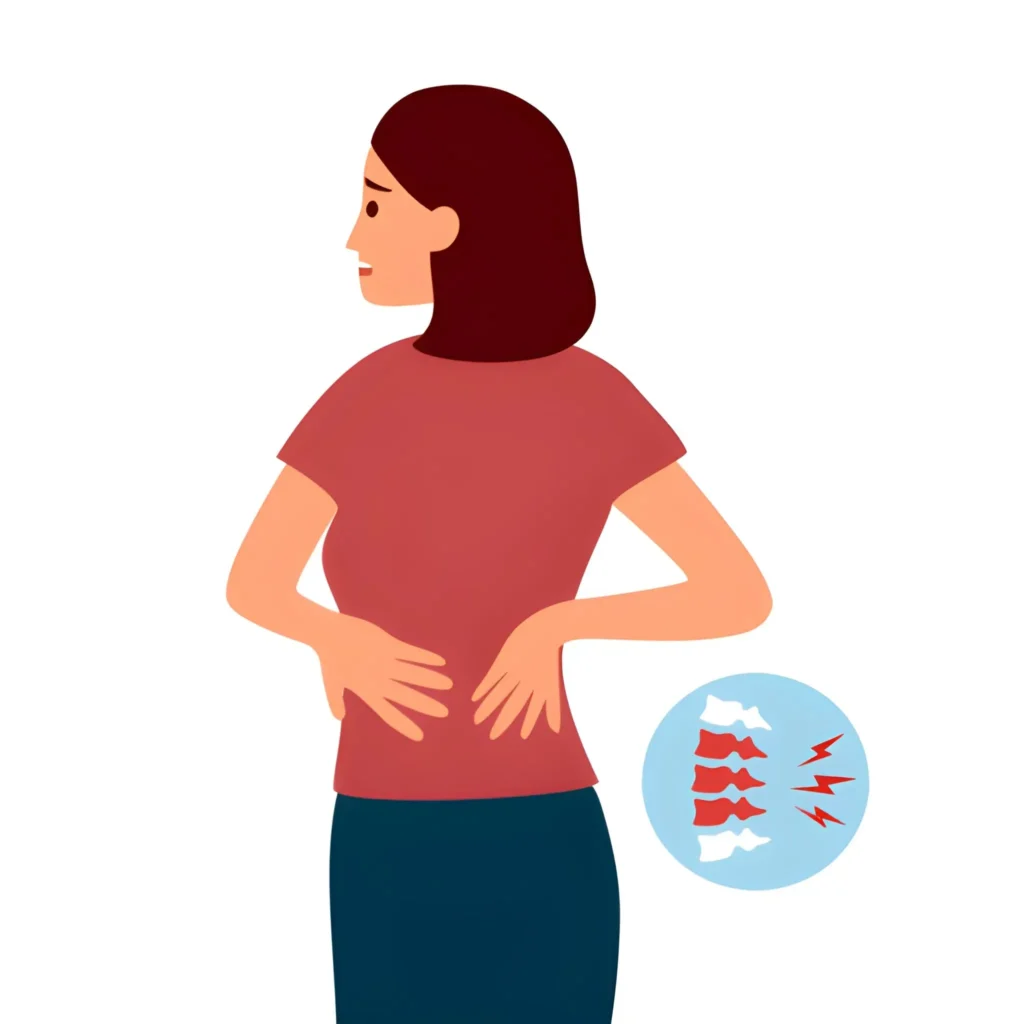
Symptoms of Constipation-Linked Back Pain
Here’s what constipation-related back pain usually looks like. You may experience some or all of these symptoms:
- Trouble passing stools or going less than three times a week
- Hard, dry stools that require straining
- Bloating, cramping, or nausea
- Pressure or aching in your lower back or pelvis
- Feeling like your bowel hasn’t fully emptied
- Pain that improves slightly after a bowel movement
If your back pain or constipation is affecting your work or study, you can request an online medical certificate through TelehealthDr. Our doctors issue valid certificates within minutes after your consultation.
When Constipation Pain Is More Than “Just Constipation”
Sometimes constipation becomes more serious. Watch for these warning signs:
- Fecal impaction: This is when stool becomes so hard and stuck that you can’t pass it at all. You may feel severe pressure, pain, or even leak small amounts of liquid stool around the blockage.
- Bowel obstruction: A complete blockage in your intestines. Symptoms include severe abdominal pain, vomiting, inability to pass gas, and a swollen belly.
- Red-flag symptoms: Fever, blood in your stool, black or tar-like stools, sudden weight loss, or pain so severe you can’t move.
If you notice any of these, contact a doctor immediately or visit an emergency department.
Why Constipation Causes Back Pain:
Understanding why constipation can cause back pain helps you manage it better. The link comes down to anatomy and pressure.
Your bowel and spine sit close together in your abdomen. When your colon fills with stool, it expands. This expansion creates pressure inside your belly. That pressure doesn’t just stay in one place; it pushes outward in all directions.
Here’s the step-by-step process:
- Pressure on pelvic nerves: Stool buildup presses on the nerves that run through your pelvis. These nerves connect to your lower back, so irritation in one area can cause pain in another.
- Spinal nerve irritation: The nerves that exit your spine near the lower back (lumbar region) can become compressed or irritated by a distended bowel. This is why constipation can mimic sciatica pain.
- Gut slowing and muscle stiffness: Constipation often means your digestive system has slowed down. This can happen when you’re inactive, dehydrated, or stressed. When your gut slows, the muscles around your abdomen and back become tense and stiff.
Once your bowel empties and the pressure eases, the back pain usually fades too.
Conditions That Make Constipation Pain Worse
Certain health conditions can make constipation cause back pain more intense or more frequent. Here are the most common ones:
- Irritable bowel syndrome (IBS): People with IBS often experience constipation alongside bloating and abdominal pain. Back pain is a common secondary symptom.
- Pregnancy: Hormonal changes during pregnancy slow down your digestive system. The growing uterus also puts pressure on your bowel and spine, which can lead to constipation and lower back pain together.
- Hormonal changes: Periods, menopause, or conditions like endometriosis can all affect bowel movements and increase pelvic and back pain.
- Medication side effects: Some medicines, like strong painkillers, antidepressants, or iron supplements, can cause chronic constipation. This often leads to ongoing back discomfort.
If you’re dealing with any of these conditions and your symptoms are getting worse, a telehealth consultation can help you adjust your treatment plan safely.
Home Remedies to Relieve Constipation-Related Back Pain
Most cases of constipation-related back pain respond well to simple home care. Here’s what works:
- Hydration: Drink a full glass of water now, then keep sipping throughout the day. Water softens stool and helps it move through your system.
- Fibre: Add more fruit, vegetables, and whole grains to your meals. Fibre makes stools easier to pass and supports regular bowel movements.
- Walking: Movement helps your gut move, too. A 10-minute walk can ease bloating and relieve pressure on your back.
- Heat pack: Place a warm heat pack on your lower back for 15 minutes. This relaxes tight muscles and reduces discomfort.
- Gentle laxatives: Stool softeners or osmotic laxatives (like Movicol or Metamucil) can help if your constipation is stubborn. Avoid strong stimulant laxatives unless advised by a doctor.
- Abdominal massage: Gently massage your belly in a clockwise direction. This can encourage bowel movement and reduce bloating.
If you may need medication or want a doctor to review the medicines you’re already taking, a TelehealthDr GP can provide online prescriptions and guidance. Your script is sent directly to your local chemist.
What Not to Do:
Some habits make constipation and back pain worse. Avoid these:
- Skipping water: Tea and coffee don’t count. Your body needs plain water to keep stools soft.
- Overusing strong laxatives: Using stimulant laxatives too often can weaken your bowel and make constipation worse over time.
- Holding in bowel movements: Ignoring the urge to go trains your body to slow down. This leads to harder stools and more pain.
When to See a Doctor About Constipation and Back Pain
You should contact a doctor if:
- Your pain lasts more than 48 hours without improvement
- You have a fever, vomiting, or severe bloating
- Your pain is sharp or on one side (this could be kidney-related, not constipation)
- You haven’t passed stools for more than three days
- You’re straining heavily, and nothing is helping
It’s also important to rule out kidney pain, which can feel similar to constipation-related back pain. Kidney pain usually sits higher, closer to your ribs, and often comes with urinary symptoms.
Signs You Need Urgent Care
Go to an emergency department or call 000 if you experience:
- Severe abdominal swelling that’s getting worse
- Blood in your stool
- Black or tar-like stools
- Inability to pass gas or stools for several days
- Pain so severe you can’t stand or move
These symptoms may indicate fecal impaction, bowel obstruction, or another serious condition that needs immediate attention.
Telehealth Options for Constipation & Back Pain
If your symptoms are not improving or you want a clearer understanding of what’s causing your discomfort, you can book an online GP consultation through TelehealthDr. Our doctors can assess your symptoms, arrange pathology referrals if needed, and guide you safely from home.
Telehealth is especially helpful for constipation and back pain because:
- You can speak with a GP without leaving home
- You avoid waiting rooms when you’re uncomfortable
- You can access care outside regular clinic hours
- You receive advice from Australian-registered doctors who understand local treatment options
Many Australians in regional areas, busy office workers, and parents also prefer telehealth because it saves time and provides fast access to medical support.
Services You Can Access Through TelehealthDr
When you book a consultation, you can access:
- Online GP consultation: Discuss your symptoms, medical history, and concerns
- Online prescription: Receive scripts for stool softeners, laxatives, or pain relief
- Medical certificate: If you need time off work or study due to your symptoms
All services are delivered by experienced, Australian-registered GPs who provide safe, evidence-based care.
How a Telehealth GP Assesses Constipation-Related Back Pain
During your consultation, your GP will:
- Review your symptoms: How long have you been constipated? Where is the pain? What makes it better or worse?
- Check your medical history: Do you have IBS, endometriosis, or take medications that cause constipation?
- Screen for red flags: Are there any signs of serious complications like bowel obstruction or fecal impaction?
- Discuss treatment options: Based on your symptoms, your GP may recommend hydration, fibre, gentle laxatives, or further testing.
If needed, your doctor can arrange pathology referrals or recommend imaging to rule out other causes of back pain.
What Happens After the Consultation
Your GP will create a treatment plan that suits your situation. This may include:
- A prescription sent to your local pharmacy
- Advice on diet, hydration, and movement
- A follow-up appointment to check your progress
- Referral for a physical visit if your symptoms don’t improve
Most people feel better within a few days once treatment begins.
FAQ’s:
Can constipation cause severe back pain?
Yes. Severe constipation, especially fecal impaction, can cause intense lower back pain. The pressure from impacted stool irritates nerves and muscles near your spine.
Can lower back pain be caused by constipation?
Yes. Can lower back pain be caused by constipation? Absolutely. When your bowel is full, it presses on the nerves in your lower back and pelvis, which can trigger pain.
How long does constipation back pain last?
It usually improves within 24 to 48 hours once your bowel movement returns to normal. If pain lasts longer, contact a doctor.
Can dehydration cause constipation and back pain?
Yes. Dehydration makes stools hard and difficult to pass. This leads to constipation, which can then cause back pain.
Can constipation pain feel like kidney pain?
Sometimes. Both can cause lower back pain. Kidney pain is usually higher, near your ribs, and may come with urinary changes. Constipation pain sits lower and comes with bloating and trouble passing stools.
Can constipation cause sciatica pain?
Yes. Can constipation cause back pain and sciatica-like symptoms? It can. Impacted stool can press on the sciatic nerve, causing pain that radiates down your leg.
What helps constipation and back pain quickly?
Drink water, walk for 10 minutes, use a heat pack, and consider a gentle laxative. Most people feel relief within a few hours.
When should I worry about constipation pain?
Contact a doctor if your pain is severe, lasts more than two days, or comes with fever, vomiting, blood in your stool, or inability to pass gas.
Summary:
- Can constipation cause back pain? Yes, pressure from stool buildup can irritate nerves and muscles in your lower back.
- Symptoms include dull ache, bloating, cramping, and trouble passing stools
- Home remedies like water, fibre, walking, and heat packs usually help
- See a doctor if pain lasts more than 48 hours or if you notice red-flag symptoms
- TelehealthDr offers online GP consultations, prescriptions, and medical certificates for Australians experiencing constipation and back pain
If you’re unsure about your symptoms or need medical guidance, a TelehealthDr GP is available to help you from home.