
Acne Prescription Online in Australia – What to Expect
Persistent or recurring acne can be frustrating, particularly when pharmacy products have not helped enough. An online doctor may be able to assess some acne concerns through telehealth and discuss...
Reviewed by Dr. faisal khan (MBBS, FRACGP, FAMAC) - Consult Now
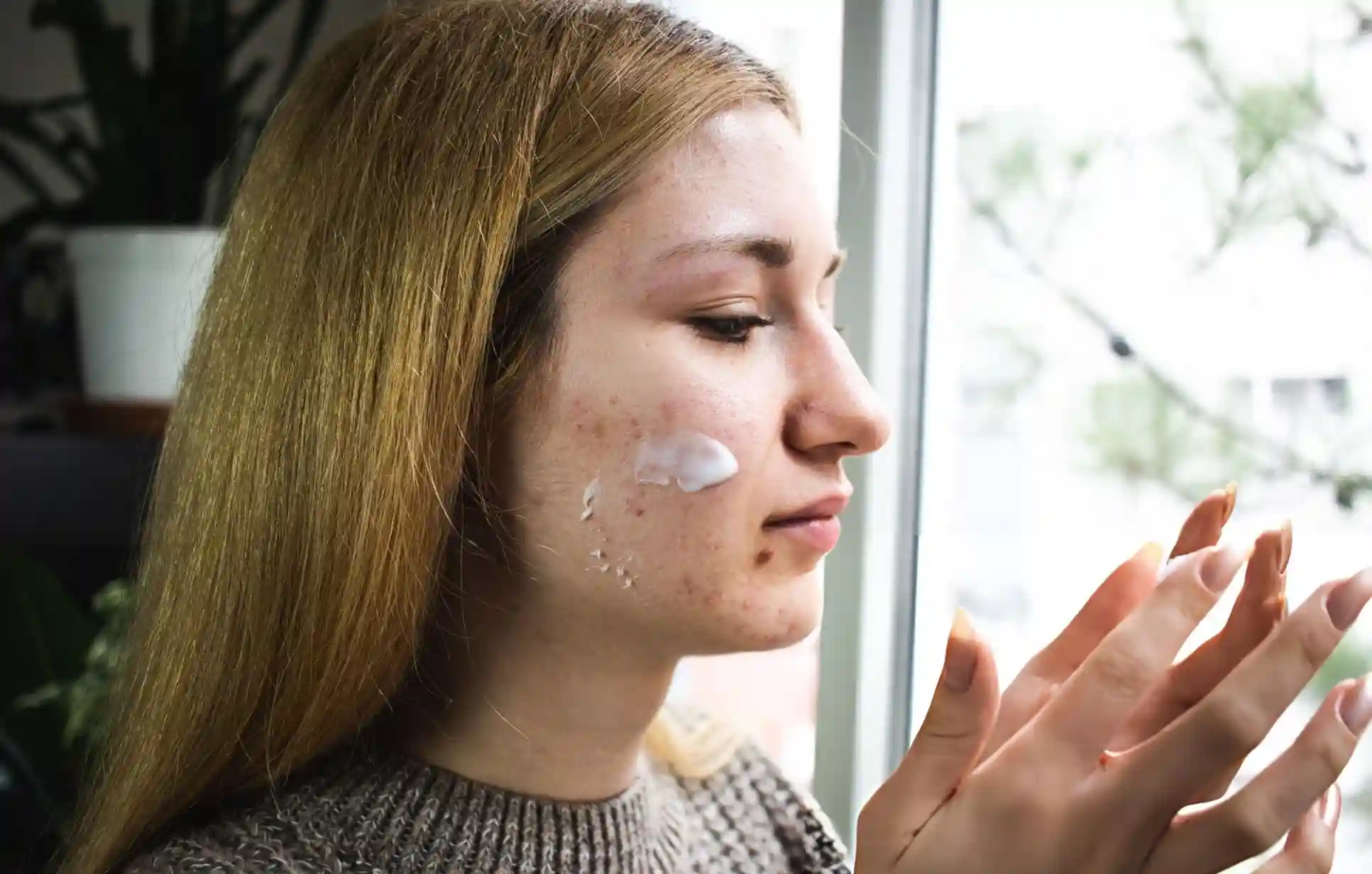
Persistent or recurring acne can be frustrating, particularly when pharmacy products have not helped enough. An online doctor may be able to assess some acne concerns through telehealth and discuss suitable next steps.
The doctor will consider the type and severity of the acne, previous treatments, medical history and relevant health risks. Prescription treatment may be discussed if clinically appropriate, but some people will need an in-person examination or a dermatologist referral.
Quick Answer
People searching for an acne prescription online should expect a clinical assessment first. Some acne concerns may be reviewed through telehealth, while severe, scarring or uncertain cases may need in-person care or a dermatologist referral. A prescription is not guaranteed.
Key Takeaways
- Some mild to moderate acne concerns may be assessed through telehealth.
- The doctor may use video or request clear photos to support the assessment.
- The assessment considers acne type, severity, previous treatment and medical history.
- The next step may include pharmacy advice, prescription treatment, monitoring, in-person care or referral.
- Some treatments require pregnancy precautions, blood tests or specialist oversight.
- Severe, painful, scarring or uncertain acne may require an in-person assessment.
- A consultation does not guarantee a prescription.
Can an Online Doctor Assess Acne in Australia?
Some acne concerns may be assessed by phone or video with an Australian-registered doctor. The doctor must decide whether the information available remotely is enough to assess the condition safely.
The outcome may include non-prescription advice, prescription treatment, continuation or review of existing care, follow-up, testing, an in-person appointment or a dermatologist referral. The broader online prescription process still requires a clinical assessment, and treatment is never guaranteed.
What Types of Acne May Be Suitable for Telehealth?
Telehealth suitability is assessed individually. It is not guaranteed for every case. Acne that may be considered for online assessment can include:
- Persistent blackheads or whiteheads that have not responded to pharmacy products
- Mild to moderate inflammatory breakouts on the face, chest, shoulders or back
- Recurring adult acne, including hormonal-pattern breakouts
- Review of an existing acne treatment plan
- A progress or side-effect review for a currently prescribed medicine
The doctor will decide whether telehealth provides enough information or whether a physical examination would be safer. Some acne concerns are better assessed in person, particularly when the diagnosis is uncertain or when closer examination is needed.
What Should You Prepare for an Online Acne Consultation?
Being prepared helps the doctor assess your situation more effectively. Before your appointment, gather information about:
- When the acne began, and where it appears
- Whether breakouts are painful, inflamed, itchy or leaving marks
- Previous pharmacy and prescription products you have tried
- How long each treatment was used,d and whether it helped
- Current medicines, supplements and known allergies
- Pregnancy or breastfeeding status
- Menstrual or hormonal patterns, if relevant
- Clear, recent photos of the affected areas, if requested
Only provide skin images through the secure method requested by the healthcare provider. Following an online prescription safety checklist can also help you verify the provider and prepare your information before booking.
What Will the Doctor Assess?
The doctor may assess whether the concern appears to be acne, its type and severity, affected areas, inflammation, scarring risk, previous treatment response, medicine interactions and pregnancy-related risks. They may also consider how the condition is affecting physical and mental well-being.
Rosacea or dermatitis can sometimes resemble acne. If the diagnosis is uncertain or the skin needs closer examination, the doctor may recommend in-person care before treatment is considered.
What Treatment Pathways May a Doctor Discuss?
Treatment depends on the type and severity of the acne, previous treatment response, medical history and individual risks. The doctor may discuss non-prescription care, prescription treatment applied to the skin, oral treatment, monitoring or referral.
Some options can cause dryness, irritation, sun sensitivity or other side effects, while others require pregnancy precautions or closer follow-up. The doctor will explain which approach may be suitable rather than prescribing automatically.
Why Do Some Acne Treatments Need Specialist Care?
Some treatments for severe acne require closer monitoring and may involve blood tests, pregnancy precautions, mental health review or specialist follow-up. They are not routine first-line options for an online consultation.
When acne is severe, painful, scarring or has not improved with appropriate treatment, the doctor may recommend an in-person assessment or a dermatologist referral before further treatment is considered.
What Happens After an Online Acne Assessment?
After assessing your acne, the doctor will explain the recommended next step, how any treatment should be used, and what side effects or precautions to watch for. If prescription treatment is appropriate, they will also explain how it will be provided.
Follow-up may be needed to review progress, side effects and whether the treatment plan should change. Acne treatment often needs consistent use for several weeks or months before its effect can be properly assessed.
Can Existing Acne Treatment Be Reviewed Online?
A current treatment may be reviewed through telehealth, but continuation or renewal is not automatic. The doctor may ask whether it has helped, how long it has been used, whether side effects have occurred and whether monitoring is up to date.
Some treatments require an in-person review or specialist follow-up before they can be continued.
What Happens If the Doctor Prescribes Acne Medicine?
If treatment is clinically appropriate, the doctor explains the recommended medicine and how it should be used. Relevant risks, side effects and precautions are discussed. An eScript may be sent by SMS or email. The token can be presented to a participating Australian pharmacy.
Follow-up may be arranged to assess treatment response and side effects. The treatment plan may be adjusted if needed.
Acne treatment usually does not work immediately. Many treatments need to be used consistently for weeks or months before the full effect can be assessed.
Can You Renew an Acne Prescription Online?
A repeat prescription may be considered after assessment, but renewal is not automatic. The doctor may ask whether the medicine has helped, how long it has been used, whether side effects have occurred, whether monitoring is up to date, and whether the diagnosis or treatment plan should be reviewed.
Some medicines may require in-person or specialist follow-up before a repeat is issued.
When Is In-Person Care or a Dermatologist Referral Better?
An in-person examination or referral may be recommended when:
- Acne is severe, painful or widespread
- Deep nodules or cysts are present
- Scarring is developing or worsening rapidly
- The diagnosis is uncertain, or a skin infection is suspected
- Treatment has not helped after an appropriate trial
- Significant side effects have occurred
- Blood tests or closer monitoring may be required
- Acne is causing substantial emotional distress
- A treatment requiring specialist oversight is being considered
What If the Doctor Does Not Issue a Prescription?
The doctor may instead recommend trying an appropriate non-prescription product, simplifying the skincare routine, booking an in-person GP appointment, arranging blood tests, referring to a dermatologist, or scheduling a follow-up after a set period.
A consultation fee covers the doctor’s assessment and advice. It does not guarantee an acne prescription. Understanding when an online prescription may not be appropriate can help you prepare for follow-up, testing or in-person care.
How TelehealthDr May Help With Acne Concerns
Telehealth Dr connects Australian patients with Australian-registered doctors through phone or video consultations. A doctor can review your symptoms, previous treatment and relevant medical history before advising whether telehealth is suitable.
The next step may include self-care advice, treatment discussion, follow-up, testing, in-person care or referral. Telehealth Dr is not an emergency service. If persistent or recurring acne has not improved, you can book an online consultation to discuss the most appropriate next step.
FAQs
Can an online doctor assess acne?
An online doctor may assess some acne concerns by phone or video. The doctor will review the acne, previous treatment and medical history before deciding whether telehealth provides enough information.
Can an online doctor prescribe acne medicine?
Prescription treatment may be discussed after a clinical assessment. Whether it is suitable depends on the acne type, severity, previous treatment, medical history and individual risks. A prescription is not guaranteed.
Will I need to send photos of my acne?
The doctor may request clear photos or use video if a visual assessment would help. Images should only be shared through the provider’s secure process.
Can teenagers have an online acne consultation?
Some teenagers may be assessed through telehealth. Age, symptoms, treatment suitability and whether parental involvement is needed will affect the consultation.
How long may acne treatment take to work?
Many acne treatments need several weeks or months before their effect can be properly assessed. Use treatment as directed and attend follow-up if requested.
When is in-person acne care more appropriate?
In-person care may be recommended for severe, painful, scarring, rapidly worsening or uncertain acne. A physical examination, closer monitoring or a dermatologist referral may also be needed.