
Which Vitamin Deficiency Causes Hair Loss? Signs, Causes & When to See a Telehealth GP
Noticing more hair in your brush or shower drain can feel unsettling. Hair loss affects how you feel about yourself and can make everyday routines stressful. While stress and hormones...
Reviewed by Dr. faisal khan (MBBS, FRACGP, FAMAC) - Consult Now
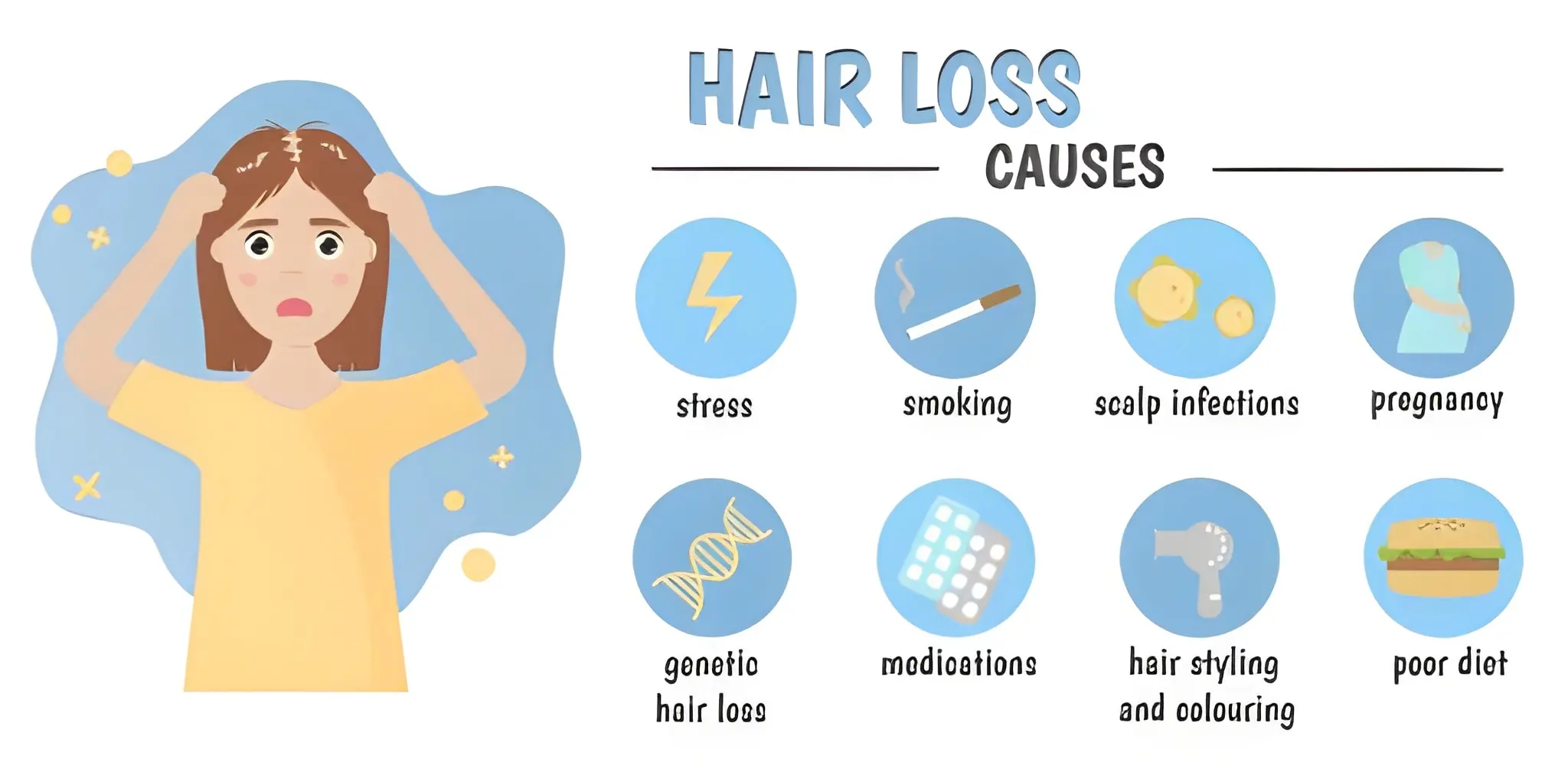
Noticing more hair in your brush or shower drain can feel unsettling. Hair loss affects how you feel about yourself and can make everyday routines stressful.
While stress and hormones often get the blame, many Australians don’t realise that vitamin deficiencies are one of the most common yet overlooked causes of hair loss. Your body needs proper nutrition to grow strong, healthy hair. When key vitamins and minerals run low, your hair may thin, shed more easily, or grow back slowly.
The good news is that hair loss from vitamin deficiency is usually reversible. A GP can help identify what your body is missing through simple blood tests and guide you towards safe, effective treatment.
If you’ve noticed hair thinning or shedding, speak to an Australian-registered GP through Telehealth Dr. Our doctors can assess your symptoms and arrange vitamin-level tests online.
Understanding Vitamin Deficiency and Hair Loss
Your hair grows in cycles. Each strand goes through a growth phase, a rest phase, and a shedding phase. This process depends heavily on the nutrients your body absorbs from food.
Hair follicles are some of the most active cells in your body. They need a steady supply of vitamins and minerals to produce keratin, the protein that makes up each strand. When your body lacks essential nutrients, hair follicles struggle to function properly. This can lead to hair loss, slower growth, or brittle texture.
Most people don’t connect their diet to hair health until the problem becomes noticeable. But even mild deficiencies can disrupt the hair growth cycle over time.
Why Vitamins Matter for Hair Growth
Vitamins play a role in cell renewal, blood circulation, and protein formation. Without them, your hair follicles can’t repair damage or create new strands efficiently.
Some of the most important nutrients for healthy hair include:
- Biotin (Vitamin B7): builds keratin and strengthens hair structure
- Vitamin D: helps create new hair follicles
- Vitamin B12: supports red blood cell production and oxygen flow to the scalp
- Iron: carries oxygen to hair roots through haemoglobin
- Zinc: supports cell repair and scalp oil balance
When levels of vitamins drop below normal, your hair may show symptoms long before other health issues appear.
Also Read : https://telehealthdr.com.au/is-instant-scripts-legit/
Key Vitamin and Mineral Deficiencies Linked to Hair Loss
Different deficiencies affect hair in different ways. Understanding which vitamin deficiency causes hair loss can help you and your GP identify the right treatment.
1. Biotin (Vitamin B7) Deficiency
Biotin is a B vitamin that helps your body break down fats and proteins. It’s essential for producing keratin, the building block of hair, skin, and nails.
Biotin deficiency is rare because most people get enough from their diet. However, certain medical conditions or long-term antibiotic use can lead to low levels.
Signs of biotin deficiency include:
- Brittle or thinning hair
- Weak or cracking nails
- Fatigue and muscle pain
If you suspect a biotin deficiency, speak with a GP before taking supplements. Too much biotin can affect blood test results and cause other health issues.
2. Vitamin D Deficiency
Vitamin D supports the immune system and helps create new hair follicles. Low vitamin D levels are common in Australia, especially during winter or in people who spend most of their time indoors.
When your body doesn’t have enough vitamin D, hair follicles may enter a resting phase earlier than normal. This leads to thinning hair and slow regrowth.
Signs of vitamin D deficiency include:
- Hair thinning across the scalp
- Patchy hair loss
- Slow or weak regrowth
Can too much vitamin D cause hair loss? Yes. Excess vitamin D can also trigger hair shedding. This is why it’s important to have your levels checked by a GP before starting supplements.
3. Vitamin B12 Deficiency
Vitamin B12 helps produce red blood cells, which carry oxygen to your scalp and hair follicles. Without enough oxygen, hair growth slows down and existing hair may shed more easily.
This deficiency is especially common in vegans, vegetarians, and older adults. It can also occur in people with digestive issues that prevent B12 absorption.
Signs of vitamin B12 deficiency include:
- Weakness and fatigue
- Tingling or numbness in the scalp
- Premature greying or hair thinning
Can B12 vitamins cause hair loss? No. It’s the deficiency that causes hair loss, not the supplement. Taking B12 under GP guidance can help restore healthy hair growth.
4. Iron Deficiency
Iron plays a role in producing haemoglobin, which carries oxygen through your blood. When iron levels drop, your hair follicles don’t get enough oxygen to function properly.
Iron deficiency is one of the most common causes of hair loss in females, especially in women with heavy periods, pregnancy, or low-iron diets.
Signs of iron deficiency include:
- Hair shedding or thinning
- Brittle, dry hair
- Fatigue and pale skin
- Cold hands and feet
If you’re a woman experiencing hair loss, your GP may check your iron levels as part of a blood test. Iron supplements can help, but they should only be taken under medical advice.
5. Zinc Deficiency
Zinc supports cell repair, immune function, and oil production in the scalp. It also helps your body absorb other nutrients that contribute to hair health.
Zinc deficiency is less common but can occur in people with digestive disorders, strict vegetarians, or those taking certain medications.
Signs of zinc deficiency include:
- Increased hair shedding
- Dry, flaky scalp
- Slow wound healing
Which vitamin deficiency causes hair loss and white hair? Both zinc and B12 deficiencies can contribute to premature greying. Zinc helps maintain hair pigment, while B12 supports healthy cell production.
6. Vitamin C Deficiency
Vitamin C helps your body absorb iron and produce collagen, a protein that strengthens hair strands. It also protects hair follicles from damage caused by free radicals.
Severe vitamin C deficiency is rare in Australia, but mild shortages can still affect hair health.
Signs of vitamin C deficiency include:
- Dull, fragile hair
- Dry, rough skin
- Slow healing of cuts or wounds
For best results, combine vitamin C-rich foods with iron sources. This boosts absorption and supports both hair growth and thickness.
7. Folic Acid (Vitamin B9) and Vitamin A
Folic acid helps your body produce new cells, including those in hair follicles. It’s especially important during pregnancy, when the body’s demand for folate increases.
Vitamin A supports oil glands in the scalp and keeps hair moisturised. However, too much vitamin A can trigger hair shedding, so balance is key.
What does vitamin D hair loss look like? Vitamin D-related hair loss often appears as overall thinning rather than patchy bald spots. It may happen gradually over months and can affect both men and women.
If you’re not sure which vitamin deficiency is causing your hair loss, a TelehealthDr GP can arrange blood tests, review your results, and create a safe treatment plan – all online.
Common Questions About Vitamin Deficiency and Hair Loss
Can Low Magnesium Cause Hair Loss?
Yes. Magnesium helps your body produce protein, which hair follicles need to grow. Low magnesium can weaken hair structure and lead to shedding.
What Is the Best Vitamin for Hair Loss in an Older Woman?
Vitamin D, B12, and iron are especially important for older women. Hormonal changes during menopause increase the risk of deficiencies, which can lead to hair thinning.
Which Hormone Causes Hair Loss in Females?
Oestrogen and thyroid hormones can affect hair growth. Low oestrogen levels during menopause or thyroid imbalances can trigger hair shedding. A TelehealthDr GP can order hormone tests if needed.
What Illness Makes You Lose All Your Hair?
Alopecia areata is an autoimmune condition that causes patchy or total hair loss. Medical conditions like thyroid disorders or lupus can also lead to significant hair loss. Deficiency-related hair loss is usually gradual and reversible with treatment.
Is Losing 300 Hairs a Day Normal?
The average person sheds around 100 hairs per day. Losing 300 hairs daily may indicate a problem such as stress, hormonal changes, or a vitamin deficiency. If this continues for more than a few weeks, speak with a GP.
What Are the Best Shampoos or Supplements for Hair Loss?
Shampoos and supplements can help, but only after identifying the deficiency. A TelehealthDr GP can recommend safe, effective options based on your blood test results.
Hair Loss Due to Vitamin Deficiency – Will It Grow Back?
Yes. Hair loss from a vitamin deficiency is usually reversible once your nutrient levels return to normal.
Recovery takes time. Most people notice improvement within two to three months of starting treatment. Consistency is important, and regular follow-up with your GP ensures you’re on the right track.
If hair doesn’t grow back after several months, your GP may investigate other causes such as hormonal imbalances or medical conditions.
How a Telehealth GP Can Help
Online Assessment and Blood Tests
A TelehealthDr GP can assess your symptoms during an online consultation and refer you for blood tests to check your vitamin and mineral levels.
Blood tests can reveal deficiencies in iron, vitamin D, B12, zinc, and more. Once results are available, your GP will explain what they mean and suggest a treatment plan tailored to your needs.
This process is convenient and can be done from home, no matter where you live in Australia.
Prescription and Ongoing Support
If blood tests confirm a deficiency, your GP can prescribe supplements or recommend dietary changes. Prescriptions are sent directly to your preferred chemist.
TelehealthDr also offers online prescription renewals, making it easy to stay on track with your treatment without repeat clinic visits.
When to Seek Professional Help
You should speak with a GP if:
- Hair shedding continues for more than three months
- You notice patchy or sudden hair loss
- Other symptoms, like fatigue, weakness, or scalp change, accompany hair loss
Early assessment helps prevent further hair loss and ensures any underlying medical conditions are identified.
Hair loss from vitamin deficiency is often reversible with the right care. Book an online consultation with Telehealth Dr today to get personalised GP guidance from home.
Prevention Tips – Keep Hair Healthy Naturally
Balanced Diet
Eating a variety of nutrient-rich foods supports healthy hair growth. Include iron-rich foods like lean meat, spinach, and lentils. Add B12 sources such as eggs, dairy, and fortified cereals.
Which drink stops hair fall? Protein shakes, green smoothies, and staying hydrated with water all support hair health. Proper hydration improves scalp circulation and nutrient delivery.
Manage Stress and Sleep
Stress can push hair follicles into a resting phase, leading to increased shedding. Regular sleep, exercise, and relaxation techniques help reduce stress-related hair loss.
How to tell if hair loss is stress-related? Stress-related hair loss often happens suddenly after a major life event and affects the entire scalp evenly. It usually improves once stress levels decrease.
Regular GP Follow-Up
Routine blood tests every six to twelve months help catch deficiencies early. TelehealthDr makes it easy to stay on top of your health with convenient online consultations and Medicare rebates where applicable.
If you’re worried about ongoing hair loss, TelehealthDr’s Australian GPs can help check vitamin levels, provide prescriptions, and support your recovery all online with Medicare rebates available.
FAQ’s:
Which vitamin deficiency causes hair loss in men?
Vitamin D, B12, iron, and zinc deficiencies can all cause hair loss in men. Male pattern baldness is usually genetic, but nutritional deficiencies can make thinning worse.
Which vitamin deficiency causes hair loss and white hair?
Vitamin B12 and zinc deficiencies are linked to both hair loss and premature greying. These nutrients help maintain hair pigment and support healthy cell production.
Can too much vitamin D cause hair loss?
Yes. Excess vitamin D can disrupt the hair growth cycle and lead to shedding. Always check your vitamin D levels with a GP before taking high-dose supplements.
Does hair grow back after fixing a vitamin deficiency?
Yes. Most people see hair regrowth within two to three months of correcting the deficiency. Consistent treatment and a balanced diet support recovery.
Which vitamins help hair grow thicker and stronger?
Biotin, vitamin D, B12, iron, zinc, and vitamin C all support hair growth and thickness. A balanced diet with these nutrients promotes healthy, strong hair.