
Natural Remedies for Hay Fever: Safe Remedies & When to See a Telehealth GP
If you wake up with a blocked nose, itchy eyes, and constant sneezing every spring, you’re not alone. Hay fever affects millions of Australians each year, especially during high-pollen months....
Written by TelehealthDr Editorial Team · Medically reviewed by Dr Faisal Khan (MBBS, FRACGP, FAMAC) · Consult Now
Last reviewed: 2 September 2026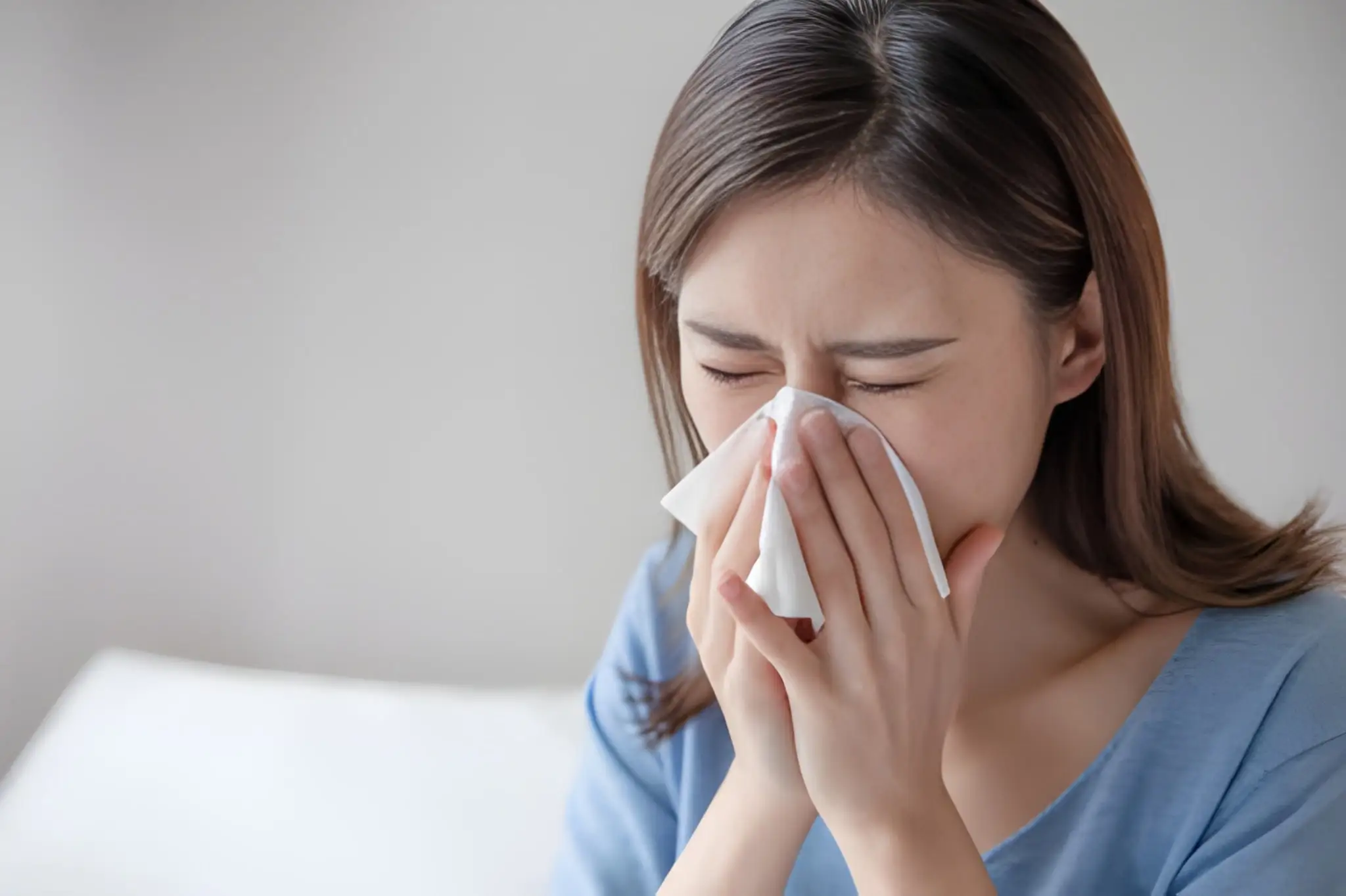
If you wake up with a blocked nose, itchy eyes, and constant sneezing every spring, you’re not alone. Hay fever affects millions of Australians each year, especially during high-pollen months. Many people prefer to start with natural remedies for hay fever before reaching for medication. The good news is that simple, safe steps can bring real relief and when symptoms don’t improve, help is just a click away.
Suppose your hay fever symptoms last longer than usual or disrupt your daily life. In that case, you can book an online Telehealth consultation with an Australian-registered GP and get medical advice from home.
What Is Hay Fever & Why Do People Search for Natural Remedies for Hay Fever
Hay fever, also known as allergic rhinitis, happens when your immune system overreacts to airborne allergens like pollen, dust mites, or pet dander. Your body releases histamine to fight these harmless particles, which causes the uncomfortable symptoms you experience.
Hay Fever Symptoms and Allergic Reactions
Common hay fever symptoms include:
- Runny or blocked nose
- Sneezing fits that won’t stop
- Itchy, watery eyes
- Scratchy throat or ears
- Fatigue and trouble concentrating
These allergic reactions can range from mild annoyance to severe discomfort that affects your work, sleep, and overall quality of life.
Common Australian Triggers Causing Hay Fever Symptoms
Australian hay fever sufferers face unique triggers depending on where they live:
- Spring pollen: Grass and tree pollen peak between September and November across NSW, Victoria, and Queensland.
- Dust mites: Common in humid coastal areas and poorly ventilated homes.
- Pet dander: Cat and dog hair can trigger year-round symptoms.
- Mould spores: Thrive in damp bathrooms, basements, and after heavy rain.
Knowing your triggers helps you manage symptoms before they start.
Why Natural Remedies for Hay Fever Are Becoming Popular
Many Australians prefer natural remedies for hay fever because they want to avoid the side effects of antihistamines, such as drowsiness or dry mouth. Natural options also support long-term immune health and reduce your exposure to allergens without relying solely on medication. These remedies work best when combined with smart lifestyle changes.
Also Read: Is Instant Scripts Legit?
Best Natural Remedies for Hay Fever You Can Try at Home
You don’t need a complicated routine to feel better. These natural remedies for hay fever are safe, effective, and easy to fit into your daily life.
Reduce Allergen Exposure to Prevent Hay Fever Flare-Ups
The simplest way to manage hay fever is to reduce your exposure to allergens:
- Keep windows closed on high-pollen days and use air conditioning instead.
- Shower and wash your hair before bed to remove pollen from your skin and hair.
- Dry your clothes indoors rather than outside, where pollen can stick to fabric.
- Use a vacuum cleaner with a HEPA filter to trap dust mites and pet dander.
- Consider an air purifier in your bedroom to filter allergens while you sleep.
Small changes like these can significantly reduce allergy symptoms without any medication.
Nasal Rinses and Saline Sprays as Natural Remedies for Hay Fever
Nasal irrigation is one of the most effective natural remedies for hay fever. A saline nasal rinse flushes out pollen, dust, and mucus from your nasal passages.
- Use a neti pot or saline spray twice daily during pollen season.
- Mix one teaspoon of salt with 500ml of boiled and cooled water.
- Rinse gently—this clears nasal congestion and reduces inflammation naturally.
Saline sprays are safe for daily use and work well for children and adults alike.
Gut-Health and Diet-Based Natural Remedies for Hay Fever
Your gut health plays a bigger role in allergies than you might think. A healthy gut supports your immune system and may reduce allergic reactions over time.
- Probiotics: Eat yoghurt, kefir, sauerkraut, or take a daily probiotic supplement to support gut bacteria.
- Quercetin-rich foods: Apples, onions, berries, and green tea contain quercetin, a natural antihistamine that may reduce inflammation.
- Omega-3 fatty acids: Salmon, walnuts, and flaxseeds help lower inflammation and support immune function.
- Local honey: Some people find that eating a teaspoon of local honey daily helps their body adapt to local pollen, though research is still limited.
A balanced diet rich in fresh vegetables, fruits, and whole grains strengthens your body’s natural defences.
Herbs and Supplements Used as Natural Remedies for Hay Fever
Certain herbs and supplements have shown promise in managing hay fever symptoms:
- Vitamin C: Acts as a natural antihistamine and may reduce sneezing and nasal congestion. Aim for 1,000mg daily during pollen season.
- Butterbur: May help reduce nasal inflammation, but choose a PA-free version to avoid liver damage.
- Stinging nettle: Known for its anti-inflammatory properties and available as tea or capsules.
- Eucalyptus oil: Inhale steam with a few drops of eucalyptus oil to open nasal passages and ease breathing.
Always check with your GP or chemist before starting new supplements, especially if you take other medications.
Lifestyle Changes That Support Natural Hay Fever Relief
Beyond remedies, simple lifestyle adjustments can help you stay symptom-free:
- Wear wraparound sunglasses outdoors to protect your eyes from pollen.
- Apply a small amount of petroleum jelly inside your nostrils to trap pollen before it enters your nose.
- Stay hydrated—drinking plenty of water thins mucus and keeps nasal passages moist.
- Avoid alcohol during high-pollen days, as it can worsen nasal congestion and inflammation.
These small habits make a big difference when practised consistently.
When Natural Remedies for Hay Fever Are Not Enough
Natural remedies work well for mild to moderate hay fever, but they don’t replace medical advice when symptoms persist or worsen. If you’ve tried multiple remedies and still struggle with constant sneezing, nasal congestion, or itchy eyes, it’s time to speak to a GP.
Natural remedies can provide great relief, but if your sneezing, congestion, or itchy eyes continue for more than a few days, it may be time to consult a GP. Telehealth Dr lets you speak to an Australian-registered doctor online — no clinic visit needed.

When to See a GP Online for Hay Fever Treatment
Sometimes, natural remedies alone aren’t enough to manage hay fever symptoms. Knowing when to seek professional help ensures you get the right treatment quickly.
Red Flag Symptoms That Need Professional Help
See a GP if you experience:
- Severe nasal congestion that doesn’t improve with saline rinses or decongestants
- Persistent headaches or facial pain could indicate a sinus infection
- Difficulty breathing or wheezing, which may signal asthma
- Symptoms that interfere with sleep, work, or daily activities for more than two weeks
- No improvement despite trying multiple natural remedies
These signs suggest your hay fever needs stronger treatment or further investigation.
How Telehealth GPs Help Manage Persistent Hay Fever
An online GP consultation offers fast, convenient access to medical care without leaving home. During your Telehealth appointment, your GP can:
- Review your symptoms and medical history
- Recommend prescription antihistamines, nasal sprays, or other medications where clinically appropriate
- Refer you to an allergist for allergy testing if needed
- Provide a Online Medical Certificate if hay fever symptoms affect your work or study
Telehealth appointments are especially helpful for busy professionals, parents, or people in rural areas with limited clinic access.
Benefits of Telehealth Consultations for Hay Fever Patients in Australia
Telehealth offers several advantages for managing hay fever:
- Convenience: Book appointments that fit your schedule, even outside business hours.
- No travel: Skip the waiting room and see a GP from your phone, tablet, or computer.
- Fast prescriptions: Get scripts sent directly to your local chemist via our online prescription service, where clinically appropriate after your GP assessment.
- Accessible care: Perfect for regional Australians in areas like the Hunter Region, Central Coast, or rural Victoria.
Telehealth makes it easier to stay on top of your symptoms without disrupting your routine.
What to Expect During an Online Consultation for Hay Fever
A Telehealth GP consultation is simple:
- Book your appointment online and choose a time that suits you.
- Join the video call from your device — no special software needed.
- Discuss your symptoms, triggers, and what remedies you’ve already tried.
- Receive a treatment plan, prescription, or referral if necessary.
Most consultations last 10-15 minutes, and you’ll have a clear plan for managing your hay fever symptoms.
Preventing Future Hay Fever Seasons Naturally
Prevention is always better than treatment. With a few smart habits, you can reduce the severity of hay fever symptoms in future seasons.
Track Pollen Forecasts and Plan Outdoor Activities Smartly
Check daily pollen counts on weather apps or websites before heading outside. On high-pollen days:
- Stay indoors during early morning and late afternoon when pollen levels peak.
- Avoid mowing the lawn or doing outdoor chores.
- Keep car windows closed while driving.
Planning around pollen forecasts helps you avoid unnecessary exposure.
Optimise Your Home Environment for Hay Fever Prevention
Make your home a low-allergen zone:
- Wash bedding weekly in hot water to kill dust mites.
- Remove heavy curtains and carpets that trap pollen and dust.
- Keep pets out of bedrooms if pet dander triggers your symptoms.
- Use exhaust fans in bathrooms and kitchens to reduce mould growth.
A clean, allergen-free home reduces symptoms year-round.
Schedule Regular GP Check-Ins and Allergy Reviews
Even if your symptoms improve, regular check-ins with your GP help you stay ahead of hay fever. Your doctor can adjust your treatment plan, recommend allergy testing, or suggest allergy shots for long-term relief.
If you prefer convenience, you can book regular Online Doctor Consultation appointments to monitor your progress without visiting a clinic.
FAQs
Do natural remedies for hay fever really work?
Yes, many natural remedies like saline rinses, quercetin-rich foods, and reducing allergen exposure can effectively reduce hay fever symptoms. However, results vary, and severe cases may need prescription treatment.
Can I use vitamin C for hay fever relief?
Vitamin C acts as a natural antihistamine and may help reduce sneezing and nasal congestion. Taking 1,000mg daily during pollen season is generally safe for most people.
How long does it take for natural remedies to work?
Some remedies, like nasal rinses, provide immediate relief. Others, like probiotics or dietary changes, may take several weeks to show results. Consistency is important.
Are natural remedies safe for children?
Most natural remedies like saline sprays, probiotics, and dietary changes are safe for children. Always consult your GP or chemist before giving supplements or herbs to kids.
When should I see a GP instead of relying on natural remedies?
If your symptoms persist for more than two weeks, interfere with sleep or daily life, or don’t improve with natural care, it’s time to consult a GP for professional treatment.
Conclusion
Natural remedies for hay fever offer safe, effective relief for many Australians struggling with seasonal allergies. Simple steps like reducing allergen exposure, using saline rinses, eating anti-inflammatory foods, and optimising your home environment can significantly improve your symptoms.
However, natural care works best when combined with professional support. If your hay fever symptoms persist despite your best efforts, don’t wait for relief.
If your hay fever persists despite natural care, speak to a Telehealth GP online. Fast, safe, and accessible across Australia, book your consultation today and get the treatment you need from home.
Need a Doctor Now? 24/7 Consultations at Your Fingertips

Dr Faisal Khan
Dr Khan is an AHPRA-registered Australian GP with 22+ years' clinical experience and Clinical Director of the Healthcare Evolutions GP clinic network across regional NSW. He reviews TelehealthDr's health content for clinical accuracy and alignment with current Australian guidelines. This article is general information and is not a substitute for personal medical advice. In an emergency, call 000.
About Dr Khan →